Post-Flight Analysis: How Artemis II Data is Shaping the Future of Deep Space Exploration
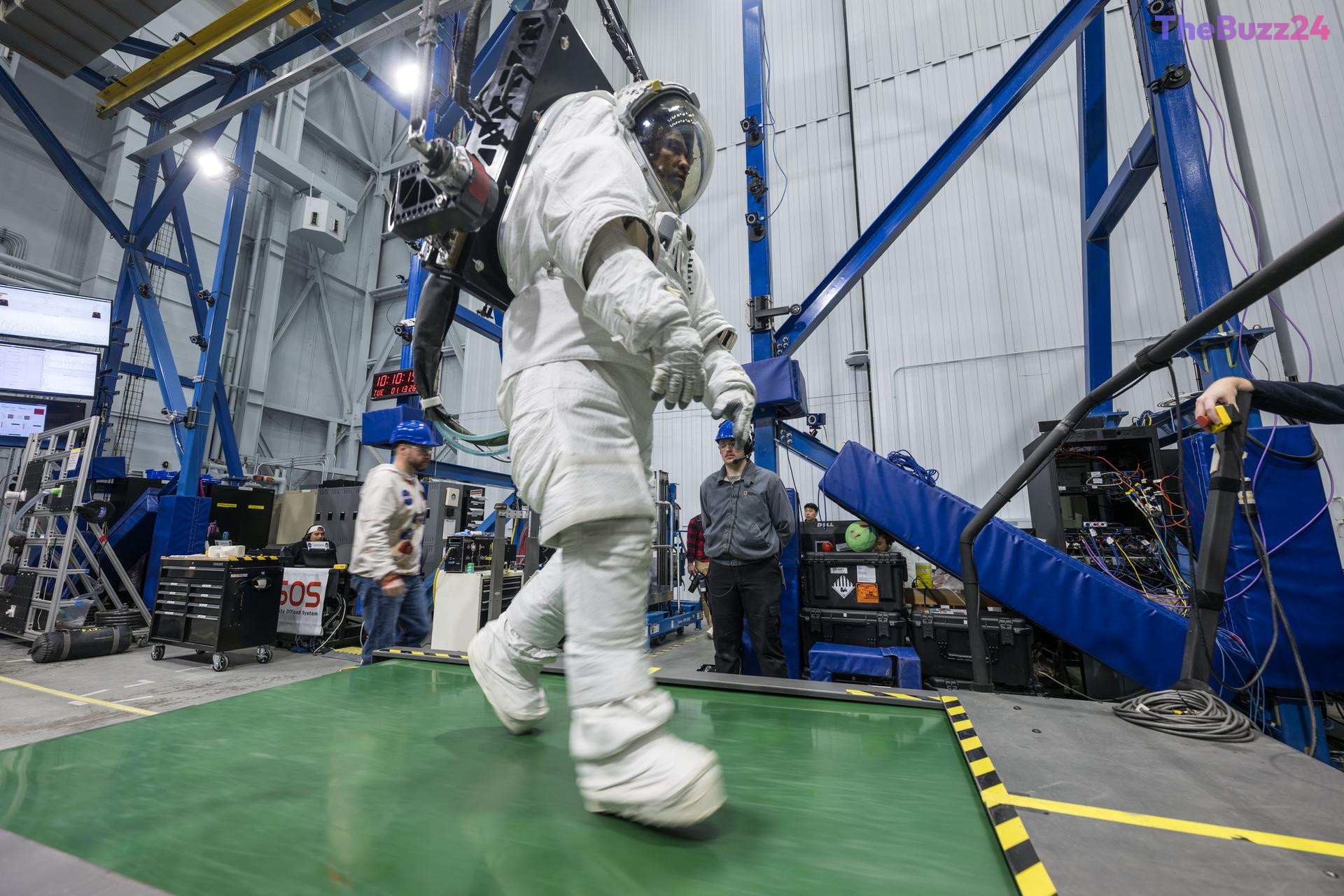
Following the successful conclusion of the Artemis II mission, researchers are deep into the process of analyzing a wealth of physiological and biological data collected from the crew. The mission, which saw astronauts orbit the Moon before splashing down in the Pacific, serves as a critical testbed for understanding how the human body transitions between microgravity and planetary gravity. By conducting rigorous health assessments immediately upon return, scientists are establishing a baseline for how quickly future explorers can perform mission-critical tasks upon landing on the Moon or Mars, where external support will be unavailable.
Beyond physical performance, the mission has provided unique insights into the biological impact of deep space travel. Through the AVATAR investigation, researchers are studying organ chips containing the astronauts’ own bone marrow cells to observe how radiation and microgravity affect human health at a molecular level. These findings are expected to pave the way for personalized medical kits, potentially allowing future crews to carry biological analogs that predict individual health responses to the rigors of spaceflight.
In addition to human health data, the mission has yielded a massive repository of lunar observations. During the Orion spacecraft’s closest approach to the Moon, the crew utilized specialized training to document geologic features, including impact craters and ancient lava flows. This data, which includes thousands of images and hours of audio recordings, is currently being processed for public release. These findings will not only inform the scientific community about the lunar surface’s composition but will also serve as a foundational guide for the operational planning of future long-term lunar base missions.
Key Takeaways
- Post-flight data collection is helping scientists determine how quickly astronauts can perform complex tasks after transitioning from microgravity to planetary gravity.
- The AVATAR study uses organ chips containing astronaut cells to analyze the molecular effects of deep space radiation and microgravity.
- A vast archive of lunar imagery and geologic observations is being prepared for public release to support future mission planning and lunar base development.
Editor’s Analysis & Impact
The Artemis II mission represents a pivotal shift from short-term orbital flight to the sustained exploration of deep space. By prioritizing the collection of longitudinal health data and molecular-level biological responses, the mission is effectively de-risking future human presence on the Moon and Mars. The integration of ‘organ-on-a-chip’ technology into space medicine is particularly significant; it suggests a future where personalized medicine is a prerequisite for long-duration missions. As NASA transitions from data collection to the establishment of a permanent lunar base, these findings will be instrumental in designing life-support systems and operational protocols. The broader implication is a move toward a more data-driven, personalized approach to astronaut health, which will be essential as mission durations extend and the distance from Earth-based medical support increases.
Frequently Asked Questions
Q: Why is it important to collect health data immediately after an astronaut returns to Earth?
A: Collecting data immediately after splashdown allows researchers to understand how the human body adapts from microgravity to Earth's gravity, which helps predict how crews will perform tasks upon landing on planets like Mars where no ground support is available.
Q: What are AVATAR organ chips?
A: AVATAR (A Virtual Astronaut Tissue Analog Response) organ chips contain actual cells from the astronauts, such as bone marrow, allowing scientists to study how deep space radiation and microgravity affect human health at a molecular level.
AI Disclosure: This article is based on verified data and official reports. Our Team and AI have cross-referenced every financial detail with primary sources to ensure total accuracy.
More from this Category