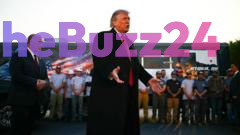
President Trump Takes Center Stage in America’s 250th Anniversary Celebrations
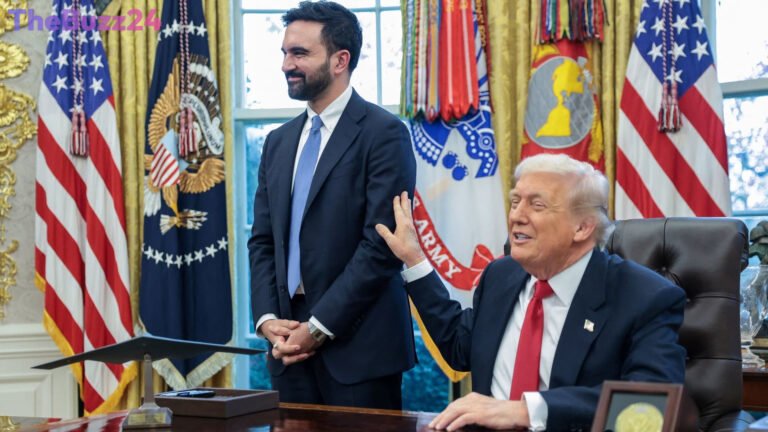
As the United States approaches its 250th anniversary, the national celebration has become a focal point for President Donald Trump, who is actively reshaping the festivities to align with his administration’s vision. Following reports that several musical acts declined to participate in official events, the President dismissed the need for traditional entertainment, stating a preference for surrounding himself with supporters who share his outlook. Plans are currently underway to transform the celebration into a series of high-profile events, including a 16-day ‘Great American State Fair’ on the National Mall and a variety of athletic spectacles, such as a UFC fight at the White House and a Grand Prix race in Washington, D.C.
This shift in focus has created a clear divide between the government-sanctioned ‘America 250’ commission—which emphasizes community-based art and block parties—and the privately funded ‘Freedom 250’ committee backed by the President. Beyond the event programming, the administration has launched an extensive beautification campaign across the capital. This includes the renovation of historic fountains, the gold-leafing of statues near Memorial Bridge, and proposed architectural additions like a 250-foot triumphal arch. These efforts reflect the President’s background in real estate development, with the administration prioritizing physical infrastructure improvements as part of the anniversary legacy.
The administration’s efforts have also extended to commemorative items, including the issuance of gold coins and proposals for a special $250 currency note featuring the President’s likeness. While supporters view these actions as a fitting tribute to a historic milestone, critics argue that the festivities are being used to promote a partisan agenda rather than a collective national history. As the Fourth of July approaches, the celebration has evolved into a contentious political battleground, highlighting the deep ideological divisions currently present in the country.
Key Takeaways
- President Trump is spearheading a series of high-profile, privately funded events to mark the U.S. 250th anniversary, distinct from the official 'America 250' commission.
- The administration has launched a massive beautification project in Washington, D.C., including infrastructure repairs and the gilding of public monuments.
- The celebration has become a source of partisan friction, with critics accusing the administration of prioritizing self-promotion over national unity.
Editor’s Analysis & Impact
The politicization of the United States’ 250th anniversary represents a significant departure from traditional non-partisan national commemorations. By intertwining the executive branch’s brand with the country’s historical milestone, the administration is effectively leveraging patriotic sentiment to solidify its political narrative. From a market perspective, the focus on large-scale infrastructure and event production in D.C. creates localized economic activity, though the long-term implications for national cohesion remain uncertain. The move to place the President’s likeness on currency and monuments suggests a strategy aimed at cementing a specific legacy within the American historical canon. As the nation remains polarized, these events will likely serve as a litmus test for how public institutions navigate the tension between historical reverence and contemporary political branding in the years to come.
Frequently Asked Questions
Q: What is the difference between 'America 250' and 'Freedom 250'?
A: America 250 is a congressionally established commission focused on community-based events and art, while Freedom 250 is a privately funded committee backed by the Trump administration that focuses on large-scale rallies, sports events, and infrastructure projects.
Q: Can the President put his face on a new $250 bill?
A: No. Placing a living president on U.S. currency would require specific authorization and approval from the United States Congress.
AI Disclosure: This article is based on verified data and official reports. Our Team and AI have cross-referenced every financial detail with primary sources to ensure total accuracy.
More from this Category