Progressive and Moderate Democrats Prepare for High-Stakes Midwestern Primary Battles in Wisconsin and Minnesota
Midwestern voters are heading to the polls as Democratic primary elections in Wisconsin and Minnesota highlight an ongoing ideological tug-of-war within the party. Following key national election setbacks, Democratic factions are split between embracing a populist progressive platform or maintaining a center-left approach to capture moderate voters in critical battleground states. These contests reflect broader national debates over healthcare reform, foreign policy, immigration, and economic strategy.
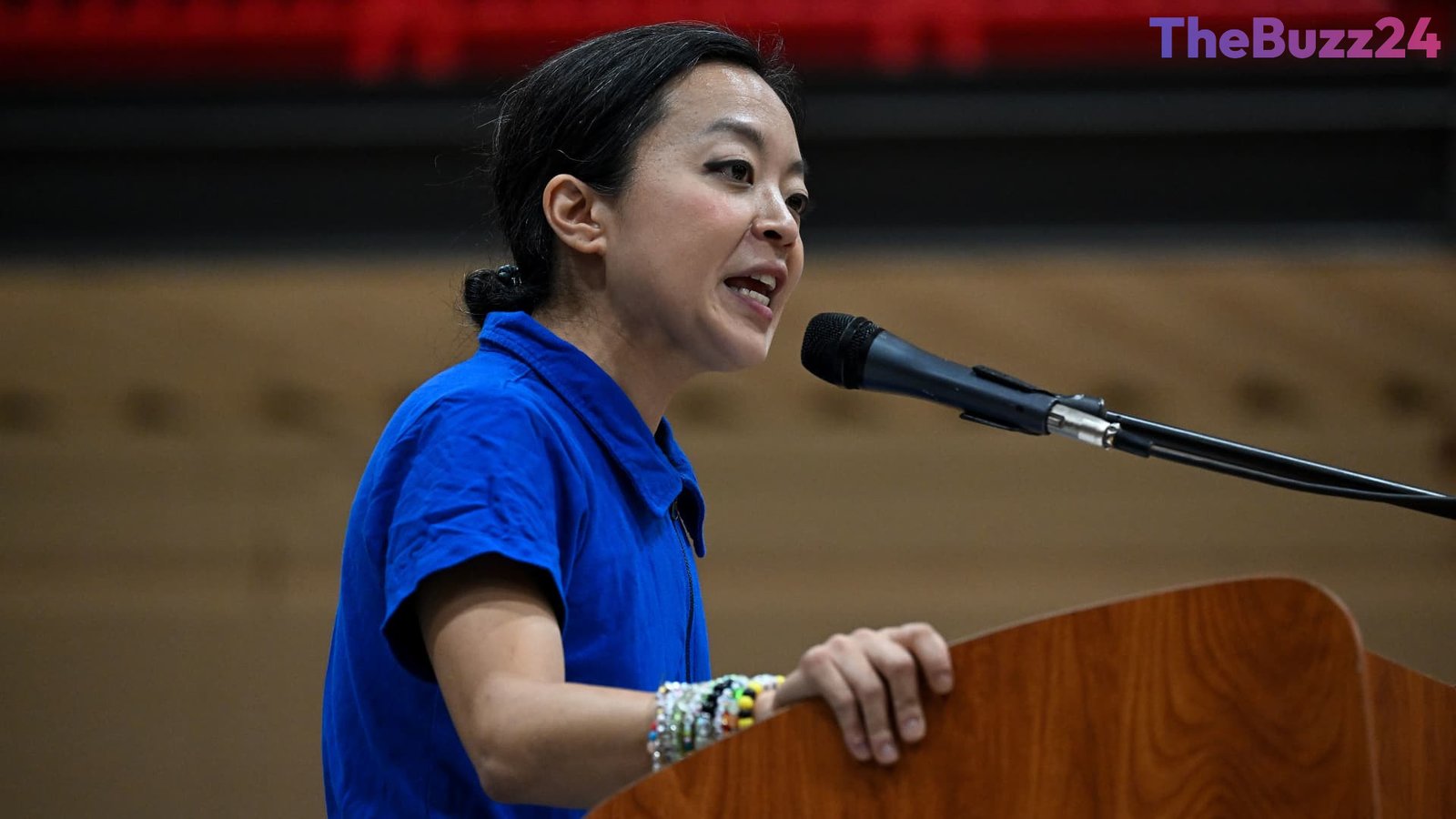
In Wisconsin’s Democratic gubernatorial primary, state representative Francesca Hong holds a solid lead in recent polling. Backed by progressive figures and local socialist chapters, Hong has proposed ambitious policies such as universal childcare, municipal grocery stores, a public banking system, and higher taxes on high earners. Her main opponent, Milwaukee County Executive David Crowley, re-entered the race with support from establishment party leadership, arguing that a moderate candidate is essential to securing victory against conservative contenders like Representative Tom Tiffany in the general election.
Meanwhile, Minnesota presents a competitive battle for the Democratic Senate nomination to succeed retiring Senator Tina Smith. Lieutenant Governor Peggy Flanagan is running on a progressive platform that includes Medicare for All, ending offensive arms transfers to Israel, and restructuring federal immigration enforcement. She faces Representative Angie Craig, a moderate congresswoman who emphasizes pragmatic healthcare legislation like a public option and highlights her track record of winning swing districts. The winner is anticipated to face Republican frontrunner Michele Tafoya in November.
Additionally, Minnesota’s gubernatorial landscape is taking shape, with Senator Amy Klobuchar poised to lead the Democratic ticket against a Republican field featuring notable figures such as business executive Mike Lindell and State Representative Lisa Demuth. The outcomes of these primary elections will serve as a crucial indicator of the Democratic Party’s direction and strategy heading into future general elections across the Rust Belt.
Key Takeaways
- Wisconsin's gubernatorial primary pits progressive front-runner Francesca Hong against moderate Milwaukee County Executive David Crowley.
- In Minnesota, Lieutenant Governor Peggy Flanagan and Representative Angie Craig compete for the Democratic Senate nomination in a contest highlighting deep party policy divides.
- The primary results in both Midwestern states will signal whether Democrats lean progressive or moderate in upcoming general election strategy.
Editor’s Analysis & Impact
The primary races in Minnesota and Wisconsin underscore a defining moment for the Democratic coalition in Midwestern battleground states. As populism continues to reshape voters’ priorities across the economic spectrum, the divide between progressive progress policies and moderate pragmatism presents strategic opportunities and risks. A surge in progressive victories could energize grass-roots volunteers and younger voters, yet it risks alienating suburban moderates essential for general election success in swing states. Conversely, moderate candidates offer broader appeal in purple districts but may struggle to inspire strong turnout among energized progressive bases. The results will offer pivotal insight into effective campaign messaging for future competitive rust-belt elections.
Frequently Asked Questions
Q: Who are the key candidates in Wisconsin's Democratic primary for governor?
A: The primary features progressive candidate Francesca Hong, who currently leads polls, against moderate David Crowley, the Milwaukee County Executive endorsed by outgoing party establishment leaders.
Q: What are the major ideological differences in the Minnesota Senate primary?
A: Lieutenant Governor Peggy Flanagan advocates for progressive positions such as Medicare for All and shifting immigration policies, while Representative Angie Craig champions moderate, pragmatic reform aimed at winning broad support in swing districts.
Q: Who is expected to run in Minnesota's gubernatorial election?
A: Senator Amy Klobuchar is highly favored to secure the Democratic nomination for governor, likely facing a Republican primary winner from a field that includes business executive Mike Lindell and State Representative Lisa Demuth.
AI Disclosure: This article is based on verified data and official reports. Our Team and AI have cross-referenced every financial detail with primary sources to ensure total accuracy.
More from this Category