Vladimir Putin Signals Potential End to Ukraine Conflict Amid Diplomatic Shifts
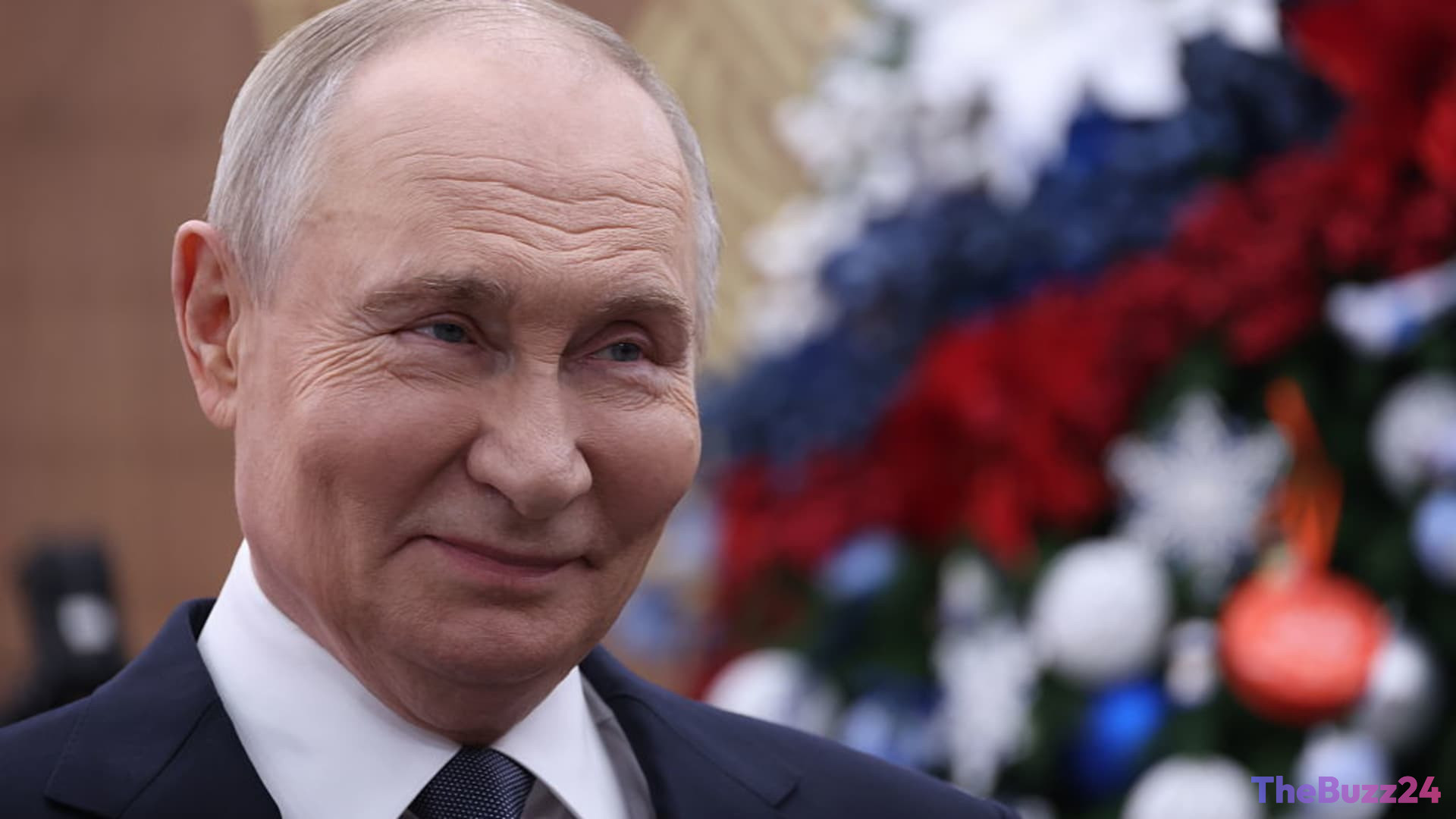
Russian President Vladimir Putin recently suggested that the protracted conflict in Ukraine may be nearing a conclusion. Speaking from the Kremlin, Putin expressed a willingness to engage in fresh security negotiations regarding Europe, specifically identifying former German Chancellor Gerhard Schröder as his preferred intermediary for such discussions. These remarks follow a period of intense military activity and a recent three-day ceasefire observed by both Russian and Ukrainian forces.
The conflict, which has persisted for over four years, remains the most significant military engagement in Europe since World War II. While Moscow continues to maintain control over approximately one-fifth of Ukrainian territory, recent military progress has slowed, and the human and economic toll on both nations has been substantial. The Kremlin has consistently framed the “special military operation” as a necessary response to Western expansionism, specifically citing NATO’s eastward movement as a primary driver of the crisis.
Despite the rhetoric, the current atmosphere shows signs of a potential diplomatic opening. A temporary ceasefire, supported by both Kyiv and Moscow, has been implemented, and there have been reports of prisoner exchanges involving 1,000 individuals. While European leaders remain skeptical, labeling the Russian leadership as aggressors, the prospect of future security architecture discussions has been raised by various international figures, signaling a possible, albeit fragile, shift toward de-escalation.
Key Takeaways
- President Vladimir Putin has publicly suggested that the conflict in Ukraine is approaching an end.
- A three-day ceasefire has been observed by both Russian and Ukrainian forces, accompanied by a significant prisoner exchange.
- Putin indicated a preference for former German Chancellor Gerhard Schröder to act as a primary negotiator for future European security arrangements.
Editor’s Analysis & Impact
The shift in rhetoric from the Kremlin suggests that the physical and economic exhaustion of the conflict is beginning to outweigh the strategic benefits of continued escalation. Russia’s economy, valued at $3 trillion, has faced immense pressure, and the military stalemate in the Donbas region indicates that a total victory is increasingly unlikely. From a market perspective, any movement toward a lasting peace deal would likely trigger a significant recalibration in global energy markets and commodity prices, which have been volatile since the invasion began. However, the deep-seated distrust between Moscow and Western powers remains a major hurdle. The future outlook hinges on whether the current ceasefire can be extended into a formal diplomatic framework, or if this is merely a tactical pause in a long-term war of attrition.
Frequently Asked Questions
Q: Who did Vladimir Putin name as his preferred negotiator for European security?
A: Vladimir Putin identified former German Chancellor Gerhard Schröder as his preferred partner for negotiating new security arrangements for Europe.
Q: What is the current status of the conflict between Russia and Ukraine?
A: The conflict is currently in a state of relative pause following a three-day ceasefire, with both sides engaging in a prisoner exchange involving 1,000 individuals.
AI Disclosure: This article is based on verified data and official reports. Our Team and AI have cross-referenced every financial detail with primary sources to ensure total accuracy.
More from this Category