Washington and Beijing Forge New Path with ‘Commercial Détente’ at High-Stakes Summit
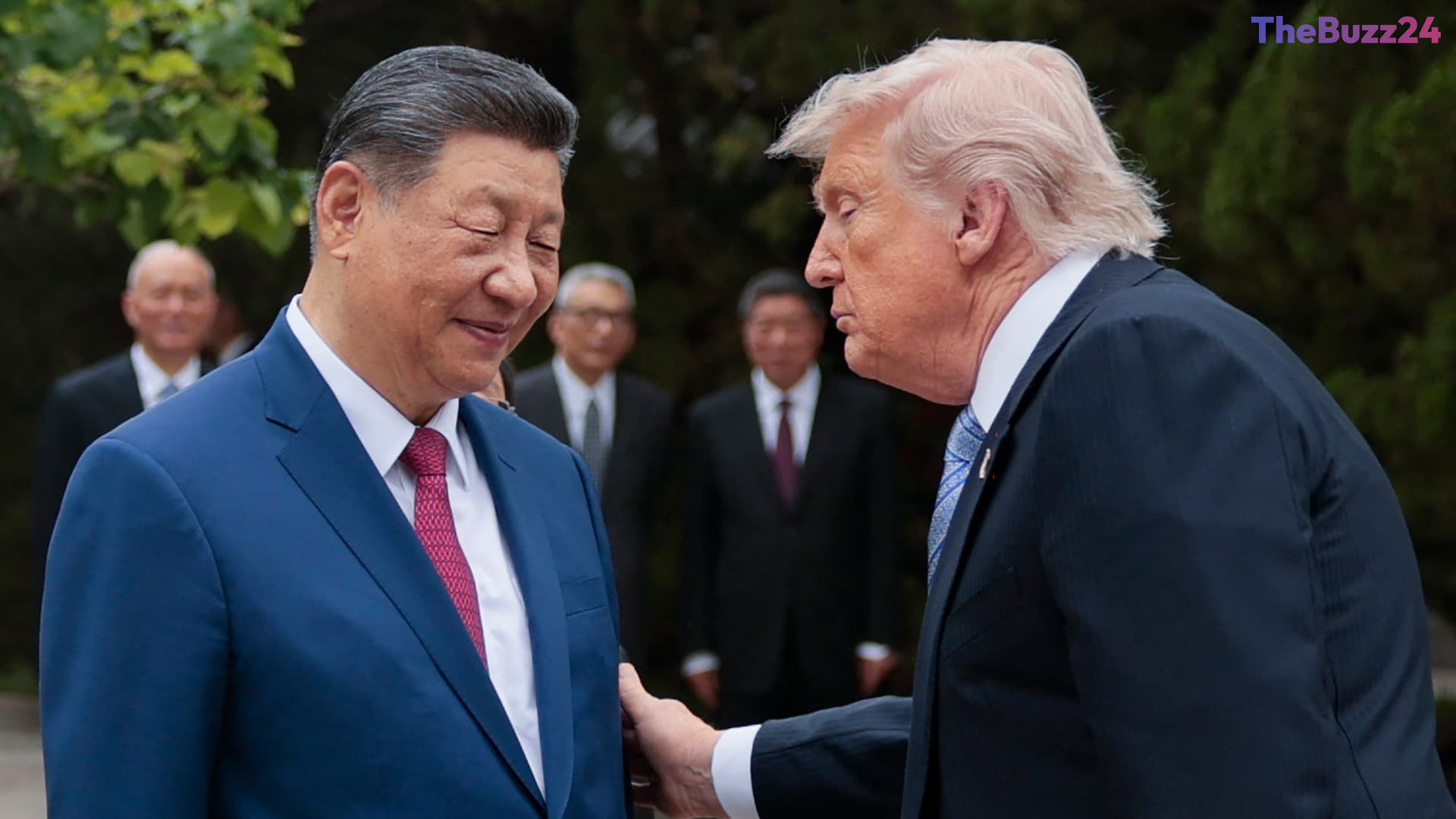
A landmark diplomatic meeting in Beijing between U.S. President Donald Trump and Chinese President Xi Jinping has established a fresh framework dubbed “constructive strategic stability.” This development marks a notable transition away from the aggressive, unilateral trade confrontations that have defined relations between the two global superpowers in recent years. By steering toward a model of commercial détente, both governments are actively seeking to minimize market volatility and foster a more predictable environment for international commerce.
The high-profile summit featured several significant diplomatic breakthroughs, including the participation of U.S. Secretary of State Marco Rubio. Rubio’s inclusion, which required navigating previous travel restrictions, highlights a mutual desire to keep communication channels open on critical global issues like immigration control and narcotics enforcement. On the sensitive topic of Taiwan, President Trump advocated for easing regional military tensions, while President Xi reiterated Beijing’s firm stance on the island’s strategic significance to China.
Despite the diplomatic progress, technological rivalry remains the most contentious issue. The presence of prominent American tech leaders, such as Tesla’s Elon Musk and Nvidia’s Jensen Huang, emphasized Washington’s focus on maintaining its lead in global innovation. Meanwhile, Beijing continues to push heavily for technological self-reliance, particularly through the domestic development of artificial intelligence chips. While the summit has successfully cooled immediate trade hostilities, the race for technological supremacy is set to remain a defining challenge for the global economy.
Key Takeaways
- The U.S. and China have established a 'constructive strategic stability' framework to ease trade tensions and stabilize global markets.
- High-level diplomatic channels have been reopened, highlighted by the inclusion of Secretary of State Marco Rubio in the U.S. delegation.
- Technological competition, particularly in AI and semiconductor manufacturing, remains the primary source of long-term friction between the two nations.
Editor’s Analysis & Impact
The Beijing summit signals a tactical pause rather than a permanent resolution to the deep-seated economic rivalry between the United States and China. By embracing a ‘commercial détente,’ both administrations are attempting to shield their domestic economies from the disruptive shocks of an all-out trade war, which has severely strained global supply chains. The prominent involvement of corporate leaders like Elon Musk and Jensen Huang underscores how deeply intertwined national security, technology, and private enterprise have become. However, China’s unwavering commitment to domestic semiconductor independence indicates that long-term technological decoupling remains a core objective for Beijing. Consequently, while global markets may enjoy a period of short-term stability, businesses should prepare for ongoing volatility as the underlying race for technological dominance continues to play out.
Frequently Asked Questions
Q: What does the 'constructive strategic stability' framework aim to achieve?
A: The framework is designed to transition U.S.-China relations away from unpredictable, unilateral trade actions toward a more stable and predictable diplomatic and commercial environment.
Q: Why is technology still a major point of contention despite the successful summit?
A: While diplomatic relations have warmed, both nations view technological leadership as vital to national security. The U.S. is striving to maintain its innovative edge, while China is aggressively pursuing self-reliance in critical sectors like AI chip manufacturing.
AI Disclosure: This article is based on verified data and official reports. Our Team and AI have cross-referenced every financial detail with primary sources to ensure total accuracy.
More from this Category