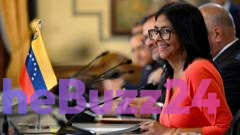
Uncertainty Looms Over Venezuela’s Political Prisoner Amnesty Program
The future of Venezuela’s political prisoner release program has been cast into doubt following signals from interim President Delcy Rodríguez that the initiative may conclude after only nine weeks. While the government maintains that the amnesty law has successfully processed thousands of individuals, human rights organizations are raising significant concerns regarding the abrupt nature of the program’s potential closure. Data provided by the monitoring group Foro Penal indicates that while 473 political prisoners have regained their freedom, a substantial number of detainees remain incarcerated.
Originally championed by the National Assembly, the amnesty legislation was designed to dismantle the repressive apparatus inherited from the Nicolás Maduro administration. However, the executive branch’s move to terminate the program has drawn sharp criticism from legal experts and activists. Critics argue that because the law lacks a specified expiration date, the administration’s attempt to end it unilaterally is unconstitutional and bypasses necessary legislative oversight or public referendum processes.
This shift in policy arrives as the interim government attempts to navigate a delicate balance between domestic stability and international diplomacy. Although the United States has previously eased sanctions in response to perceived democratic progress, the exclusion of key opposition figures such as María Corina Machado has complicated the narrative. Observers warn that prioritizing short-term political stability over comprehensive democratic reform may jeopardize the long-term goal of establishing free and fair elections in the country.
Key Takeaways
- The Venezuelan interim government is signaling an early end to its political prisoner amnesty program after just nine weeks.
- Legal experts argue that the executive branch lacks the authority to unilaterally terminate the amnesty law without legislative or referendum action.
- Despite the release of 473 prisoners, hundreds remain detained, sparking concerns about the government's commitment to genuine democratic reform.
Editor’s Analysis & Impact
The potential premature termination of Venezuela’s amnesty program highlights the fragility of the nation’s current political transition. By attempting to curtail the program, the interim administration risks alienating both domestic opposition groups and international stakeholders who view the release of political prisoners as a litmus test for democratic legitimacy. This move suggests a strategic pivot toward consolidating executive power, which could lead to renewed friction with the United States and other global partners who have tied sanctions relief to human rights improvements. If the government continues to sideline prominent opposition figures while restricting the scope of amnesty, it may face increased diplomatic isolation and internal unrest. The long-term outlook remains precarious, as the failure to institutionalize these reforms could signal a return to the authoritarian patterns of the past, ultimately undermining the credibility of the current leadership.
Frequently Asked Questions
Q: Why are human rights groups concerned about the amnesty program?
A: Groups are concerned because the government is attempting to end the program abruptly and unilaterally, despite hundreds of political prisoners still remaining in custody.
Q: Does the Venezuelan executive branch have the legal authority to end the amnesty law?
A: Legal experts argue that because the law lacks a formal expiration date, it cannot be ended by the executive branch alone and would require further legislative action or a national referendum.
AI Disclosure: This article is based on verified data and official reports. Our Team and AI have cross-referenced every financial detail with primary sources to ensure total accuracy.
More from this Category