Robinhood Launches AI-Driven Autonomous Trading and Virtual Payment Tools
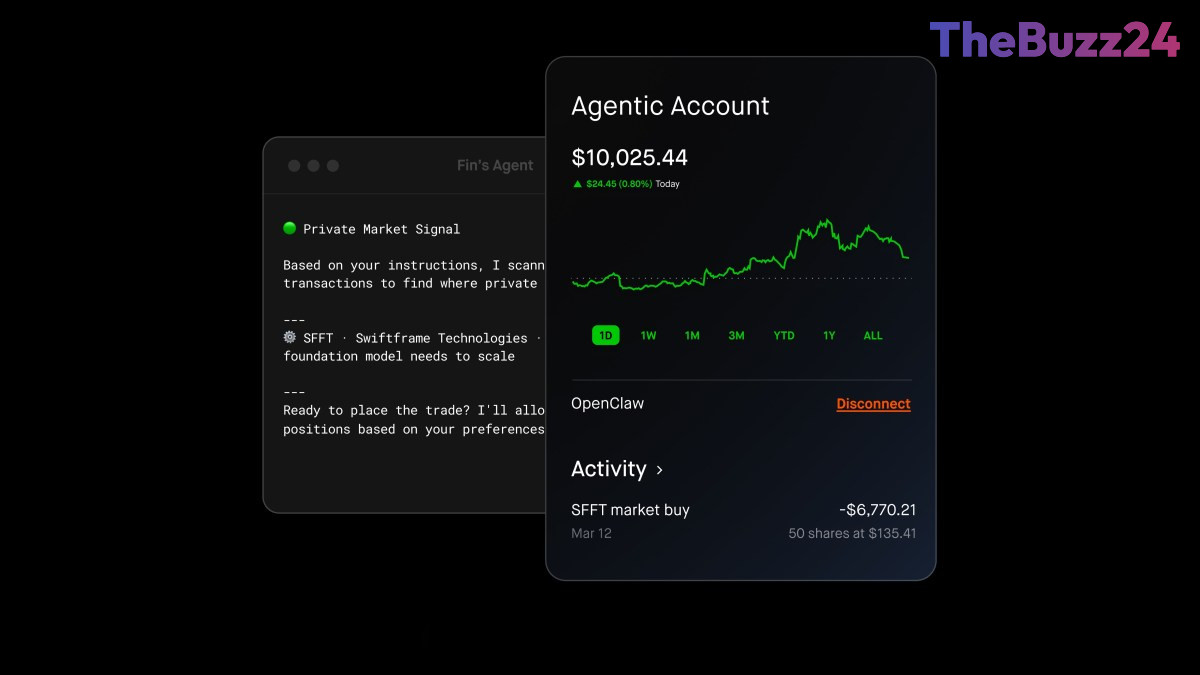
Robinhood is officially stepping into the realm of autonomous finance with the introduction of AI-powered trading agents and specialized virtual credit cards. This new functionality allows users to establish dedicated accounts for AI agents, which can be linked to specific wallets. These agents are engineered to parse portfolio data, pinpoint investment opportunities, and execute trades using pre-allocated funds, ensuring that the AI’s activities remain strictly separated from a user’s primary capital.
To ensure safety and user oversight, the platform has integrated a real-time notification system that allows investors to track agent activity as it happens. While some transactions may proceed autonomously, others are flagged for manual approval, and robust fraud detection protocols are in place to monitor for suspicious behavior. By leveraging the Model Context Protocol (MCP), these agents are capable of performing sophisticated analysis, including evaluating sector exposure and synthesizing complex analyst reports. The feature is currently in a beta phase, restricted to stock trading, with plans to incorporate options, cryptocurrency, and futures in the coming months.
Beyond trading, Robinhood is introducing a virtual credit card tailored for AI agents, currently accessible to Gold Card members. This feature enables agents to handle payments while providing users with granular control through adjustable monthly spending limits and customizable approval workflows. This strategic rollout follows the company’s recent acquisition of the research platform Pluto and underscores a broader industry trend of integrating autonomous AI agents into consumer banking and investment ecosystems.
Key Takeaways
- Robinhood has introduced AI trading agents that can analyze data and execute trades within isolated, user-defined accounts.
- The platform includes security features like real-time notifications, fraud detection, and manual approval requirements for specific transactions.
- A new virtual credit card for AI agents is available to Gold Card members, offering customizable spending limits and payment control.
Editor’s Analysis & Impact
Robinhood’s move into autonomous AI trading represents a significant shift in retail investing, moving from passive tools to active, agentic participation. By isolating AI-driven capital from primary portfolios, the company is addressing critical risk management concerns that have previously hindered the adoption of automated trading among non-institutional investors. The integration of the Model Context Protocol suggests a commitment to interoperability, which could set a standard for how financial platforms interact with external data sources. As AI agents become more capable of executing complex financial tasks, the industry will likely see a surge in demand for ‘guardrail’ technologies that balance autonomy with regulatory compliance. This development positions Robinhood as a frontrunner in the ‘agentic finance’ space, potentially forcing competitors to accelerate their own AI roadmaps to retain market share among tech-savvy investors.
Frequently Asked Questions
Q: Can the AI agents access my entire Robinhood portfolio?
A: No, the AI agents operate within dedicated accounts linked to specific wallets, ensuring that their trading activity and capital are isolated from your primary investment portfolio.
Q: What assets can the AI agents currently trade?
A: During the current beta phase, the AI agents are limited to stock trading, though the company plans to expand support to options, cryptocurrency, and futures in the near future.
AI Disclosure: This article is based on verified data and official reports. Our Team and AI have cross-referenced every financial detail with primary sources to ensure total accuracy.
More from this Category