San Francisco Burglary Highlights Privacy Limitations of Robotaxi Surveillance
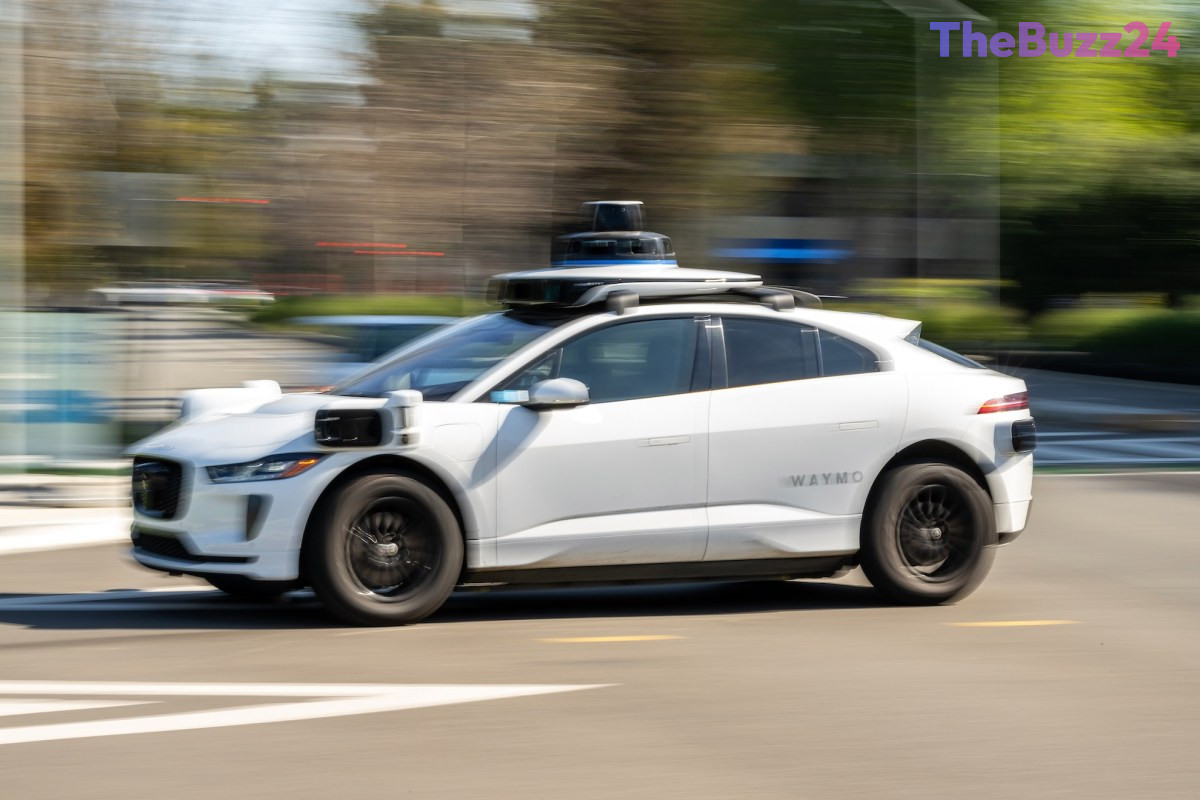
A peculiar burglary case in San Francisco has raised questions regarding the utility of autonomous vehicle surveillance after a suspect successfully used a Waymo robotaxi to facilitate a theft. The incident, which occurred this past January, involved an individual who utilized the ride-hailing service to travel to a local yoga studio, commit a theft of apparel, and subsequently flee the scene in the same vehicle.
Despite the perception that autonomous vehicles function as mobile surveillance platforms, law enforcement officials have struggled to utilize the data captured by the fleet. When police eventually obtained a search warrant in April, they discovered that relevant footage had already been purged from the company’s systems. Furthermore, investigators found that any exterior camera footage that might have captured the suspect had been automatically blurred by the vehicle’s software to protect the privacy of bystanders.
Even the account information provided by the service proved insufficient for identifying the perpetrator. While the business targeted in the theft captured the suspect on its own security cameras, the digital trail left behind by the Waymo ride failed to yield a viable lead. This case highlights a significant gap between the public expectation of high-tech surveillance and the reality of data retention policies and privacy-focused software design in the autonomous vehicle industry.
Key Takeaways
- A suspect used a Waymo vehicle to commit a theft at a San Francisco yoga studio, successfully evading capture.
- Law enforcement was unable to use vehicle footage because it had been deleted by the time a search warrant was served.
- Privacy-focused software automatically blurs exterior footage, limiting the ability of police to identify suspects via robotaxi cameras.
Editor’s Analysis & Impact
This incident serves as a critical case study in the tension between corporate privacy protections and public safety. As autonomous vehicle fleets expand, the industry faces a paradox: while these vehicles are equipped with sophisticated sensor arrays, their operational mandates prioritize user and bystander privacy through aggressive data purging and automated blurring. For law enforcement, this creates a ‘black hole’ of potential evidence that is often inaccessible by the time a crime is reported and processed through the legal system. Moving forward, we can expect increased legislative pressure to standardize data retention periods for autonomous fleets. However, companies will likely resist these mandates to maintain consumer trust and avoid becoming de facto extensions of the police state, setting the stage for a prolonged legal and ethical debate over the role of private AI-driven infrastructure in criminal investigations.
Frequently Asked Questions
Q: Why couldn't the police use the Waymo footage to identify the burglar?
A: The police were unable to use the footage because it had been deleted by the time the search warrant was filed, and any remaining exterior footage was automatically blurred by the vehicle's software for privacy reasons.
Q: Did the Waymo account information help the police find the suspect?
A: No, the account information provided by the company to law enforcement did not lead to the identification or apprehension of the suspect.
AI Disclosure: This article is based on verified data and official reports. Our Team and AI have cross-referenced every financial detail with primary sources to ensure total accuracy.
More from this Category