Microsoft CEO Satya Nadella Vows to ‘Exploit’ Royalty-Free OpenAI Tech Through 2032
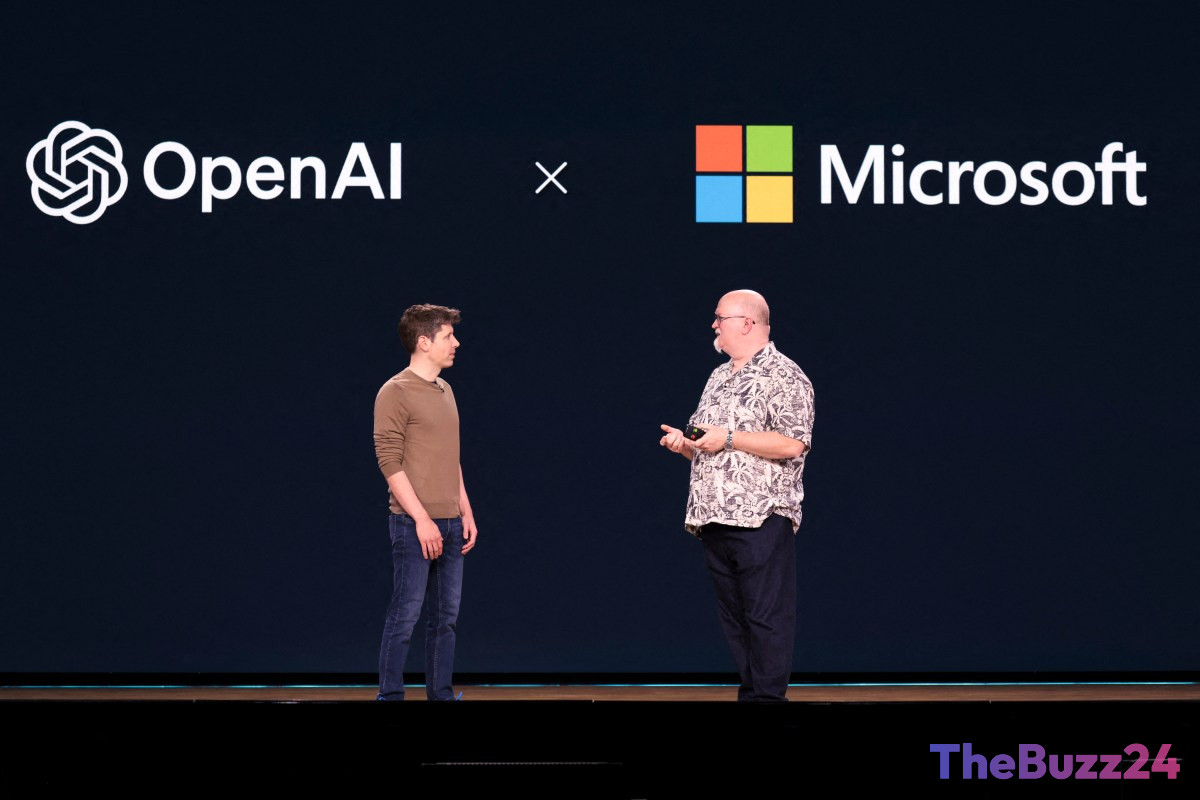
Microsoft Chief Executive Officer Satya Nadella has strongly defended the tech giant’s restructured partnership with OpenAI, describing the new terms as highly favorable for both entities. Addressing questions regarding the financial implications of the revised deal, Nadella emphasized that Microsoft has secured royalty-free access to OpenAI’s most advanced intellectual property, including its frontier models and agent products, through the year 2032. This arrangement allows Microsoft to leverage cutting-edge artificial intelligence capabilities without ongoing licensing payments to the startup.
The clarification comes amid market speculation that Microsoft might lose its competitive advantage after relinquishing its exclusive rights to OpenAI’s technology. This shift was highlighted by OpenAI’s recent high-profile collaboration with Amazon’s cloud division, AWS. However, Nadella dismissed these concerns, pointing to Microsoft’s robust financial performance. The company’s AI division recently surpassed an annual revenue run rate of $37 billion, representing a massive 123% increase year-over-year, demonstrating that its AI momentum remains incredibly strong.
Beyond direct technology access, Nadella outlined the broader economic benefits of the relationship. OpenAI remains a major customer for Microsoft’s cloud infrastructure, with a commitment to spend more than $250 billion on Microsoft’s compute and AI accelerator services. Additionally, Microsoft maintains a significant 27% equity stake in the AI startup, ensuring it directly benefits from OpenAI’s commercial growth and valuation increases.
Nadella also noted that the enterprise AI market is shifting toward multi-model adoption, reducing reliance on any single provider. Microsoft has positioned itself as a comprehensive hub, offering models from OpenAI, Anthropic, and various open-source developers. According to Nadella, more than 10,000 corporate clients are currently utilizing multiple AI models through Microsoft’s platform, proving that a diversified approach is becoming the industry standard.
Key Takeaways
- Microsoft secured royalty-free access to OpenAI's intellectual property and frontier models through 2032.
- Despite losing exclusivity, Microsoft's AI business achieved a $37 billion annual revenue run rate, up 123% year-over-year.
- OpenAI is committed to spending over $250 billion on Microsoft's cloud services, while Microsoft retains a 27% equity stake in the startup.
Editor’s Analysis & Impact
The restructuring of the Microsoft-OpenAI partnership represents a strategic evolution rather than a setback for the Redmond-based software giant. By trading exclusivity for long-term, royalty-free access to OpenAI’s frontier models until 2032, Microsoft has effectively de-risked its AI pipeline while eliminating substantial licensing costs. While OpenAI’s new alliance with Amazon Web Services (AWS) introduces stiffer competition in the cloud space, Microsoft’s massive $37 billion AI run rate and its 27% equity stake in OpenAI provide a formidable financial cushion. Furthermore, Nadella’s emphasis on a multi-model ecosystem reflects a mature understanding of enterprise needs. By hosting diverse models from Anthropic to open-source alternatives, Microsoft ensures it remains the primary gateway for enterprise AI, regardless of which specific model dominates the market in the future.
Frequently Asked Questions
Q: How does the revised agreement affect Microsoft's access to OpenAI's technology?
A: Microsoft retains full access to OpenAI's intellectual property, including its advanced frontier models and agent products, on a royalty-free basis through the year 2032.
Q: Is Microsoft losing its competitive edge now that OpenAI is partnering with rivals like Amazon?
A: Microsoft leadership downplays these concerns, pointing to a 123% year-over-year growth in its AI business, which has reached a $37 billion annual run rate. Additionally, OpenAI remains heavily reliant on Microsoft's cloud infrastructure, with a $250 billion spending commitment.
Q: Why is Microsoft offering AI models from OpenAI's competitors?
A: Enterprise customers increasingly prefer utilizing multiple AI models tailored to specific workloads. Microsoft offers a broad selection, including Anthropic and open-source models, to serve as a comprehensive, one-stop platform for corporate AI needs.
AI Disclosure: This article is based on verified data and official reports. Our Team and AI have cross-referenced every financial detail with primary sources to ensure total accuracy.
More from this Category