Saudi Arabia Redirects Crude Flows Through Egypt Pipeline to Bypass Red Sea Threats
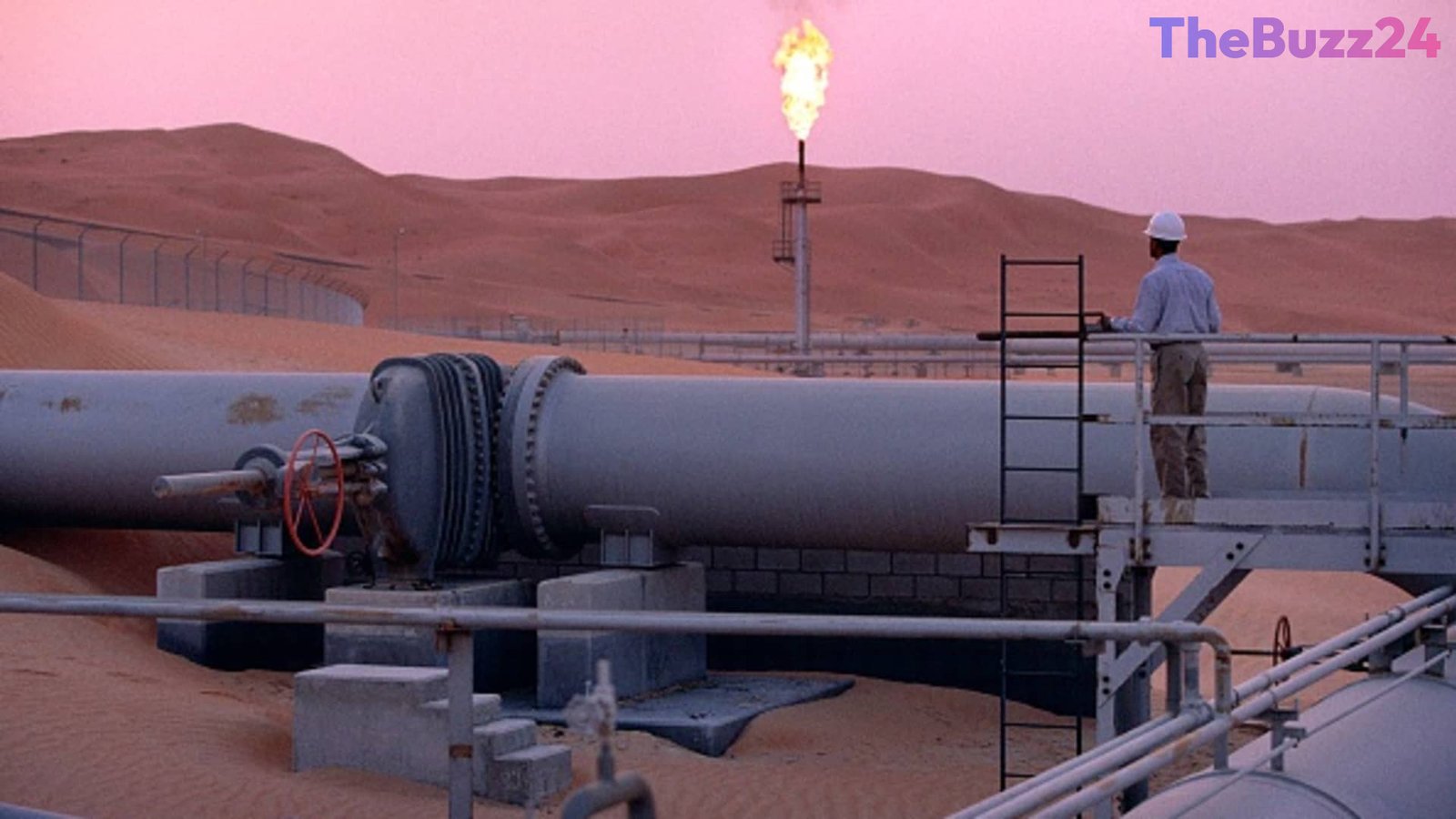
Saudi Arabia has significantly escalated its oil shipments through a trans-Egypt pipeline network, seeking secure alternative routes to the Mediterranean Sea as persistent militant assaults disrupt critical Middle Eastern maritime corridors. The strategic shift comes in response to escalating security risks in the Red Sea, forcing major energy producers to rethink traditional shipping lanes and distribution frameworks.
Data tracking the region indicates that petroleum exports leaving Egypt’s Mediterranean port of Sidi Kerir have experienced a sharp upward trajectory. The infrastructure handling this volume relies on the Sumed pipeline, which links the Red Sea port of Ain Sokhna with Mediterranean terminals. Because heavily laden supertankers exceed the draft limits required to navigate the Suez Canal directly, portions of the cargo are offloaded into the pipeline, transported across land, and reloaded onto vessels on the northern side.
This logistics overhaul has created a notable ripple effect across global energy markets. While European and North American buyers have absorbed larger shares of these redirected shipments, Asian destinations face lengthier and costlier transit routes. Navigating around the African continent adds weeks to voyage times, prompting shifts in traditional trade patterns as refiners weigh the economics of acquiring Middle Eastern crude versus alternative regional supplies.
Key Takeaways
- Saudi Arabia has increased oil exports through Egypt's Sumed pipeline to avoid Red Sea militant attacks.
- Exports from the Mediterranean port of Sidi Kerir have more than doubled as part of a strategic shift.
- Rerouted shipments are predominantly reaching European and U.S. markets, while Asian buyers face longer journeys around Africa.
Editor’s Analysis & Impact
The redirection of Saudi oil flows through the Sumed pipeline highlights the extreme fragility of global energy logistics in the face of localized geopolitical conflicts. As maritime chokepoints like the Bab el-Mandeb Strait face ongoing security threats, energy exporters are increasingly forced to rely on overland and alternative coastal infrastructure. While these pivots successfully mitigate immediate physical risks to tankers, they introduce substantial inefficiencies, including extended voyage times and increased freight costs. Over the long term, this dynamic is likely to permanently alter trade matrices, forcing European refiners to lean more heavily on Mediterranean-accessible crude while compelling Asian markets to diversify their procurement toward closer or more secure suppliers. The ongoing adaptation underscores the critical necessity of resilient supply chain architecture in global commodity markets.
Frequently Asked Questions
Q: Why is Saudi Arabia rerouting its oil exports?
A: Saudi Arabia is shifting its export routes to avoid persistent attacks by Houthi militants on commercial tankers traversing the Red Sea and the Bab el-Mandeb Strait.
Q: What pipeline is being used to bypass the Red Sea?
A: The kingdom is utilizing the Sumed pipeline, which connects Ain Sokhna on the Red Sea to Sidi Kerir on the Mediterranean coast across Egypt.
Q: How has this redirection affected global buyers?
A: European and North American markets are receiving more Saudi crude via the Mediterranean, whereas traditional Asian customers face longer and more expensive transit routes around Africa.
AI Disclosure: This article is based on verified data and official reports. Our Team and AI have cross-referenced every financial detail with primary sources to ensure total accuracy.
More from this Category