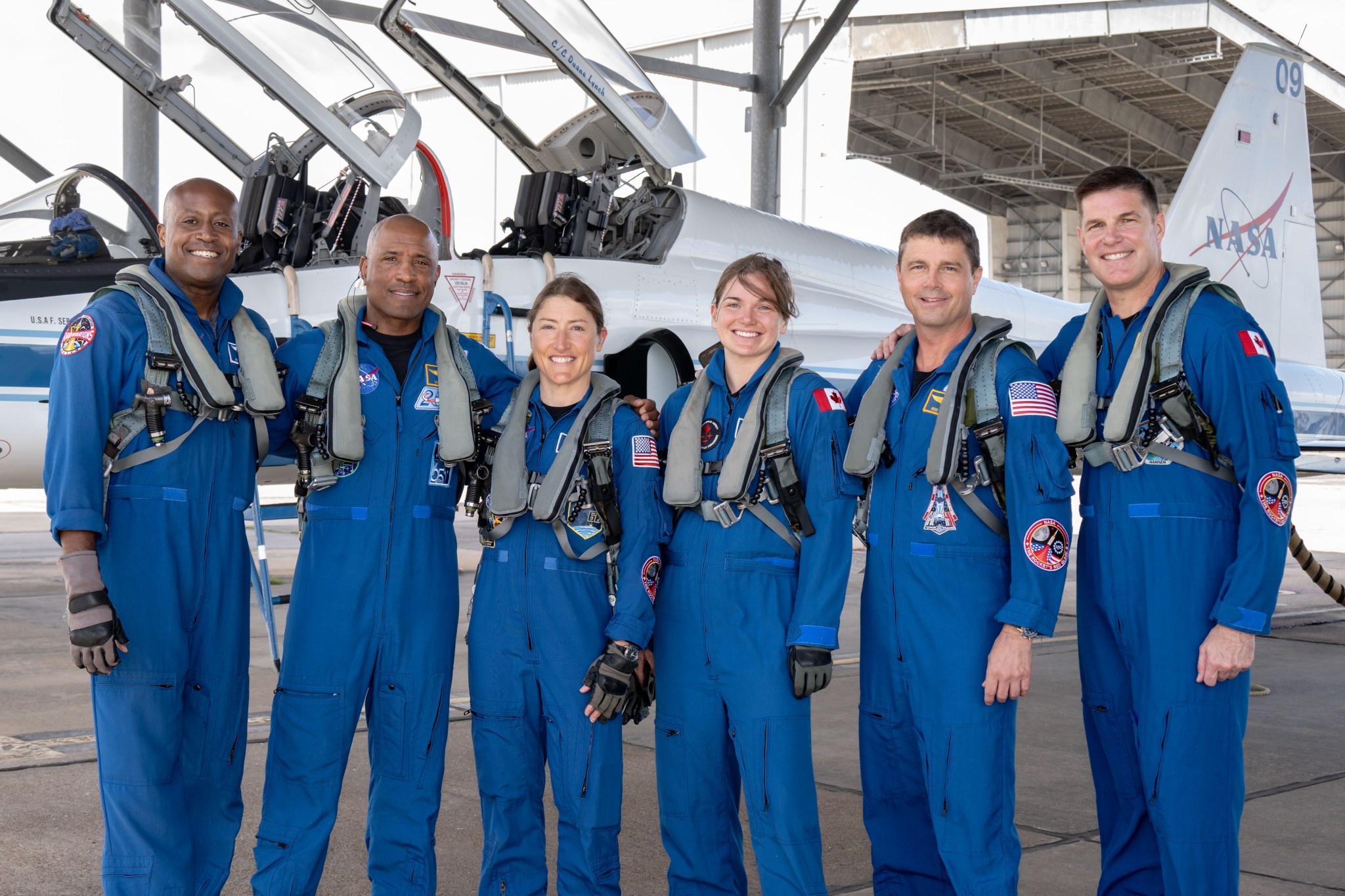
Artemis II: Preparing for the Next Era of Human Lunar Exploration
The Artemis II mission has officially transitioned into its final preparatory phase, signaling a major advancement in the effort to return humans to deep space. A four-person crew, featuring NASA astronauts Reid Wiseman, Victor Glover, and Christina Koch, alongside Canadian Space Agency astronaut Jeremy Hansen, is currently undergoing rigorous training for their upcoming lunar flyby. To ensure operational continuity, Andre Douglas and Jenni Gibbons have been named as the official backup crew members for the mission.
Launching from the Kennedy Space Center in Florida, the 10-day mission will execute a complex trajectory around the Moon. This flight serves as a foundational milestone, acting as a bridge between previous uncrewed test flights and the long-term objective of establishing a sustainable human presence on the lunar surface. The mission marks a fundamental shift in the approach to long-duration space travel, moving humanity closer to a future defined by regular lunar activity.
Beyond the historic nature of the journey, the mission performs a critical technical function: the first human-rated evaluation of the Orion spacecraft’s life support systems. By testing these essential components under real-world conditions, engineers will gather vital data to validate the safety and reliability of the hardware. This information is considered indispensable for future voyages deeper into the solar system, effectively establishing the technical benchmarks for the next generation of space exploration.
Key Takeaways
- The Artemis II mission features a four-person crew representing both NASA and the Canadian Space Agency.
- The 10-day flight will conduct the first human-rated test of the Orion spacecraft's life support systems.
- This mission is a vital precursor to future crewed lunar landings and the development of permanent lunar infrastructure.
Editor’s Analysis & Impact
The Artemis II mission represents a critical inflection point for the global aerospace industry. By transitioning from uncrewed testing to human-rated flight, the program is effectively de-risking the infrastructure required for the next era of lunar exploration. The successful validation of the Orion spacecraft’s life support systems is not just a technical requirement; it is a prerequisite for the commercial and international partnerships that will define the ‘Moon to Mars’ architecture. Looking ahead, the data gathered from this mission will likely influence the design specifications for future deep-space habitats and logistics vehicles. As private sector involvement in space continues to grow, the Artemis program serves as the primary anchor for setting safety standards and operational protocols that will govern long-term lunar habitation and potential resource extraction efforts.
Frequently Asked Questions
Q: What is the primary objective of the Artemis II mission?
A: The mission's main goal is to conduct the first human-rated test of the Orion spacecraft's life support systems during a lunar flyby, which is essential for preparing for future crewed landings.
Q: How long is the Artemis II mission expected to last?
A: The mission is designed as a 10-day voyage, beginning with a launch from the Kennedy Space Center and concluding with a return to Earth after completing its lunar trajectory.
AI Disclosure: This article is based on verified data and official reports. Our Team and AI have cross-referenced every financial detail with primary sources to ensure total accuracy.
More from this Category