SoftBank’s AI Gamble: Vision Fund Records $46 Billion Windfall Driven by OpenAI
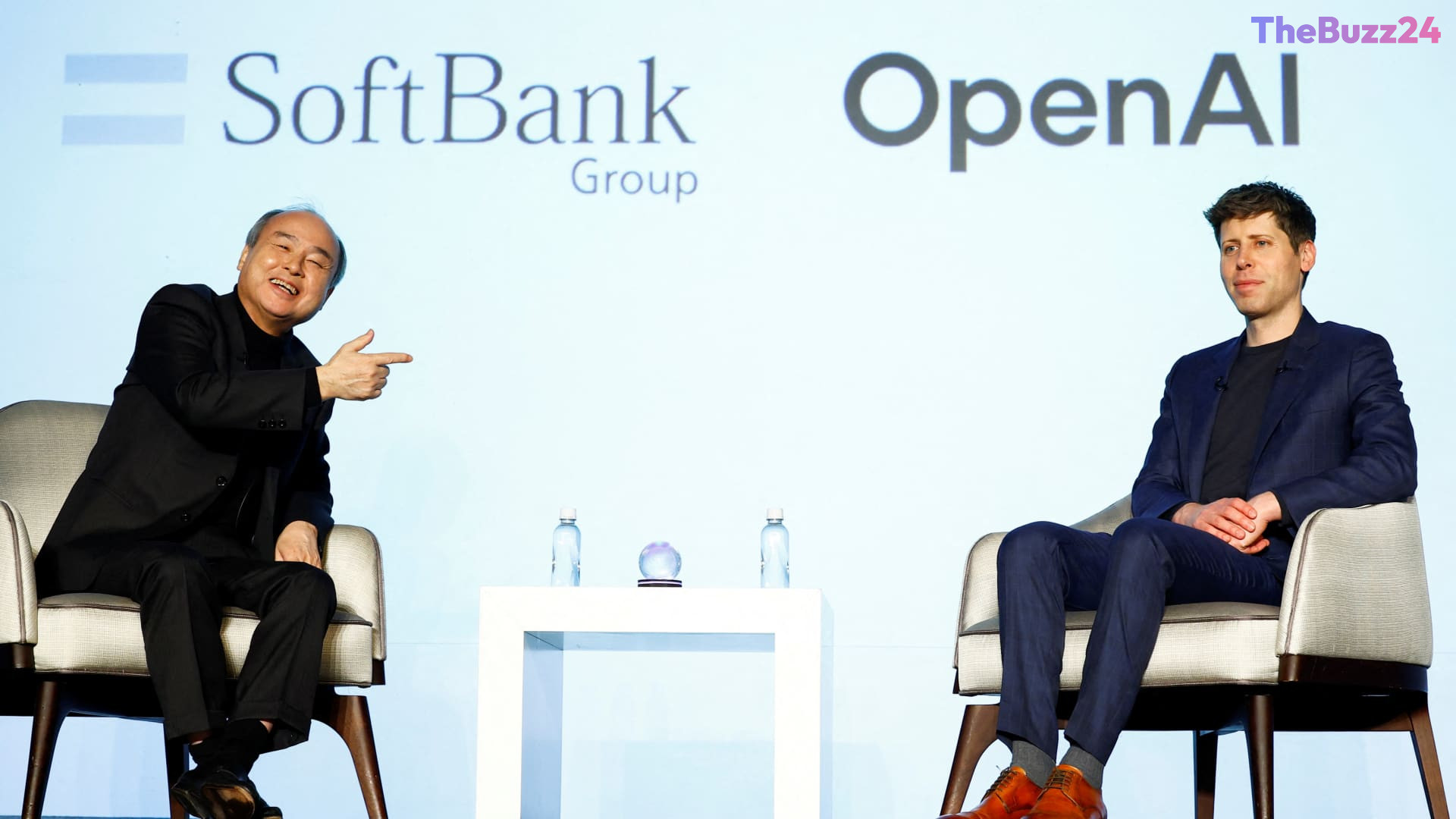
SoftBank Group’s Vision Fund has reported a staggering $46 billion annual gain, a recovery largely credited to its massive and strategic bet on OpenAI. This financial windfall comes at a critical time, effectively neutralizing significant losses from other portfolio holdings such as Coupang, DiDi Global, and Klarna. The results highlight a decisive shift in the Japanese conglomerate’s strategy, as it pivots away from a broad tech portfolio to focus intensely on dominating the global artificial intelligence sector.
The scale of the commitment to OpenAI is unprecedented in the venture capital world. SoftBank has already injected over $30 billion into the AI developer and intends to double that figure, targeting a total investment exceeding $60 billion. This aggressive move is designed to secure approximately a 13% ownership stake in OpenAI, which recently reached a valuation of $852 billion following a funding round co-led by SoftBank. During the last fiscal year, OpenAI-related returns accounted for nearly the entire profit margin of the Vision Fund, including a $20 billion valuation surge in the final quarter alone.
To finance this expansion into AI, SoftBank has been systematically offloading other high-profile assets. The firm generated roughly $1.4 billion by trimming its positions in Nvidia and T-Mobile. While these moves have bolstered the company’s cash reserves to 3.5 trillion yen—enough to cover debt obligations for the next two years—they have also drawn scrutiny from credit analysts. S&P Global Ratings recently shifted SoftBank’s outlook to “negative,” citing concerns that such a concentrated investment strategy could limit the group’s financial flexibility and overall liquidity.
Despite the warnings from rating agencies, SoftBank’s broader financial health appears robust, with the group posting a net profit of 5 trillion yen for the fiscal year. Chief Financial Officer Yoshimitsu Goto has reassured investors of the company’s rigorous financial discipline, pointing to a formidable cash reserve that provides a significant buffer. As the company continues to liquidate non-core assets to fuel its AI ambitions, the market remains focused on whether this high-stakes concentration will pay off in the long term.
Key Takeaways
- SoftBank's Vision Fund recorded a $46 billion annual gain, almost entirely driven by its investment returns from OpenAI.
- The conglomerate plans to increase its total investment in OpenAI to over $60 billion to secure a 13% ownership stake.
- S&P Global Ratings has revised SoftBank's outlook to negative due to concerns over asset concentration and reduced liquidity.
Editor’s Analysis & Impact
SoftBank’s pivot toward OpenAI represents one of the most significant ‘all-in’ moves in modern corporate history. By tethering its financial future so closely to a single entity, the firm is betting that OpenAI will remain the undisputed leader of the AI revolution. While the current paper gains are massive, the strategy carries inherent dangers. The transition from a diversified venture fund to a concentrated AI holding company has already spooked credit agencies, who fear that a lack of liquidity could leave SoftBank vulnerable if the AI market experiences a correction. Furthermore, the reliance on selling stable assets like T-Mobile to fund speculative AI growth suggests a high-risk appetite that will either cement SoftBank as a visionary leader or leave it exposed to significant volatility if OpenAI’s valuation plateaus or faces regulatory headwinds.
Frequently Asked Questions
Q: What is SoftBank's target ownership in OpenAI?
A: SoftBank aims to secure an estimated 13% ownership stake in OpenAI by increasing its total investment to more than $60 billion.
Q: Why did S&P Global Ratings change SoftBank's outlook to negative?
A: The agency is concerned that concentrating such a large amount of capital in a single entity like OpenAI reduces SoftBank's portfolio diversification and could compromise its financial liquidity.
Q: How is SoftBank raising capital for its AI investments?
A: SoftBank has been liquidating portions of its holdings in other major companies, including Nvidia and T-Mobile, to fund its multi-billion-dollar commitments to the AI sector.
AI Disclosure: This article is based on verified data and official reports. Our Team and AI have cross-referenced every financial detail with primary sources to ensure total accuracy.
More from this Category