SpaceX Dragon Successfully Docks at International Space Station
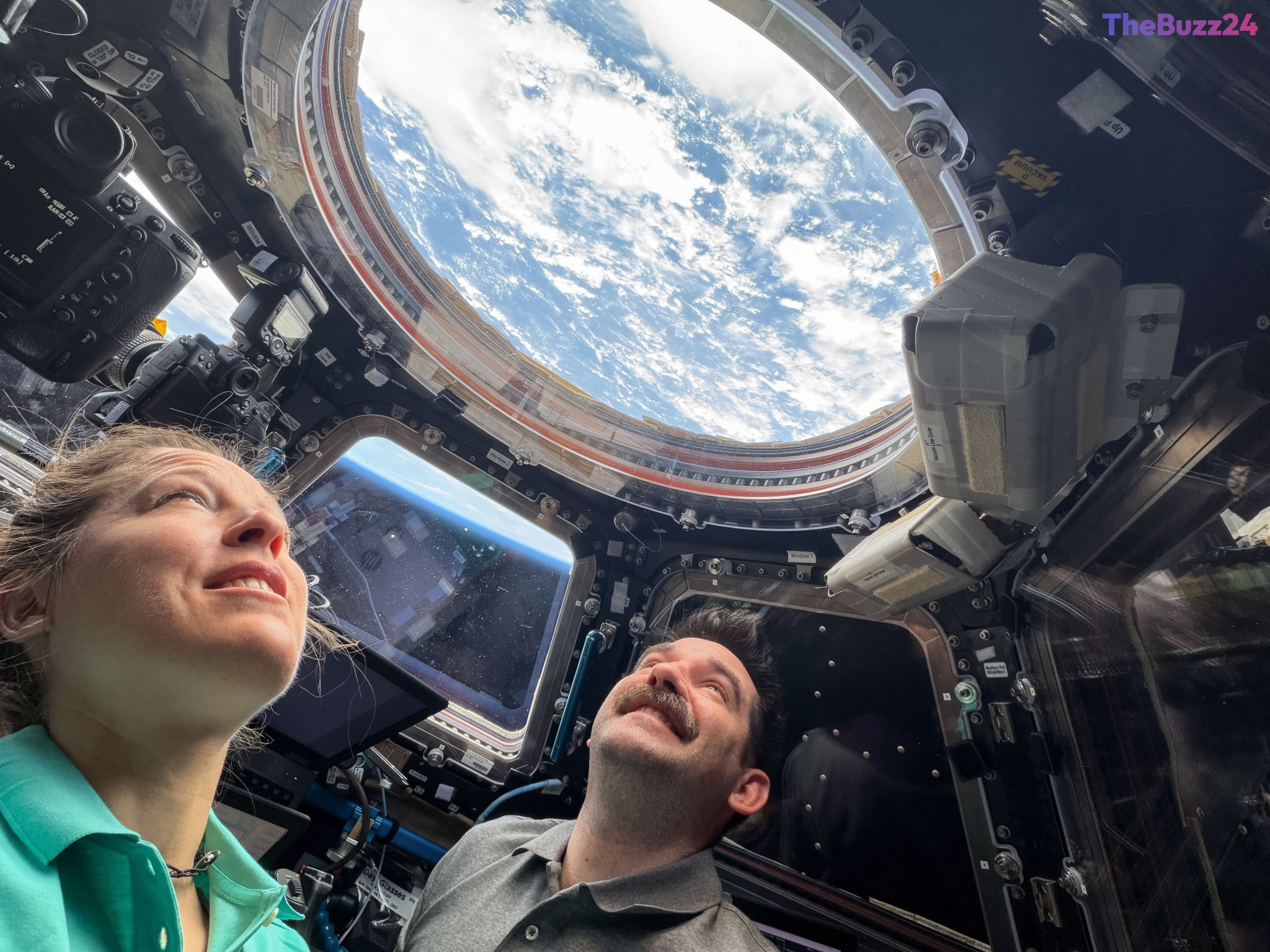
Astronauts Sophie Adenot of the European Space Agency and Jack Hathaway of NASA successfully oversaw the arrival of a SpaceX Dragon cargo spacecraft at the International Space Station on May 17, 2026. Serving as flight engineers for Expedition 74, the pair monitored the automated docking procedures from the station’s cupola module.
At the time of the docking, the International Space Station was positioned approximately 259 miles above the Indian Ocean, specifically located west of the Maldives. The Dragon spacecraft, a critical component of the station’s supply chain, delivered essential cargo and scientific equipment to support ongoing research operations in low-Earth orbit.
The cupola, which provided the vantage point for the astronauts, remains one of the most vital observation decks on the orbital outpost. Its panoramic windows allow crew members to conduct manual oversight of visiting vehicles and observe Earth, ensuring that automated systems function correctly during the delicate approach and attachment phases of spaceflight.
Key Takeaways
- ESA astronaut Sophie Adenot and NASA astronaut Jack Hathaway monitored the automated docking of a SpaceX Dragon cargo ship.
- The docking occurred while the International Space Station was orbiting 259 miles above the Indian Ocean.
- The cupola module continues to serve as a primary observation point for crew members managing visiting spacecraft.
Editor’s Analysis & Impact
The successful docking of the SpaceX Dragon cargo vehicle underscores the continued reliability of commercial partnerships in maintaining the International Space Station’s operational capacity. As the station nears the end of its projected lifecycle, the seamless integration of automated docking systems remains a critical technological milestone for future deep-space exploration. The ability to efficiently resupply the station is essential for sustaining long-duration human presence in orbit and facilitating complex scientific experiments. Looking ahead, the reliance on private sector logistics providers like SpaceX will likely increase as space agencies transition toward more commercialized low-Earth orbit operations, setting the stage for future lunar and Martian missions that will require similar automated rendezvous and docking capabilities.
Frequently Asked Questions
Q: What was the purpose of the SpaceX Dragon mission?
A: The SpaceX Dragon mission was a cargo resupply flight designed to deliver essential supplies, equipment, and scientific research materials to the crew aboard the International Space Station.
Q: What is the role of the cupola on the International Space Station?
A: The cupola is a specialized module with seven windows that provides a panoramic view of the Earth and the station's exterior, allowing astronauts to monitor docking operations and perform external observations.
AI Disclosure: This article is based on verified data and official reports. Our Team and AI have cross-referenced every financial detail with primary sources to ensure total accuracy.
More from this Category