SpaceX’s Pre-IPO Surge: Early Investors See Billions in Paper Gains
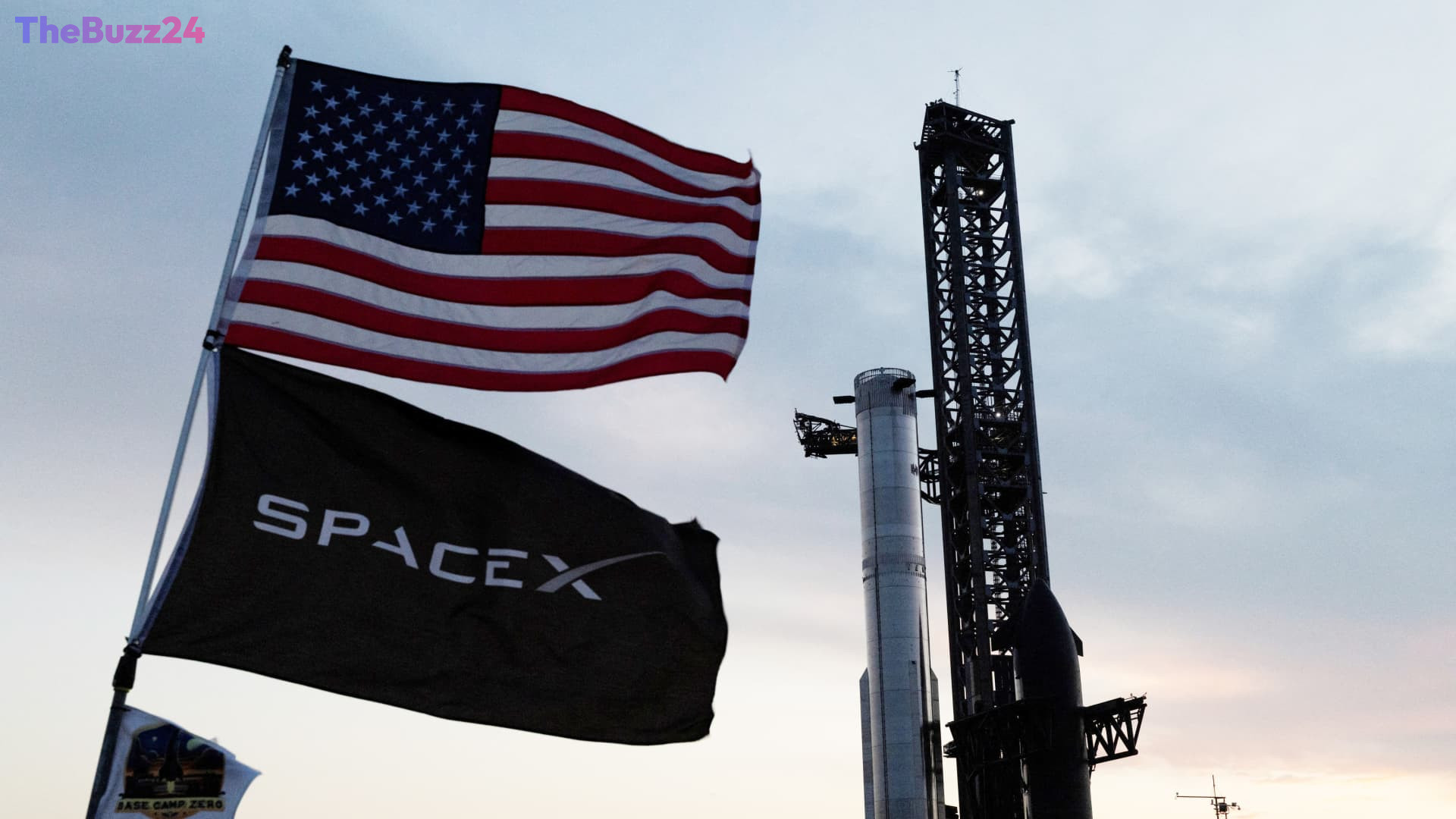
As Elon Musk’s SpaceX approaches a potential $1.8 trillion valuation for its initial public offering, a select group of early investors are set to realize some of the most significant paper gains in venture capital history. These investors, who placed their faith in the rocket company during its nascent stages, are now poised to reap substantial rewards.
For nearly two decades, prominent figures and institutions quietly built stakes in SpaceX, navigating its path through numerous funding rounds while the company remained largely inaccessible to public markets. Among the major beneficiaries are veteran investor Ron Baron, Cathie Wood’s Ark Invest, and the mutual fund giant Fidelity Investments. Venture capital firms like Founders Fund, Sequoia Capital, and Andreessen Horowitz, alongside hedge funds such as D1 Capital Partners and Coatue Management, are also positioned for considerable returns. Select pension funds and university endowments are similarly expected to share in this financial windfall.
Ron Baron, for instance, first invested in 2017 when SpaceX’s valuation was under $22 billion. His firm has since participated in 27 funding rounds, investing approximately $2 billion. By the end of March, SpaceX represented a significant portion of Baron’s funds, accounting for 33% of the Baron Partners Fund and 23% of the Baron Asset Fund. Baron expressed his conviction, stating, “We think that SpaceX will become the largest, most profitable company on the planet,” with his firm’s stake now valued at roughly $12 billion.
Cathie Wood’s Ark Invest views SpaceX as a foundational element for a future space economy, integrating AI infrastructure through initiatives like Starship and Starlink. Fidelity Investments also holds substantial positions across several of its large-cap funds, underscoring the widespread institutional confidence in SpaceX’s long-term trajectory. The company’s tight control over its capitalization table meant that early investors often had exclusive opportunities for subsequent investments, amplifying their initial successes.
Key Takeaways
- Early investors in SpaceX are anticipating massive paper gains as the company approaches a potential $1.8 trillion IPO valuation.
- Key beneficiaries include Ron Baron, Ark Invest, Fidelity Investments, various venture capital and hedge funds, pension funds, and endowments.
- SpaceX's controlled capitalization table and early-stage investment opportunities significantly amplified returns for its initial backers.
Editor’s Analysis & Impact
The extraordinary returns for early SpaceX investors highlight the immense potential and high-risk, high-reward nature of venture capital, particularly in disruptive technology sectors. SpaceX’s journey from a speculative startup to a potential trillion-dollar company underscores the value of long-term vision and strategic patience. This success story could inspire further investment in ambitious space-tech ventures and reinforce the importance of identifying and supporting companies with transformative potential, even when they operate outside traditional market norms. The company’s continued growth and diversification into areas like AI infrastructure suggest a future where space-based assets play an increasingly critical role in the global economy.
Frequently Asked Questions
Q: Who are the main beneficiaries of SpaceX's early investments?
A: The primary beneficiaries include veteran investor Ron Baron, Cathie Wood's Ark Invest, Fidelity Investments, venture capital firms like Founders Fund and Sequoia Capital, hedge funds such as D1 Capital Partners and Coatue Management, as well as select pension funds and university endowments.
Q: What is SpaceX's potential valuation for its IPO?
A: SpaceX is reportedly seeking a valuation of approximately $1.8 trillion for its initial public offering.
Q: Why did early investments in SpaceX yield such high returns?
A: Early investors benefited from SpaceX's significant growth and innovation, coupled with the scarcity value of access to its shares. The company maintained tight control over its capitalization table, offering early backers exclusive opportunities to invest in subsequent funding rounds, which amplified their initial gains.
AI Disclosure: This article is based on verified data and official reports. Our Team and AI have cross-referenced every financial detail with primary sources to ensure total accuracy.
More from this Category