Artemis II Mission Beams Back Unprecedented View of the Milky Way
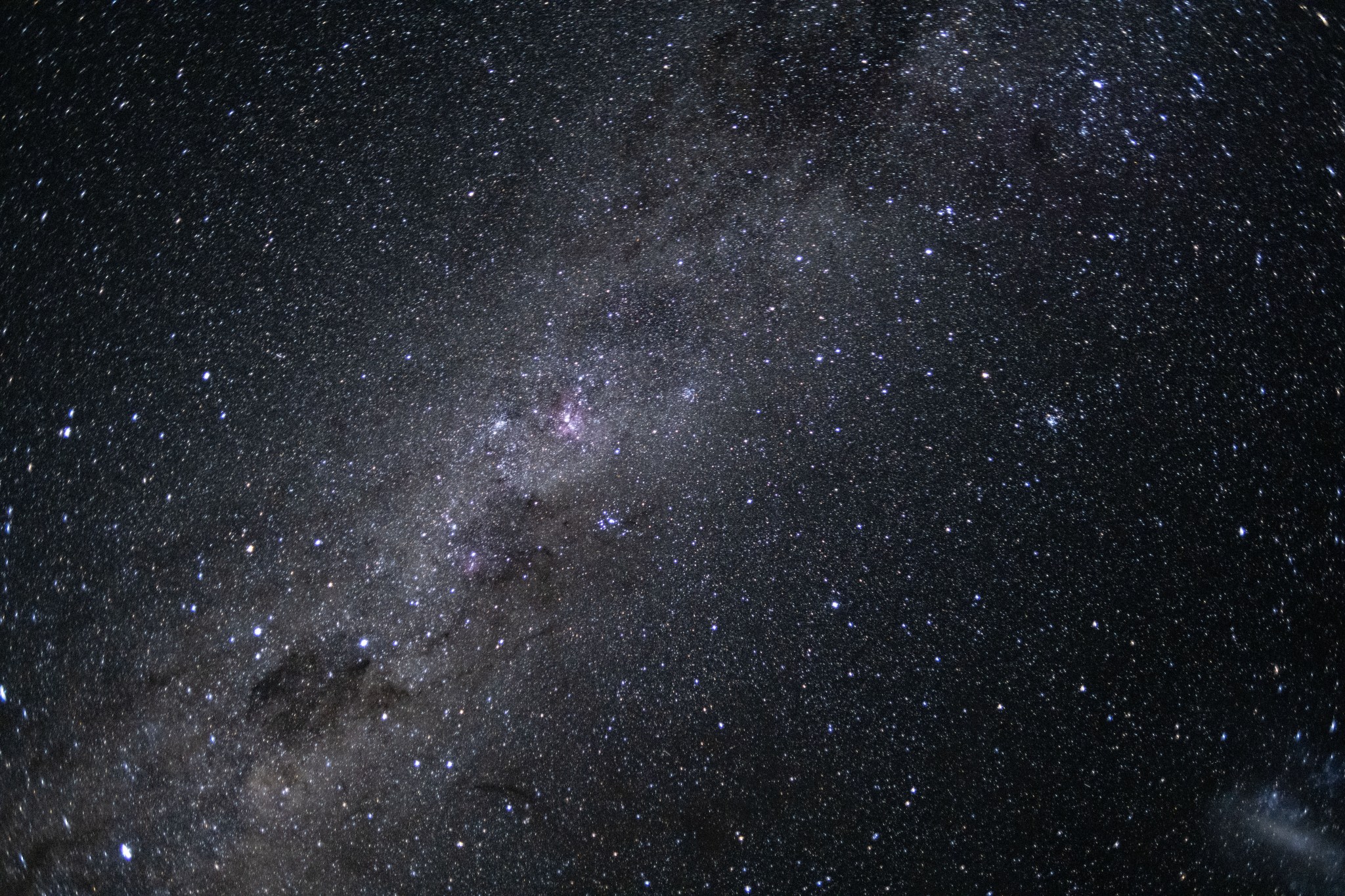
The crew aboard the Artemis II mission has successfully captured a breathtaking, high-resolution photograph of the Milky Way galaxy, offering a rare perspective from the depths of space. The image, recorded on April 7, 2026, provides a clear view of the galaxy’s complex spiral structure, showcasing the dense central bar of stars and the expansive arms that define our cosmic neighborhood.
Spanning more than 100,000 light-years, the Milky Way continues to be a primary focus for astronomers and astrophysicists. Earth’s position within one of the spiral arms—roughly halfway between the galactic core and the outer rim—is highlighted by this new imagery, which serves as a stark reminder of our planet’s relative location within the vast architecture of the universe.
Beyond the aesthetic appeal of the photograph, this achievement underscores the critical role of human-led space exploration. By capturing data from unique vantage points outside of Earth’s immediate orbit, mission specialists are gaining new insights into stellar formation and the evolutionary history of galaxies. These efforts not only advance scientific knowledge but also serve to inspire global interest in the future of deep-space travel and the expansion of human presence beyond our home world.
Key Takeaways
- The Artemis II crew captured a detailed image of the Milky Way galaxy on April 7, 2026.
- The photograph highlights the galaxy's spiral structure and the relative position of Earth within its arms.
- The mission aims to deepen scientific understanding of galactic evolution while promoting interest in deep-space exploration.
Editor’s Analysis & Impact
The successful capture of this imagery by the Artemis II crew represents a significant milestone in public engagement and scientific documentation. As space agencies shift toward more ambitious deep-space objectives, the ability to provide high-fidelity visual data from beyond Earth’s orbit is essential for maintaining public support and funding. From a scientific perspective, these observations provide researchers with unique data points that ground-based telescopes cannot replicate due to atmospheric interference and fixed positioning. Looking ahead, the integration of advanced imaging technology on crewed missions will likely become a standard requirement, facilitating a better understanding of galactic dynamics. This mission reinforces the strategic importance of human-led exploration in uncovering the mysteries of the cosmos, setting a precedent for future lunar and deep-space endeavors that will continue to push the boundaries of human knowledge.
Frequently Asked Questions
Q: What is the significance of the Artemis II Milky Way photograph?
A: The photograph provides a rare, high-resolution view of the Milky Way's spiral structure from deep space, helping scientists better understand galactic evolution and stellar formation.
Q: Where is Earth located within the Milky Way?
A: Earth is situated within one of the galaxy's spiral arms, approximately halfway between the dense galactic core and the outer edge of the galaxy.
AI Disclosure: This article is based on verified data and official reports. Our Team and AI have cross-referenced every financial detail with primary sources to ensure total accuracy.
More from this Category