Beirut in Mourning Following Massive Wave of Airstrikes
Lebanon is reeling from a catastrophic series of airstrikes that struck the nation on Wednesday, resulting in a staggering loss of life and widespread infrastructure damage. The sudden escalation occurred with little warning, shattering the relative calm in several urban centers and leaving hundreds of families devastated. The Lebanese health ministry has confirmed that the death toll has surpassed 300 individuals, with a significant demographic of the victims identified as women, children, and the elderly.
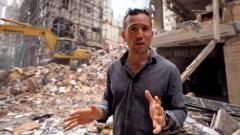
The intensity of the campaign was unprecedented, with reports indicating that over 100 strikes were executed within a ten-minute timeframe. These attacks hit densely populated areas, including locations previously designated as safe zones, which has sparked international concern regarding the protection of civilians in conflict zones. The capital city of Beirut remains in a state of shock as emergency responders continue to navigate the debris of destroyed residential buildings.
Israel has acknowledged responsibility for the operation, characterizing the strikes as a strategic effort to dismantle infrastructure associated with Hezbollah. The timing of this military action has complicated ongoing diplomatic efforts, as it followed closely on the heels of reports regarding a potential ceasefire agreement. As the region faces this latest surge in violence, the humanitarian situation continues to deteriorate, leaving the international community to grapple with the implications of such a rapid and lethal escalation.
Key Takeaways
- A massive wave of over 100 airstrikes in Lebanon resulted in more than 300 civilian deaths.
- The strikes targeted densely populated areas, including regions previously considered safe zones.
- The military operation occurred despite ongoing international diplomatic efforts to secure a ceasefire.
Editor’s Analysis & Impact
The recent escalation in Lebanon represents a significant breakdown in regional stability, effectively stalling fragile diplomatic negotiations aimed at de-escalation. By targeting densely populated urban centers, the conflict has entered a more volatile phase that increases the risk of a wider regional conflagration. From a geopolitical perspective, the timing of these strikes—occurring shortly after reports of a potential ceasefire—suggests a profound disconnect between military objectives and diplomatic progress. The humanitarian impact is severe, likely necessitating an urgent international response to address the displacement and medical needs of the affected population. Moving forward, the ability of global powers to mediate a sustainable truce will be severely tested, as the threshold for further military engagement continues to drop, threatening to draw additional regional actors into the fray.
Frequently Asked Questions
Q: What was the primary target of the Israeli airstrikes?
A: The Israeli military stated that the strikes were intended to target infrastructure and sites linked to the militant group Hezbollah.
Q: How many casualties were reported following the strikes?
A: According to the Lebanese health ministry, the strikes resulted in more than 300 civilian deaths, including a high number of women, children, and elderly individuals.
AI Disclosure: This article is based on verified data and official reports. Our Team and AI have cross-referenced every financial detail with primary sources to ensure total accuracy.
More from this Category