Strait of Hormuz Blockade and Regional Clashes Push US-Iran Tensions to a Boiling Point
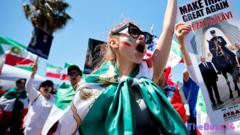
The geopolitical friction surrounding Iran has reached a boiling point, manifesting not only in military theaters but also on the global cultural stage. In Los Angeles, large crowds of Iranian-Americans recently gathered to protest the presence of Iran’s national sports team, alleging deep-seated connections between the athletic delegation and the Islamic Revolutionary Guard Corps (IRGC). This demonstration highlights how deeply political animosity has permeated international events, with athletes acknowledging that the intense friction between Washington and Tehran continues to overshadow their participation on the world stage.
Beyond symbolic protests, the Middle East remains gripped by active conflict. A recent Iranian drone strike on Kuwait’s international airport resulted in one fatality and dozens of injuries, underscoring the volatile nature of regional security. Meanwhile, the highly publicized ceasefire between Israel and Hezbollah in Lebanon remains incredibly fragile. Despite diplomatic efforts to secure a lasting truce, verified reports and video footage indicate that military strikes have continued to devastate densely populated neighborhoods in southern Lebanon, leaving residents struggling to return to their homes amidst ongoing hostilities.
At sea, the strategic Strait of Hormuz has become the epicenter of a dangerous maritime standoff. A dual blockade involving both U.S. and Iranian forces has severely disrupted global shipping lanes, leaving numerous commercial vessels stranded. In response to the escalating risks, U.S. President Donald Trump temporarily suspended “Project Freedom,” a naval operation designed to escort and guide commercial ships through the highly contested strait. Ship captains caught in the middle have reported immense pressure as the waterway becomes a primary testing ground for geopolitical dominance.
Internally, the Iranian population is bearing the brunt of this multi-front crisis. The government in Tehran has implemented strict internet blackouts to suppress dissent and control the flow of information, leaving citizens isolated as they grapple with the psychological and economic trauma of ongoing conflict. Compounding the regional instability, the United Arab Emirates recently announced its departure from OPEC after nearly six decades of membership, signaling a major shift in Gulf alliances and energy politics that could reshape the economic landscape of the Middle East for generations to come.
Key Takeaways
- Iranian-American protests in Los Angeles and maritime blockades in the Strait of Hormuz highlight the multi-dimensional nature of the current US-Iran conflict.
- A fragile ceasefire between Israel and Hezbollah in Lebanon continues to be threatened by ongoing military strikes and regional instability.
- The suspension of the U.S. naval escort initiative 'Project Freedom' underscores the high risks associated with navigating the contested Strait of Hormuz.
Editor’s Analysis & Impact
The current escalation represents a dangerous transition from proxy warfare to direct, multi-domain confrontation. The blockade of the Strait of Hormuz is particularly concerning for global markets, as any prolonged disruption to this vital energy corridor could trigger a sharp spike in global oil prices. This economic anxiety is further compounded by the UAE’s historic exit from OPEC, suggesting a fragmentation of traditional Gulf alliances. While diplomatic channels remain open, the cycle of aggressive posturing, drone strikes, and domestic crackdowns within Iran limits the viability of a near-term peace deal. Investors and international observers should prepare for sustained volatility in energy markets and heightened security protocols for commercial shipping in the Middle East.
Frequently Asked Questions
Q: Why are Iranian-Americans protesting the national team?
A: Protesters in Los Angeles and elsewhere argue that the Iranian national team has direct ties to the Islamic Revolutionary Guard Corps (IRGC), using international sports platforms to legitimize the current regime.
Q: What is 'Project Freedom' and why was it suspended?
A: Project Freedom was a U.S.-led naval operation aimed at guiding and protecting commercial vessels passing through the contested Strait of Hormuz. It was suspended by President Trump due to the extreme risks posed by the ongoing maritime blockade and escalating tensions with Iranian forces.
Q: How is the ceasefire in Lebanon holding up?
A: The ceasefire between Israel and Hezbollah remains highly unstable. Despite the official agreement, active military strikes have continued in southern Lebanon, preventing many displaced residents from safely returning home.
AI Disclosure: This article is based on verified data and official reports. Our Team and AI have cross-referenced every financial detail with primary sources to ensure total accuracy.
More from this Category