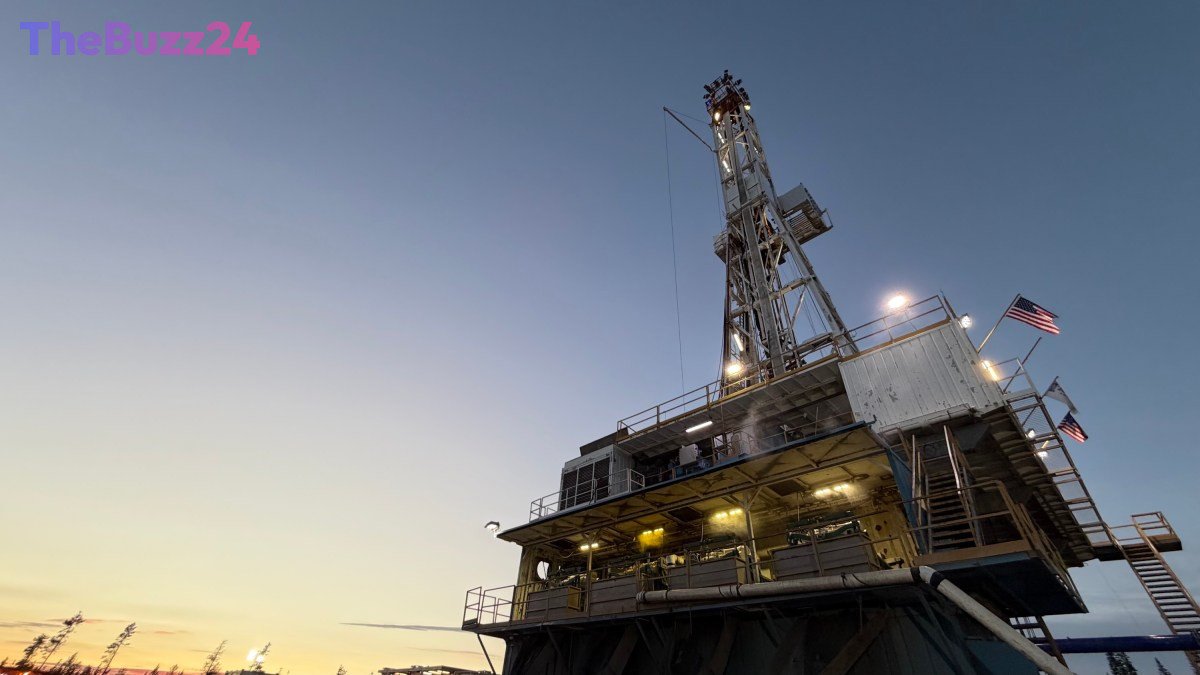
Super-Hot Rock Geothermal: The Next Frontier in Clean Energy for Data Centers?
A new wave of geothermal energy innovation is focusing on tapping into the Earth’s deepest, hottest rock formations, promising a potential solution to the immense energy demands of data centers and the broader power grid. While enhanced geothermal has seen recent investor interest, the spotlight is now firmly on super-hot rock technology, which aims to unlock vast untapped energy reserves.
Advances in drilling techniques, adapted from the oil and gas sector, are making previously inaccessible geothermal resources viable. The United States alone possesses an estimated 57 terawatts of potential geothermal generating capacity, more than enough to power the burgeoning needs of artificial intelligence data centers. Super-hot rock geothermal seeks to harness the extreme conditions found miles beneath the Earth’s surface, where water transforms into a supercritical fluid capable of storing and transferring significant amounts of energy. A single well utilizing this method could potentially generate 15 megawatts or more of electricity.
Several companies are at the forefront of this technological race. Quaise Energy has secured a significant deal with Google, agreeing to provide 50 megawatts of power from a project in central Oregon for over $500 million. This hyperscale customer is investing in Quaise’s ambitious approach, which involves using a gyrotron to vaporize rock at depths of three miles, bypassing the limitations of traditional drill bits at extreme temperatures. Meanwhile, Mazama Energy is developing a different strategy, focusing on keeping conventional drill heads cool using a novel Carbon Chill system. This technology employs supercritical carbon dioxide to manage heat and remove drill cuttings, aiming for efficiency and cost-effectiveness.
Further bolstering the sector, XGS Energy has received a grant from the Department of Energy to advance materials and well designs for super-hot environments. These companies, despite their differing methodologies, are all pushing the boundaries of geothermal energy, aiming to produce substantially more power per well than current technologies. The potential for fewer, more powerful wells could significantly reduce project costs and make geothermal a more competitive energy source. With substantial investment flowing into these ventures and early technological successes, the pursuit of super-hot rock geothermal is rapidly intensifying.
Key Takeaways
- Super-hot rock geothermal technology aims to tap extreme underground heat for energy generation.
- Companies like Quaise Energy and Mazama Energy are developing innovative drilling and cooling methods.
- Google has committed over $500 million for power from a Quaise Energy project, signaling strong industry interest.
Editor’s Analysis & Impact
The push into super-hot rock geothermal represents a significant evolution in renewable energy, directly addressing the massive power consumption of data centers and the broader digital economy. By targeting deeper, hotter geological formations, these companies aim to achieve unprecedented energy density from geothermal sources. The substantial investment and strategic partnerships, like Google’s deal with Quaise, underscore the perceived potential of this technology to overcome the intermittency challenges of other renewables. If successful, super-hot rock geothermal could become a critical baseload power source, accelerating the transition to cleaner energy infrastructure and supporting the continued growth of energy-intensive industries.
Frequently Asked Questions
Q: What is super-hot rock geothermal energy?
A: Super-hot rock geothermal energy involves tapping into extremely hot rock formations deep within the Earth's crust, where temperatures and pressures are high enough to turn water into a supercritical fluid. This fluid can store and transfer a large amount of energy, enabling more efficient electricity generation from geothermal wells.
Q: How do companies like Quaise Energy and Mazama Energy differ in their approach?
A: Quaise Energy plans to use a gyrotron to vaporize rock at extreme depths, bypassing traditional drilling limitations. Mazama Energy focuses on keeping conventional drill bits cool using a novel Carbon Chill system that utilizes supercritical carbon dioxide.
Q: Why is this technology important for data centers?
A: Data centers require vast amounts of reliable, continuous power. Super-hot rock geothermal offers the potential for high-output, baseload energy generation, which could provide a clean and consistent power source to meet these demanding requirements.
AI Disclosure: This article is based on verified data and official reports. Our Team and AI have cross-referenced every financial detail with primary sources to ensure total accuracy.
More from this Category