Supreme Court Permits Ongoing Construction of Controversial White House Ballroom
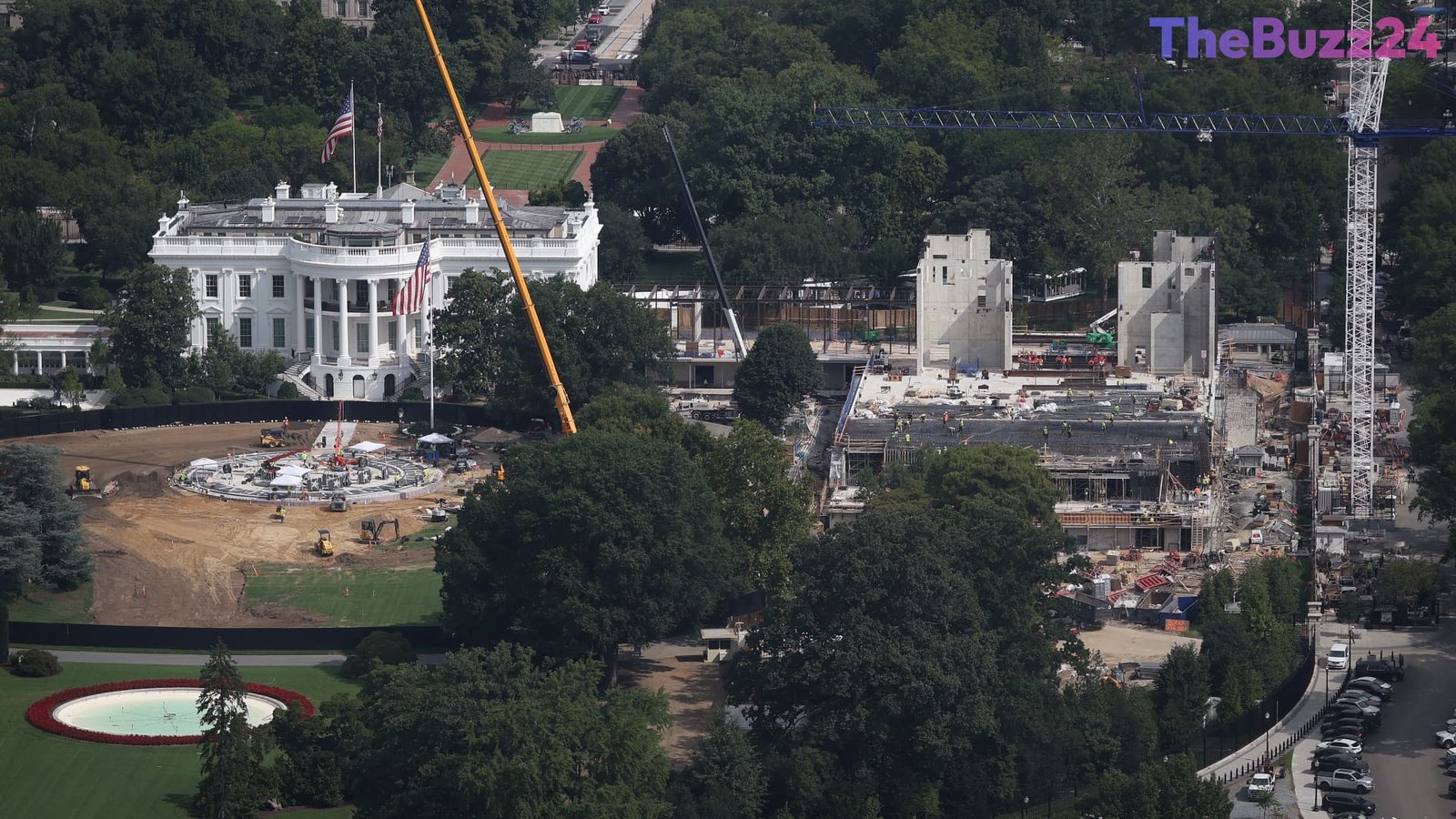
The highest court in the nation has granted temporary permission for the continuation of the contentious White House ballroom construction project initiated by President Donald Trump. Chief Justice John Roberts issued a stay against a lower federal court’s injunction that would have otherwise halted the development while an active legal challenge proceeds through the judicial system.
The administrative stay was enacted precisely as the district judge’s order was slated to take effect, though the ruling remains subject to potential review and modification by the full Supreme Court. The project, which involves a massive 90,000-square-foot structure estimated to cost upwards of $400 million, commenced after the demolition of the White House East Wing in 2025 without prior notification to Congress.
Reaction to the judicial decision has sharply divided political figures. President Trump celebrated the outcome on social media, defending the necessity of the development. Conversely, opposition leaders heavily criticized the decision, with key lawmakers vowing to persist in their legal efforts to halt what they characterize as an unauthorized and wasteful expenditure of public funds.
The underlying lawsuit, brought forward by the National Trust for Historic Preservation, contends that the administration bypassed mandatory authorization procedures and historical reviews required for modifications to the presidential estate. As the legal battle continues, construction on the grounds moves forward under the temporary protection of the Supreme Court’s order.
Key Takeaways
- Chief Justice John Roberts issued a stay blocking a lower court's injunction against the White House ballroom construction.
- The 90,000-square-foot project, estimated to cost $400 million, began following the 2025 demolition of the East Wing without congressional notification.
- The National Trust for Historic Preservation is actively suing to stop the project over a lack of required authorizations and reviews.
Editor’s Analysis & Impact
The Supreme Court’s decision to grant an administrative stay highlights the ongoing tension between executive authority and judicial oversight regarding federal property management. While this ruling provides a temporary green light for the continuation of the White House ballroom project, the broader legal challenge brought by preservation groups addresses critical precedents concerning executive overreach and adherence to historical review mandates. If the full Supreme Court ultimately decides to lift the stay, it could set a significant precedent for how future presidential infrastructure initiatives are scrutinized and regulated. Economically and politically, the project remains a flashpoint, symbolizing deep divisions over federal spending priorities and the preservation of national historical landmarks. The ultimate resolution of this lawsuit will likely shape the boundaries of executive discretion in modifying federal architectural heritage for decades to come.
Frequently Asked Questions
Q: Why was construction on the White House ballroom temporarily halted?
A: A federal district court judge issued an injunction stopping construction while a lawsuit challenging the project's legality and lack of authorization proceeded.
Q: Who filed the lawsuit against the White House ballroom project?
A: The National Trust for Historic Preservation filed the lawsuit, arguing that the administration failed to obtain necessary authorizations and reviews.
Q: How much is the White House ballroom project expected to cost?
A: The 90,000-square-foot project is projected to cost $400 million or more.
AI Disclosure: This article is based on verified data and official reports. Our Team and AI have cross-referenced every financial detail with primary sources to ensure total accuracy.
More from this Category