Tensions Escalate as U.S. and Iran Trade Strikes Amid Collapsing Truce
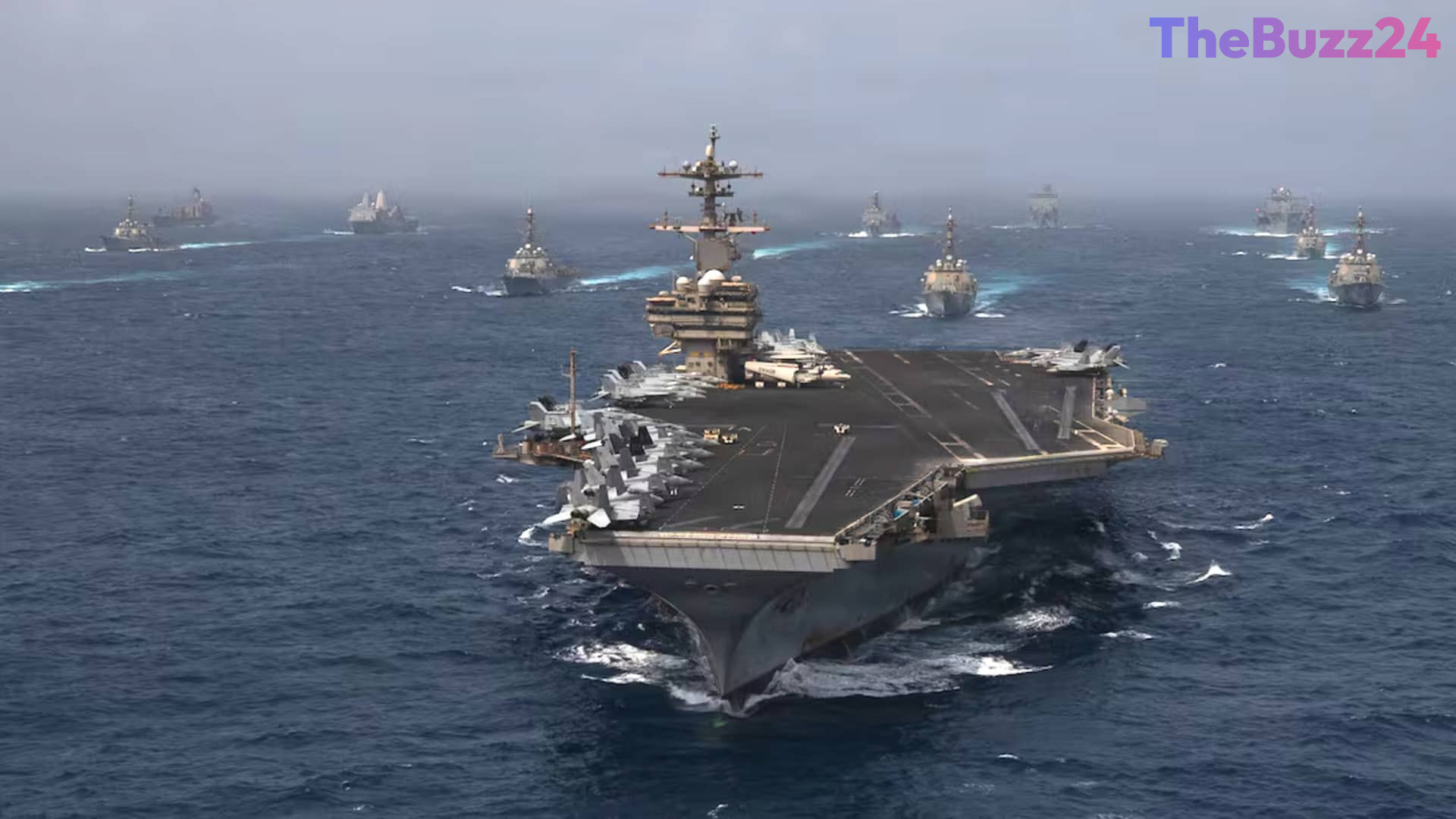
The fragile diplomatic efforts to stabilize the Middle East have suffered a significant setback as the United States concluded a seventh consecutive night of military strikes against Iran. The ongoing conflict, which has seen a rapid deterioration of the recent Islamabad Memorandum of Understanding, has resulted in intensified military operations, including U.S. efforts to enforce a naval blockade and Iranian retaliatory actions against regional infrastructure.
U.S. Central Command confirmed that the latest wave of airstrikes targeted critical military logistics, underground weapons storage facilities, and maritime capabilities. In response, Iranian officials have formally announced the suspension of their commitments under the interim agreement, citing alleged U.S. violations. The situation at sea remains volatile, with both nations reporting the interception and immobilization of commercial shipping vessels attempting to navigate the strategically vital Strait of Hormuz.
The regional impact of the conflict has expanded beyond direct U.S.-Iran engagements, with Kuwait and Bahrain reporting hostile drone and missile activity. Kuwaiti authorities noted that attacks on essential water and power infrastructure have disrupted daily life, while flight schedules have been significantly altered due to security concerns. Meanwhile, global energy markets have reacted sharply to the instability, with Brent crude and West Texas Intermediate futures seeing substantial gains as investors brace for prolonged supply chain disruptions.
Despite the escalating violence, the U.S. administration maintains that its military strategy is yielding results, though analysts warn of the increasing risk of a protracted conflict. As both sides continue to exchange fire and trade accusations, the prospect of a return to diplomatic negotiations appears increasingly distant, leaving the international community to grapple with the economic and security consequences of the deepening crisis.
Key Takeaways
- The Islamabad Memorandum of Understanding has effectively collapsed, with both the U.S. and Iran suspending their commitments.
- U.S. military strikes have targeted Iranian logistics and weapons storage, while Iran has retaliated with drone and missile attacks on regional infrastructure in Kuwait and Bahrain.
- Global oil prices have surged by approximately 16% over the past week as the conflict threatens the security of the Strait of Hormuz.
Editor’s Analysis & Impact
The current escalation represents a dangerous pivot from a ‘cold’ conflict to an active, multi-front regional war. The collapse of the Islamabad Memorandum removes the primary diplomatic guardrails that were intended to protect global shipping lanes. From a market perspective, the volatility in oil prices reflects deep-seated anxiety regarding the Strait of Hormuz, a critical chokepoint for global energy supplies. If the U.S. follows through on threats to target Iranian power and infrastructure, the risk of a wider regional conflagration increases exponentially. The broader implication is a shift toward a ‘forever war’ scenario, where tactical military superiority is undermined by a lack of clear strategic exit paths, potentially leading to sustained inflationary pressure on energy markets and long-term geopolitical instability in the Persian Gulf.
Frequently Asked Questions
Q: Why are oil prices rising in response to the conflict?
A: Oil prices are rising because the conflict is centered around the Strait of Hormuz, a vital maritime chokepoint for global oil shipments. Disruptions and the threat of a naval blockade create uncertainty regarding supply, driving up futures prices.
Q: What is the status of the Islamabad Memorandum of Understanding?
A: The agreement is currently considered defunct. Both the United States and Iran have officially announced the suspension of their commitments, citing violations by the other party.
AI Disclosure: This article is based on verified data and official reports. Our Team and AI have cross-referenced every financial detail with primary sources to ensure total accuracy.
More from this Category