The Cost of Intelligence: Why Communities Scarred by Heavy Industry Are Resisting the AI Data Center Boom
The rapid expansion of artificial intelligence is driving an unprecedented demand for data centers across the United States. However, this technological boom is colliding with local communities, particularly those historically burdened by heavy industrial pollution. In neighborhoods like Grays Ferry in Southwest Philadelphia—which spent decades in the shadow of the East Coast’s largest oil refinery—residents are organizing to prevent tech infrastructure from becoming the next source of environmental and public health distress.
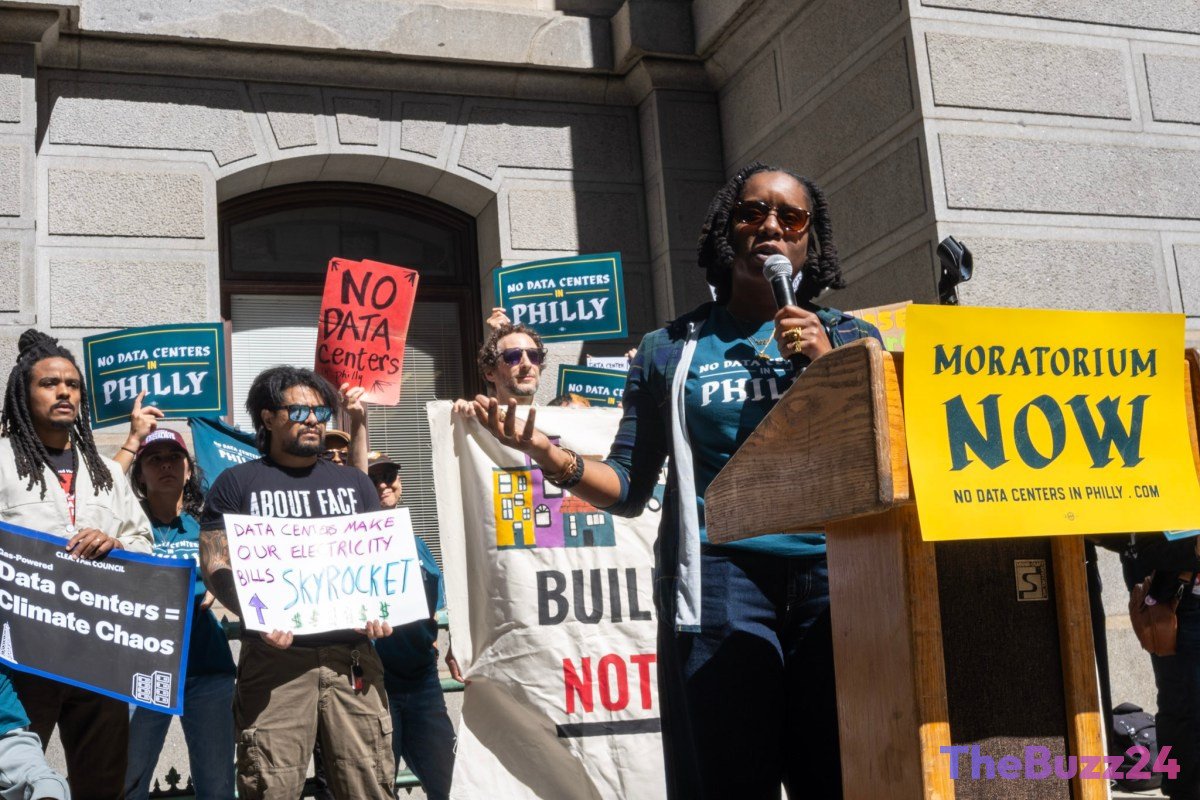
Activists with the environmental justice group Philly Thrive are leading a campaign for a data center moratorium in Philadelphia. Although no formal construction proposals have been submitted, city officials have earmarked potential sites, including Grays Ferry. Community leaders like Shawmar Pitts and Sonya Sanders argue that the promised economic benefits and jobs do not outweigh the potential for noise, pollution, and resource depletion. Sanders, whose husband passed away from cancer she attributes to the former refinery’s emissions, expressed deep skepticism over corporate promises that prioritize profit over community health.
While data centers do not emit the same direct toxins as oil refineries, their indirect environmental footprint is staggering. Projections indicate that by 2035, U.S. data centers will consume more natural gas than Germany and Japan combined. This surge in energy demand is expected to generate an additional 1 million metric tons of greenhouse gas emissions daily, representing roughly 12% of current U.S. emissions. Furthermore, clean air advocates warn that data centers often rely on hundreds of diesel backup generators, which could be activated during heatwaves to relieve pressure on overstressed electrical grids, worsening local air quality.
This resistance is not isolated to Philadelphia. Across the nation, local governments are responding to citizen concerns regarding utility bills, water depletion, and noise. New York Governor Kathy Hochul recently signed an executive order temporarily halting permits for major projects, emphasizing that data centers should only be built where they are welcomed. Similar moratoriums and pauses have been enacted in cities such as Denver, Indianapolis, Asheville, Charlotte, and Reno, as municipalities scramble to assess the long-term impacts of the AI infrastructure gold rush.
Key Takeaways
- Local communities, particularly those historically impacted by heavy industry, are actively protesting the construction of new AI data centers due to environmental and health concerns.
- By 2035, U.S. data centers are projected to consume more natural gas than Germany and Japan combined, potentially contributing an extra 1 million metric tons of greenhouse gas emissions daily.
- A growing number of U.S. cities and states, including New York, Denver, and Indianapolis, have implemented moratoriums or temporary pauses on data center permits to evaluate their impact on local resources.
Editor’s Analysis & Impact
The collision between the AI revolution and local environmental advocacy highlights a critical bottleneck for the tech sector: physical infrastructure constraints. As tech giants race to build out computational capacity for generative AI, they are running directly into the limitations of the U.S. power grid and rising public resistance. The projected energy demand of these facilities threatens to derail national carbon-reduction goals, forcing a reliance on natural gas and diesel backups. For investors and developers, this backlash means that the path of least resistance for data center placement is rapidly narrowing. Future project viability will likely depend on developers securing dedicated, clean energy sources—such as nuclear or geothermal—and demonstrating tangible, localized economic benefits to win over skeptical communities.
Frequently Asked Questions
Q: Why are local communities opposing AI data centers?
A: Residents are concerned about the massive consumption of electricity and water, noise pollution, increased utility bills, and the potential air pollution from diesel backup generators used during power grid emergencies.
Q: How much energy do these data centers actually use?
A: Data centers require immense power to run and cool servers. Projections suggest that by 2035, U.S. data centers will consume more natural gas than the entire nations of Germany and Japan combined, significantly increasing greenhouse gas emissions.
Q: What measures are governments taking to address these concerns?
A: Several cities and states have enacted temporary moratoriums or paused permitting processes. These pauses allow local officials to study the long-term impacts of data centers on local power grids, water supplies, and surrounding neighborhoods before approving new construction.
AI Disclosure: This article is based on verified data and official reports. Our Team and AI have cross-referenced every financial detail with primary sources to ensure total accuracy.
More from this Category