The Energy Bottleneck: TechCrunch Disrupt 2026 to Tackle AI’s Massive Power Demands
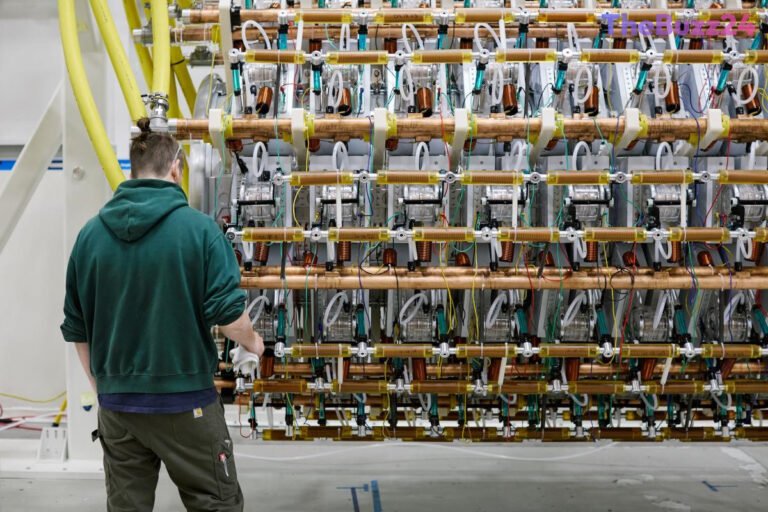
As artificial intelligence continues to evolve, the industry is facing a reality that extends far beyond software and algorithms: the physical infrastructure required to sustain such massive compute power. With energy demand reaching unprecedented levels, the upcoming TechCrunch Disrupt 2026, scheduled for October 13-15 at San Francisco’s Moscone Center, will dedicate its Smart Systems Stage to the critical intersection of energy, infrastructure, and technological innovation.
The event aims to address the growing strain on the global power grid, featuring insights from industry leaders at companies such as Commonwealth Fusion Systems, Helion, Inertia, and Bloom Energy. Discussions will center on the urgent need to modernize aging utility systems and the race among data center operators to secure reliable electricity sources. By bringing together founders, investors, and energy experts, the conference seeks to move beyond the hype of AI and focus on the hard engineering and economic realities of the next decade.
Key sessions will explore the viability of commercial fusion, the challenges of scaling power infrastructure, and the strategic shifts required to support the next wave of AI development. Notable speakers include Helion CEO David Kirtley, Commonwealth Fusion Systems Chief Science Officer Brandon Sorbom, and Inertia CEO Jeff Lawson. These panels are designed to provide a comprehensive look at the bottlenecks currently threatening to slow the pace of AI advancement, offering a roadmap for those building the foundational systems of the future.
Key Takeaways
- TechCrunch Disrupt 2026 will focus on the critical energy infrastructure required to support the rapid growth of artificial intelligence.
- Industry leaders from fusion and grid-modernization startups will discuss the path toward scaling sustainable power for data centers.
- The event highlights the shift in focus from software development to the physical engineering challenges that could act as a bottleneck for future AI innovation.
Editor’s Analysis & Impact
The focus on energy infrastructure at a major technology conference signals a maturing AI market. For years, the industry was obsessed with model performance and parameter counts; now, the conversation has shifted to the ‘physicality’ of AI. The market impact is significant: energy providers and fusion startups are becoming as vital to the AI supply chain as chip manufacturers like NVIDIA. Investors are increasingly looking at grid modernization and alternative energy as ‘picks and shovels’ plays for the AI boom. The future outlook suggests that companies capable of solving the power density and distribution problem will command massive valuations, as the current grid is simply not equipped to handle the projected load of hyperscale data centers. This transition marks a broader trend where tech companies are becoming de facto energy companies to ensure their own operational continuity.
Frequently Asked Questions
Q: Why is AI considered a threat to the current power grid?
A: AI models require massive amounts of compute power, which translates to high electricity consumption. As data centers scale, the demand for power often exceeds the capacity of local grids, leading to potential instability and the need for significant infrastructure upgrades.
Q: What role does fusion energy play in the future of AI?
A: Fusion energy is viewed as a potential solution to provide the massive, carbon-free, and consistent baseload power that AI data centers require, potentially bypassing the limitations and environmental concerns associated with traditional energy sources.
AI Disclosure: This article is based on verified data and official reports. Our Team and AI have cross-referenced every financial detail with primary sources to ensure total accuracy.
More from this Category