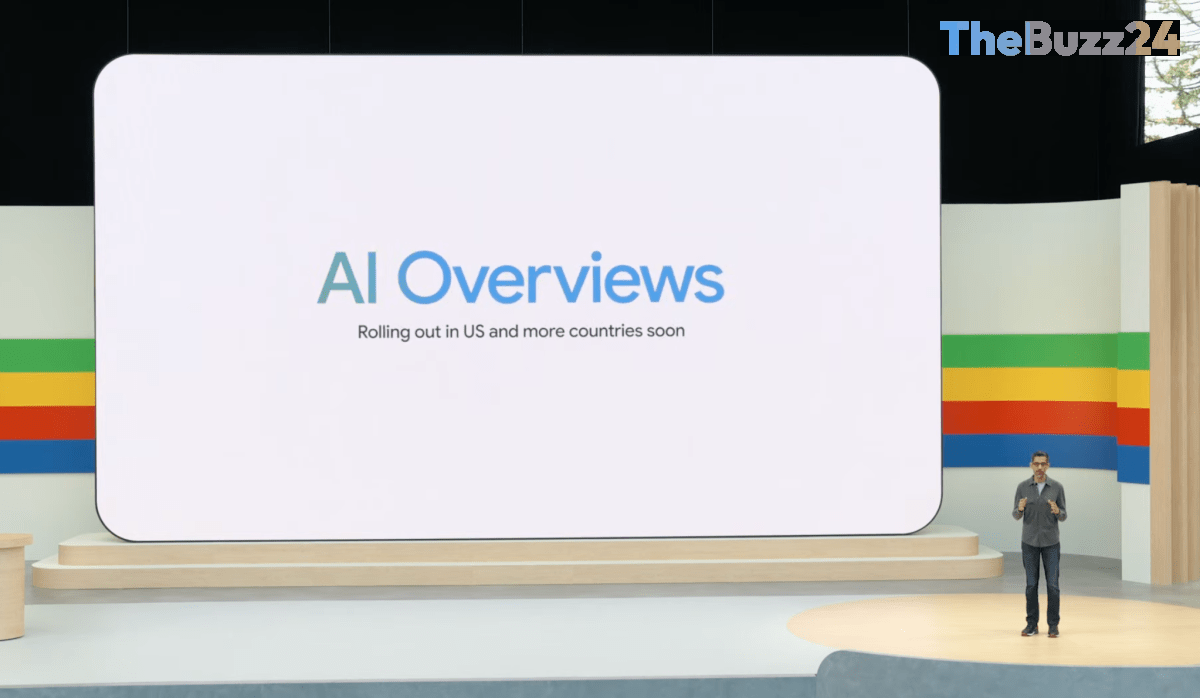
The Evolution of Search: How Google’s AI Overviews Are Redefining Web Navigation
The landscape of internet search is undergoing a fundamental transformation as Google shifts from a directory of external links to a self-contained destination for information. Recent data highlights a significant surge in the prevalence of AI Overviews, which have expanded from appearing in 15% of search results to 43% over the past year. This transition marks a departure from the traditional model of providing users with a list of blue links, moving instead toward a conversational interface where the search engine synthesizes answers directly.
This shift is reflected in user behavior, with visits to Google’s conversational AI mode more than doubling within a twelve-month period. As users adapt to these tools, search queries are becoming longer and more natural, replacing concise keyword-based inputs with complex questions. Consequently, users are spending more time within the Google ecosystem, effectively turning the search engine into a primary destination rather than a gateway to the broader web.
For content creators and publishers, this evolution presents a complex challenge. The rise of AI-generated summaries has led to a decline in referral traffic, as users often find the information they need without clicking through to original sources. While the number of AI responses featuring citations has increased fivefold, the impact on website traffic remains a point of contention. Some platforms are now exploring defensive measures, such as blocking AI crawlers, while others are seeing a slight recovery in traffic as search algorithms begin to prioritize more prominent links within AI-driven results.
Key Takeaways
- Google's AI Overviews now appear in 43% of search results, up from 15% just one year ago.
- User search habits are shifting toward longer, conversational queries, keeping users on the Google platform for longer durations.
- Publishers are facing reduced referral traffic, though recent updates have shown a slight improvement in click-through rates for some AI-driven results.
Editor’s Analysis & Impact
The transition toward AI-integrated search represents a pivotal moment for the digital economy. By prioritizing direct answers over referral traffic, Google is effectively cannibalizing the traditional ‘gateway’ model that sustained the open web for decades. This shift forces a reckoning for publishers, who must now balance the necessity of visibility in AI summaries against the loss of direct site traffic. The long-term implication is a potential ‘walled garden’ effect, where the value of content is extracted by the platform rather than the creator. Future market dynamics will likely hinge on whether AI companies can establish sustainable revenue-sharing models with publishers or if legal and technological barriers will force a compromise in how information is indexed and presented.
Frequently Asked Questions
Q: Why are publishers concerned about Google's AI Overviews?
A: Publishers are concerned because AI Overviews provide direct answers to user queries, which often reduces the likelihood of users clicking through to the original source website, thereby decreasing referral traffic and ad revenue.
Q: Are users still clicking on links in AI-driven search results?
A: Yes, while the trend favors AI-generated summaries, recent data indicates that when prominent links are provided within these AI responses, users are increasingly utilizing them to navigate to external websites.
AI Disclosure: This article is based on verified data and official reports. Our Team and AI have cross-referenced every financial detail with primary sources to ensure total accuracy.
More from this Category