The Hidden Cost of Remote Work: Why Recent Graduates Are Struggling to Find Jobs
The rise of remote and hybrid work environments is significantly impacting the job market for recent college graduates, according to recent economic analysis. Data indicates that the unemployment rate for young college graduates has climbed to 5.6% as of March 2026, up from 3.6% in 2019. Researchers suggest that the shift toward distributed teams is a primary driver behind this trend, accounting for an estimated 64% of the recent increase in youth unemployment.
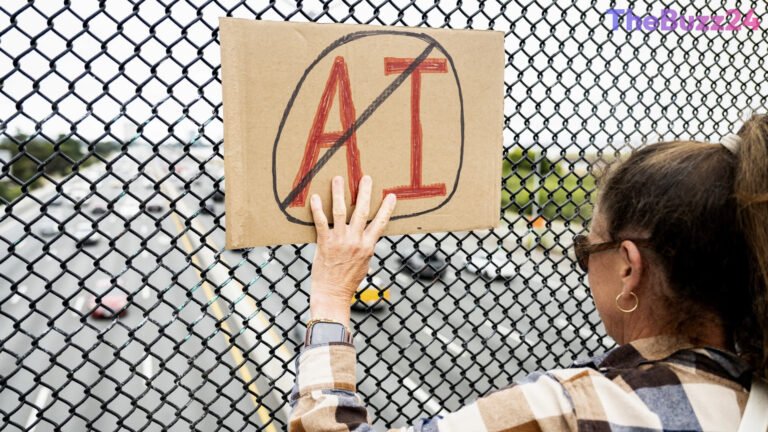
At the heart of the issue is the difficulty of providing mentorship and on-the-job training in a virtual setting. Employers are increasingly hesitant to hire entry-level staff who require hands-on guidance, as remote structures often impede the organic learning processes that typically occur in a physical office. While artificial intelligence has been a frequent scapegoat for entry-level hiring challenges, this research suggests that the structural change in how and where work is performed has had a more profound effect on the ability of young professionals to secure their first roles.
This trend creates a concerning outlook for the workforce, as early-career experiences are critical for long-term professional development. When young workers are separated from their more experienced colleagues, they often receive less feedback and fewer opportunities for professional growth. While some experts argue that remote work expands the labor supply by offering flexibility, the data highlights a clear friction point: companies are struggling to integrate inexperienced talent into distributed models, potentially leaving a generation of graduates at a disadvantage.
Key Takeaways
- Remote work is estimated to account for 64% of the recent rise in unemployment among young college graduates.
- Employers are finding it difficult to provide necessary mentorship and training to inexperienced workers in distributed or remote environments.
- Early-career job market struggles may have long-term consequences for the professional development and earning potential of Gen Z workers.
Editor’s Analysis & Impact
The findings present a significant challenge for the modern labor market, highlighting a ‘mentorship gap’ created by the shift to remote work. While remote work offers undeniable benefits for productivity and employee retention among experienced staff, it creates a barrier to entry for those who rely on observational learning and direct supervision. Companies must now grapple with the trade-off between the flexibility of remote operations and the necessity of cultivating a pipeline of future talent. If businesses do not intentionally design hybrid onboarding programs that prioritize face-to-face mentorship, they risk creating a permanent class of underemployed graduates. The long-term implication is a potential stagnation in skill development, which could eventually lead to a talent shortage in mid-to-senior level roles as the current cohort of graduates fails to gain the necessary experience.
Frequently Asked Questions
Q: Why does remote work make it harder for recent graduates to get hired?
A: Remote work environments often lack the infrastructure for effective on-the-job training and mentorship, making it difficult for employers to integrate and develop inexperienced staff who require consistent guidance.
Q: Is remote work the only reason for the rise in youth unemployment?
A: No, while remote work is a significant factor, other elements such as economic shifts and the integration of artificial intelligence also play roles in the changing landscape of entry-level employment.
AI Disclosure: This article is based on verified data and official reports. Our Team and AI have cross-referenced every financial detail with primary sources to ensure total accuracy.
More from this Category