Cowboy Space Secures $275M to Build Its Own Rockets for Orbital AI Data Centers
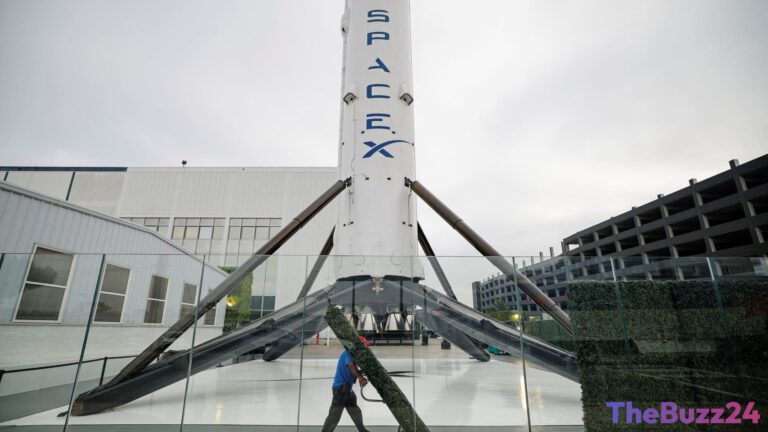
The skyrocketing demand for artificial intelligence processing power is driving tech innovators to look beyond Earth, but a critical bottleneck remains: a severe shortage of affordable, available rockets to launch orbital data centers. To bypass this logistical hurdle, Cowboy Space Corporation has announced a massive $275 million Series B funding round, valuing the company at $2 billion. Led by Index Ventures, with participation from Breakthrough Energy Ventures, Construct Capital, IVP, and SAIC, the capital injection will fund the startup’s ambitious pivot to build its own dedicated rocket program.
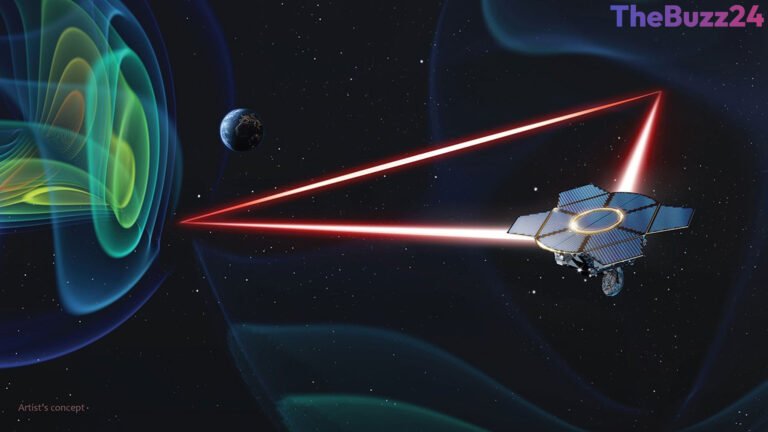
Founded in 2024 by Robinhood co-founder Baiju Bhatt under the name Aetherflux, the startup originally aimed to beam solar energy from space to Earth. However, the immense power requirements of orbital AI processing led the company to pivot toward utilizing that energy directly in space. After realizing that existing launch providers like SpaceX and Blue Origin could not offer the capacity or unit economics needed to scale an orbital data center network, Bhatt decided that building a proprietary launch vehicle was the only viable path forward.
Cowboy Space plans to simplify its rocket design by integrating the data centers directly into the vehicle’s second stage, a design reminiscent of early space exploration missions like Explorer 1. Each massive satellite is projected to weigh between 20,000 and 25,000 kilograms, generating 1 megawatt of power to support approximately 800 onboard GPUs. The custom rocket, designed to be slightly more powerful than a SpaceX Falcon 9, is slated for its inaugural launch before the end of 2028.
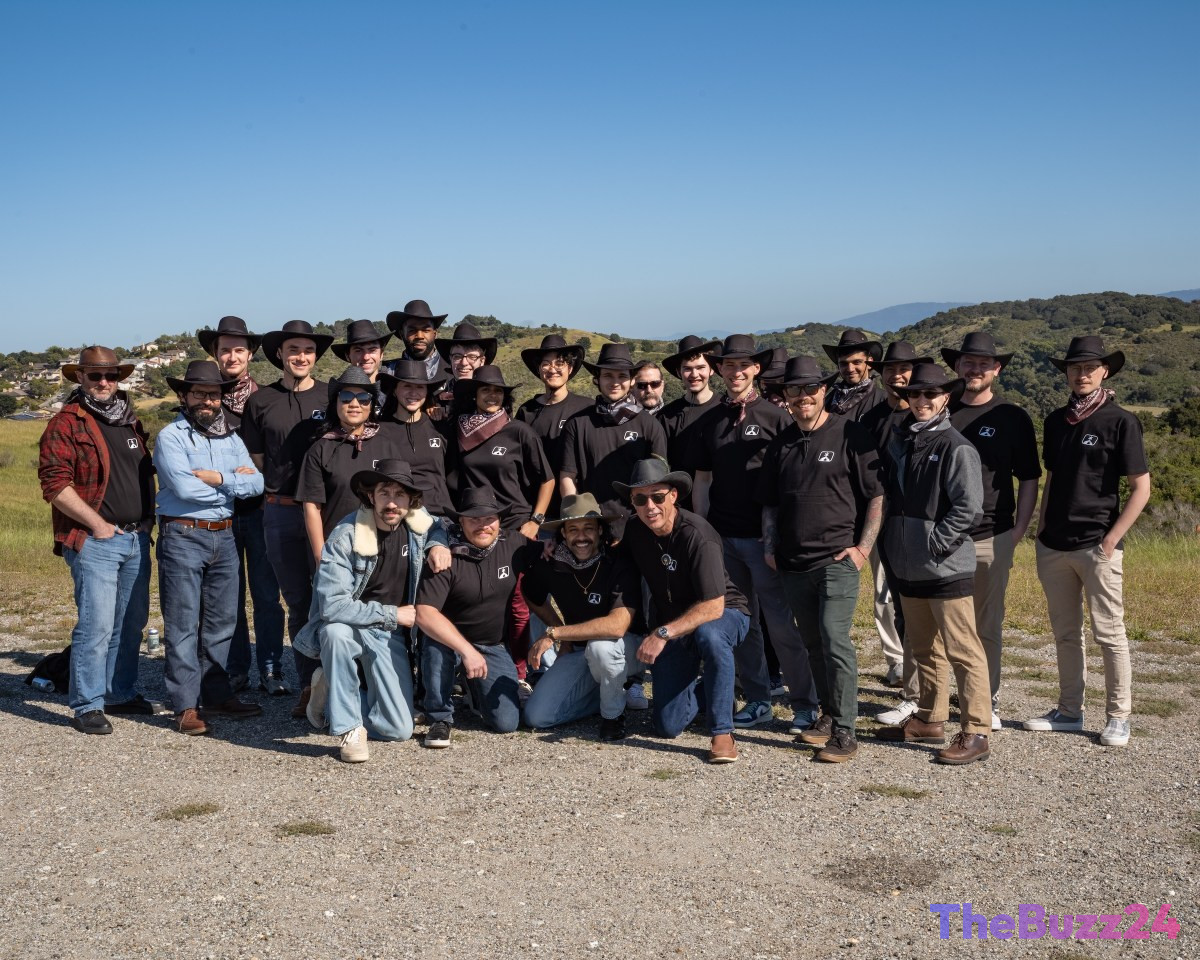
To execute this highly complex engineering feat, the company has recruited top-tier talent, including former Blue Origin propulsion engineer Warren Lamont and former SpaceX launch director Tyler Grinne. While entering the rocket manufacturing sector places Cowboy Space in direct competition with established aerospace giants, the company believes the soaring demand for terrestrial AI alternatives and the limited capacity on Earth will create a highly lucrative market for space-based computation.
Key Takeaways
- Cowboy Space Corporation raised $275 million at a $2 billion valuation to build its own rockets for launching orbital data centers.
- The startup pivoted from space-based solar power to orbital AI computing after realizing external launch capacity was too scarce and expensive.
- The company's custom rockets will integrate 1-megawatt, GPU-enabled data centers directly into their second stages, with a target launch by late 2028.
Editor’s Analysis & Impact
The decision by Cowboy Space to build its own rockets highlights a growing crisis in the commercial space sector: a severe launch capacity bottleneck. While SpaceX’s Starship and Blue Origin’s New Glenn promise massive payloads, their internal priorities and development delays leave commercial customers stranded. By vertically integrating launch vehicles and data center payloads, Cowboy Space bypasses this bottleneck, but at an immense capital and technical risk. Rocket development is notoriously difficult, with many well-funded startups spending years in development. However, if successful, Cowboy Space could pioneer a highly lucrative niche. Terrestrial data centers are facing severe power grid constraints and environmental pushback; shifting high-density AI workloads to orbit, powered by direct solar energy, represents a radical but potentially necessary evolution for the next generation of compute infrastructure.
Frequently Asked Questions
Q: Why is Cowboy Space building its own rockets instead of using existing launch providers?
A: The company found that existing launch capacity is too scarce and expensive to scale an orbital data center business competitively compared to terrestrial alternatives.
Q: How will the orbital data centers be designed?
A: The data centers will be built directly into the second stage of the rocket. Each satellite will weigh 20,000 to 25,000 kg and generate 1 megawatt of power to run roughly 800 onboard GPUs.
Q: When does Cowboy Space plan to launch its first rocket?
A: The company is targeting its inaugural launch before the end of 2028.
AI Disclosure: This article is based on verified data and official reports. Our Team and AI have cross-referenced every financial detail with primary sources to ensure total accuracy.
More from this Category