Global Regulatory Pressure Mounts Against Proposed Paramount-Warner Bros. Discovery Merger
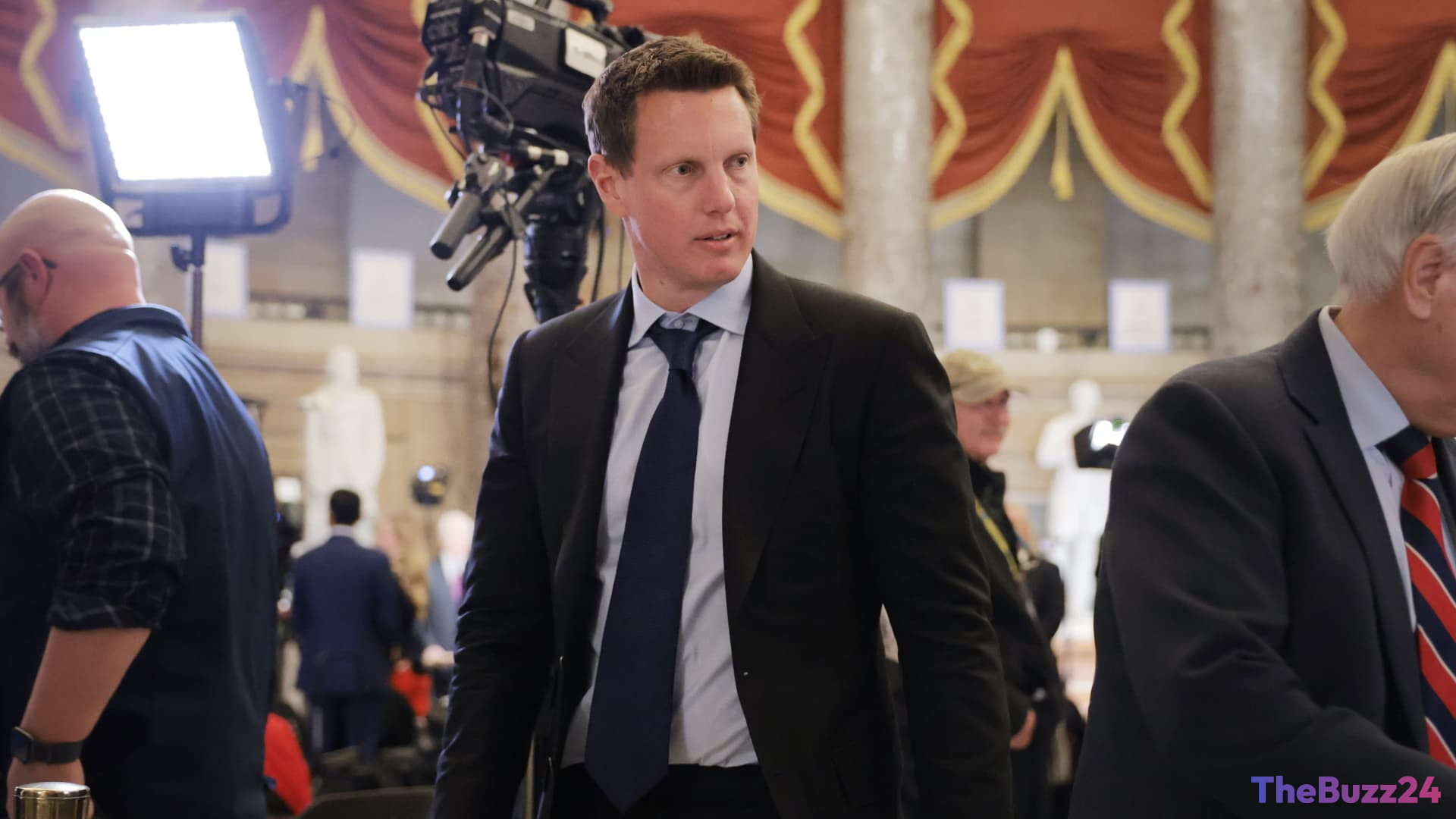
A coalition of legislators from the United States and the European Union has signaled a rigorous oversight process for the proposed acquisition of Warner Bros. Discovery by Paramount. Spearheaded by Skydance CEO David Ellison, the massive consolidation effort is expected to face exhaustive scrutiny from antitrust regulators on both sides of the Atlantic. Officials have emphasized that any internal shareholder agreements will not bypass the mandatory government review processes required for a deal of this magnitude.
In a joint statement, lawmakers expressed significant concerns regarding the potential impact on the global media landscape. The primary anxieties center on the reduction of market competition in film production, television, content licensing, and streaming services. Legislators warned that such a high level of consolidation could lead to diminished consumer choice and increased costs for both streaming subscriptions and theatrical tickets, challenging the narrative that the merger would be a straightforward regulatory approval.
Beyond market competition, the deal has sparked debates over editorial integrity and national security. The scrutiny is intensified by recent leadership changes at CBS News and the financial structure of the $31-per-share transaction. With approximately $24 billion of the funding provided by Gulf state sovereign wealth funds, regulators are evaluating the deal under the lens of foreign influence. This has prompted potential reviews by the Committee on Foreign Investment in the United States (CFIUS) and the European Union’s Foreign Subsidies Regulation, as governments increasingly prioritize the protection of cultural and media assets from foreign control.
Key Takeaways
- U.S. and EU lawmakers have confirmed that the Paramount-Warner Bros. Discovery merger will face strict regulatory reviews regardless of shareholder support.
- The deal faces intense opposition due to fears that market consolidation will stifle competition and increase costs for consumers.
- The reliance on $24 billion in Gulf state funding has triggered national security concerns and potential oversight from international regulatory bodies.
Editor’s Analysis & Impact
The proposed merger between Paramount and Warner Bros. Discovery serves as a critical test case for the future of global media consolidation. By attempting to unite two historic entertainment giants, the deal faces a dual threat: traditional antitrust concerns regarding market dominance and modern geopolitical anxieties regarding foreign sovereign wealth investment. The industry is currently at a crossroads where the drive for scale in the streaming wars is clashing with a heightened regulatory environment that is increasingly skeptical of media concentration. If this deal fails or is heavily conditioned, it will likely set a restrictive precedent for future cross-border media acquisitions. Conversely, if it proceeds, it may force regulators to redefine how they assess the intersection of editorial independence, national security, and market competition in an era of globalized capital.
Frequently Asked Questions
Q: Why are lawmakers scrutinizing the Paramount-Warner Bros. Discovery merger?
A: Lawmakers are concerned that the merger will create a monopoly-like entity, reducing competition in film and streaming, which could lead to higher prices and fewer options for consumers.
Q: What role does foreign funding play in the regulatory review of this deal?
A: The deal is backed by $24 billion from Gulf state sovereign wealth funds, which has raised national security concerns and triggered potential investigations by the Committee on Foreign Investment in the United States (CFIUS) and EU regulators.
AI Disclosure: This article is based on verified data and official reports. Our Team and AI have cross-referenced every financial detail with primary sources to ensure total accuracy.
More from this Category