Truecaller Pivots to eSIM Market to Diversify Revenue Streams
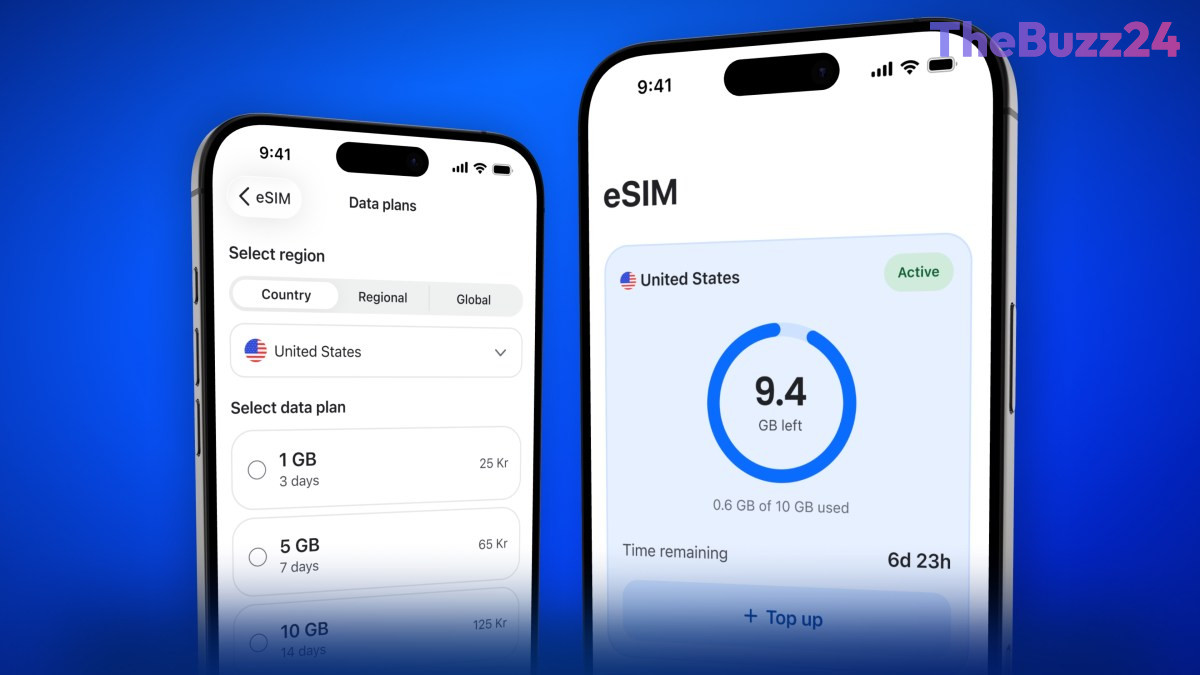
Truecaller has officially entered the eSIM market, marking a strategic shift for the communication platform as it seeks to move beyond its traditional advertising-based business model. The new service is specifically designed for international travelers, offering a range of data packages that include short-term options like 1 GB for a week or more substantial 20 GB monthly plans. By integrating this service directly into its application, the company aims to provide a seamless connectivity solution for its global user base.
The initial rollout covers 29 countries across Europe, North America, Africa, and Asia. Notably, the service is currently unavailable in India, a major market for the company, likely due to the complex regulatory environment surrounding telecommunications and eSIM technology in that region. To facilitate this launch, Truecaller has formed strategic partnerships with connectivity provider Telna and software developer Telness Tech, ensuring the technical infrastructure is robust enough to handle international roaming demands.
This expansion comes at a critical time for the company, which has faced significant financial headwinds following a decline in advertising revenue. With a massive network of over 500 million monthly active users, Truecaller is betting that it can successfully convert a portion of its audience into paying subscribers for its connectivity services. While the company faces stiff competition from established travel-tech firms like Airalo and Saily, its existing brand recognition and massive user footprint provide a unique advantage in the crowded digital connectivity space.
Key Takeaways
- Truecaller is launching an eSIM service to diversify its income and reduce reliance on advertising revenue.
- The service is currently available in 29 countries, though it excludes India due to regulatory constraints.
- The company is leveraging its 500 million monthly active users to compete against established players in the travel connectivity market.
Editor’s Analysis & Impact
Truecaller’s entry into the eSIM market is a textbook example of a platform company attempting to pivot from a volatile advertising model to a more stable, recurring subscription-based revenue stream. The travel eSIM sector is currently experiencing a gold rush, but it is also becoming increasingly saturated. Truecaller’s primary competitive advantage is its massive, pre-existing user base, which lowers the customer acquisition cost significantly compared to standalone travel apps. However, the success of this venture will hinge on the company’s ability to provide a frictionless user experience and competitive pricing. If successful, this move could set a precedent for other utility-based apps to monetize their reach through value-added services, signaling a broader industry shift toward diversified, service-oriented business models in the tech sector.
Frequently Asked Questions
Q: Why is Truecaller launching an eSIM service?
A: The company is launching the service to create new revenue streams and mitigate the financial impact of a decline in its traditional advertising income.
Q: Which companies are partnering with Truecaller for this launch?
A: Truecaller is collaborating with connectivity provider Telna and software firm Telness Tech to power its eSIM infrastructure.
Q: Is the eSIM service available globally?
A: The service is currently available in 29 countries across Europe, North America, Africa, and Asia, but it is not yet available in India.
AI Disclosure: This article is based on verified data and official reports. Our Team and AI have cross-referenced every financial detail with primary sources to ensure total accuracy.
More from this Category