Diplomatic Crossroads: Trump Sets Terms for Potential Iran Peace Deal
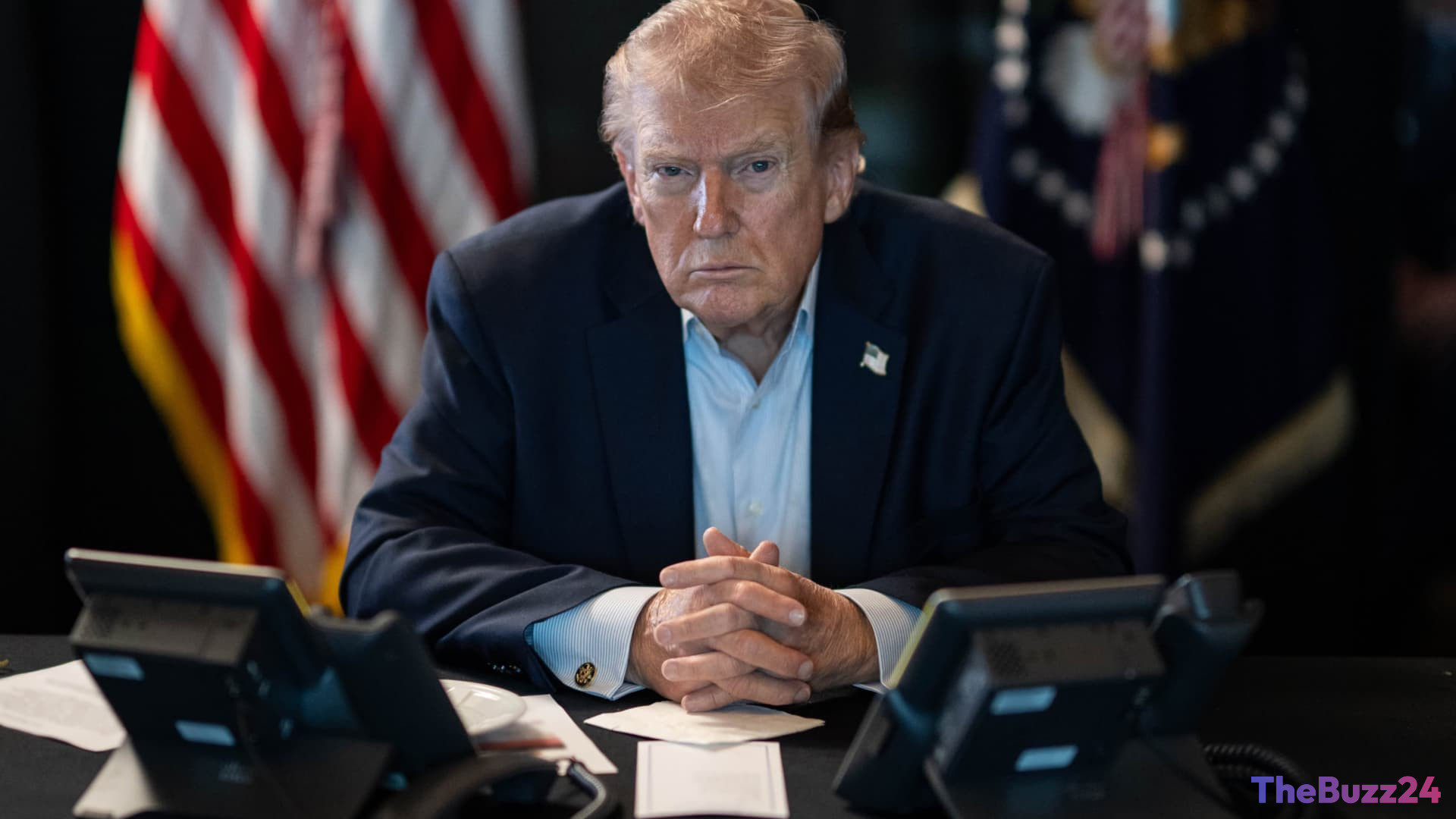
President Donald Trump has outlined a definitive path toward resolving the ongoing conflict with Iran, presenting a 14-article proposal that could end hostilities and restore stability to the Strait of Hormuz. The administration has made it clear that while a peaceful resolution is the preferred outcome, the alternative involves a significant escalation of military operations should Tehran reject the proposed terms.
The proposed framework centers on a comprehensive agreement that includes a moratorium on Iran’s nuclear enrichment activities in exchange for the lifting of U.S. sanctions. Additionally, the deal mandates a mutual commitment to ensure the safety and freedom of international maritime transit in the Strait of Hormuz. Currently, officials are awaiting a formal response from Iranian leadership regarding the viability of these conditions.
Global markets have reacted positively to the prospect of a breakthrough, with oil prices retreating and stock indices in the U.S. and Europe seeing gains. Despite this optimism, the situation remains precarious. While a ceasefire has been in place since early April, the region has experienced intermittent skirmishes. To demonstrate commitment to the diplomatic process, the U.S. has temporarily suspended ‘Project Freedom,’ a naval escort operation, as both nations enter a critical 48-hour window to finalize the agreement.
Key Takeaways
- President Trump has presented a 14-article proposal to Iran, linking a potential peace deal to the lifting of sanctions and a nuclear enrichment freeze.
- The U.S. has paused 'Project Freedom' naval operations to foster a diplomatic environment, though military escalation remains a threat if talks fail.
- Global financial markets have responded with optimism, evidenced by falling oil prices and rising stock futures.
Editor’s Analysis & Impact
The potential resolution of the U.S.-Iran conflict represents a significant geopolitical pivot that could fundamentally reshape energy markets and regional security. By tying the reopening of the Strait of Hormuz to a broader nuclear and sanctions framework, the administration is attempting to address multiple security concerns simultaneously. If successful, this deal would likely lead to a sustained cooling of oil prices and a reduction in global inflationary pressures linked to energy volatility. However, the fragility of the current ceasefire and the history of mistrust between the two nations suggest that implementation will be the true test. Investors should remain cautious, as the failure of these negotiations would likely trigger a sharp, aggressive market correction and a period of heightened geopolitical instability in the Middle East.
Frequently Asked Questions
Q: What are the core components of the proposed peace deal?
A: The proposal includes a moratorium on Iranian nuclear enrichment, the removal of U.S. sanctions, and a mutual agreement to guarantee safe maritime transit through the Strait of Hormuz.
Q: What is 'Project Freedom'?
A: 'Project Freedom' is a U.S. military operation designed to provide naval escorts for commercial vessels navigating the Strait of Hormuz, which has been temporarily paused to facilitate diplomatic negotiations.
AI Disclosure: This article is based on verified data and official reports. Our Team and AI have cross-referenced every financial detail with primary sources to ensure total accuracy.
More from this Category