The Moral Divide: Conservative Catholic Support for Trump Faces Growing Scrutiny
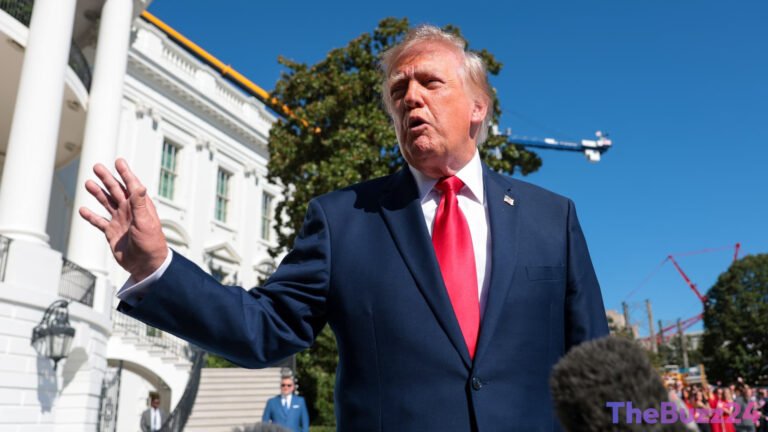
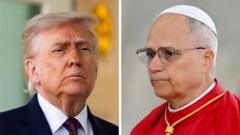
A widening ideological chasm is emerging between Donald Trump and his traditionalist Catholic supporters, fueled by a series of public confrontations involving the Vatican. The friction, which has been building for months, reached a boiling point following the former president’s disparaging remarks regarding the Pope’s stance on crime and the circulation of a controversial AI-generated image that many religious leaders found deeply offensive. These incidents have forced many within the conservative Catholic community to re-evaluate their political allegiances.
Beyond the personal clashes, the administration’s foreign policy—specifically regarding the conflict in Iran—has become a major point of contention. Prominent religious figures, including Bishop Joseph Strickland, have publicly denounced the administration’s military approach, arguing that it fails to meet the theological standards of a ‘just war.’ This vocal opposition underscores a broader anxiety among the Catholic right that political posturing is being prioritized over the moral tenets of their faith.
Political observers note that this rift poses a significant threat to the administration’s ability to maintain its coalition of religious voters. While American Catholics have historically been a divided demographic, the current unified pushback against foreign policy decisions suggests that moral imperatives are beginning to supersede traditional partisan loyalty. As the Vatican continues to advocate for peace, the administration remains steadfast in its rhetoric, setting the stage for a potential shift in voting patterns that could reshape the conservative movement’s electoral foundation.
Key Takeaways
- Conservative Catholic leaders are distancing themselves from Donald Trump due to his rhetoric toward the Pope and his stance on the conflict in Iran.
- Prominent figures like Bishop Joseph Strickland have publicly criticized the administration's war policies, citing moral concerns.
- The tension suggests that moral and religious considerations may be outweighing partisan loyalty for some Catholic voters, potentially impacting future election cycles.
Editor’s Analysis & Impact
The fraying relationship between Donald Trump and the conservative Catholic base represents a critical juncture in American political coalition-building. Historically, the ‘Catholic vote’ has been a swing demographic, but the alignment of traditionalist Catholics with the Republican platform has been a pillar of recent electoral success. By challenging the moral authority of the Vatican, the former president risks alienating a constituency that views its faith as non-negotiable. If this dissent continues to grow, it could lead to a ‘moral realignment’ where religious voters prioritize institutional integrity over partisan policy. The administration’s refusal to de-escalate suggests a strategy of doubling down on populist rhetoric, which may energize a base that favors confrontation, but it simultaneously threatens to erode the support of moderate religious voters who are increasingly uncomfortable with the tone of the current political discourse.
Frequently Asked Questions
Q: Why are conservative Catholics distancing themselves from Donald Trump?
A: The distance is primarily due to the former president's aggressive rhetoric toward the Pope and his administration's military policies in Iran, which many religious leaders argue violate the moral criteria of a 'just war.'
Q: What role did an AI-generated image play in this conflict?
A: The sharing of a controversial AI-generated image by the former president was viewed by many in the Catholic community as disrespectful to the papacy, acting as a catalyst for the current public dissent.
AI Disclosure: This article is based on verified data and official reports. Our Team and AI have cross-referenced every financial detail with primary sources to ensure total accuracy.
More from this Category