UAE Charts Independent Path with Historic Exit from OPEC+ Alliance
In a landmark shift for the global energy market, the United Arab Emirates has officially announced its departure from OPEC and the broader OPEC+ coalition. Energy Minister Suhail Mohamed Al Mazrouei characterized the move as a strategic economic realignment centered on the nation’s long-term interests. This transition marks the end of decades of membership and is described not as a result of political friction, but as a calculated step to better manage national production policies and future energy capabilities. The UAE remains committed to its reputation as a reliable global supplier and intends to continue supporting international market stability from outside the organization.
Historically, the UAE has been a cornerstone of the oil cartel, maintaining significant spare production capacity second only to Saudi Arabia. This capacity has traditionally served as a vital buffer for the global economy, allowing for rapid output increases during supply shocks. By exiting the group, the UAE gains greater autonomy over its output levels, moving away from the restrictive production quotas that have defined the alliance’s strategy in recent years. This sovereign choice reflects an evolving energy landscape where the nation seeks to maximize its own resource potential.
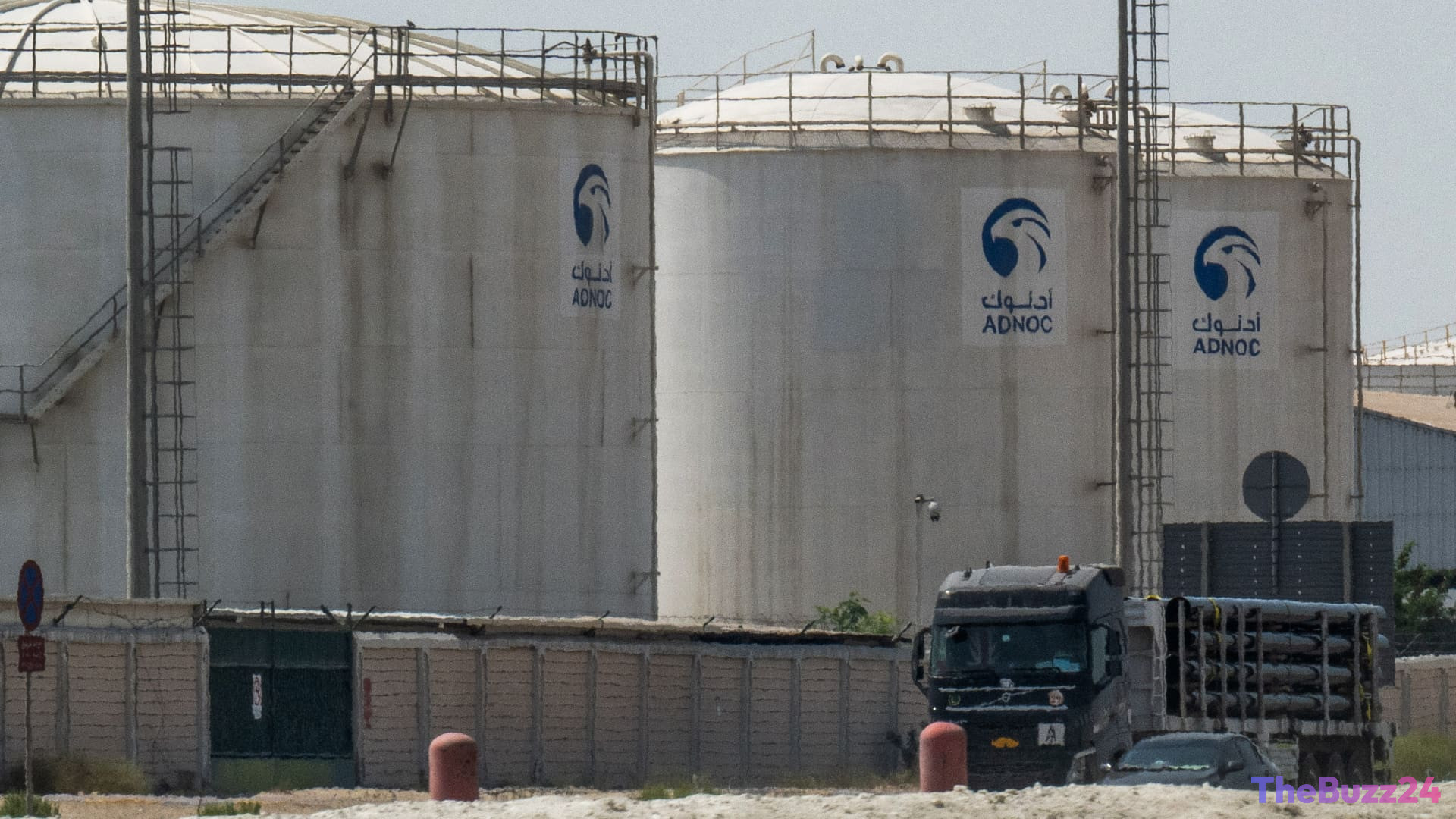
Central to this new era of independence is a massive investment in domestic energy infrastructure. The UAE is currently accelerating the development of a strategic West-East pipeline, a project designed to bypass the volatile Strait of Hormuz. Scheduled for completion in 2027, this initiative is expected to double the export capacity of the Abu Dhabi National Oil Company (ADNOC). By securing alternative export routes and expanding its logistical footprint, the UAE is positioning itself to maintain a consistent flow of crude to global markets regardless of regional geopolitical uncertainties.
Key Takeaways
- The UAE is exiting OPEC and OPEC+ to gain full autonomy over its national oil production and economic strategy.
- The decision is driven by a desire to utilize significant spare capacity that was previously restricted by group quotas.
- A new West-East pipeline project will double ADNOC's export capacity and bypass the Strait of Hormuz by 2027.
Editor’s Analysis & Impact
The UAE’s departure from OPEC+ represents a seismic shift in the geopolitics of energy. For years, tension has simmered regarding production quotas that the UAE felt did not reflect its massive capital investments in production capacity. By breaking away, the UAE can now monetize its resources at a pace that suits its ‘Vision 2031’ economic goals. This move potentially weakens OPEC’s collective bargaining power and price-setting influence, as one of its most capable members is no longer bound by its rules. Furthermore, the focus on bypassing the Strait of Hormuz via new pipeline infrastructure suggests the UAE is preparing for a future where it acts as a primary, secure alternative to more volatile regional suppliers. Investors should watch for a potential increase in global supply as the UAE ramps up its independent output.
Frequently Asked Questions
Q: Why did the UAE decide to leave OPEC+?
A: The decision was based on a strategic evaluation of national interests, allowing the UAE to have full control over its production levels and better leverage its significant investments in energy infrastructure.
Q: Will this move affect global oil prices?
A: While the UAE has expressed a commitment to market stability, its exit allows it to increase production independently of OPEC quotas, which could lead to higher global supply and impact pricing dynamics.
Q: What is the significance of the new West-East pipeline?
A: The pipeline is designed to bypass the Strait of Hormuz, a major maritime chokepoint, ensuring that the UAE can export oil safely even during regional geopolitical conflicts.
AI Disclosure: This article is based on verified data and official reports. Our Team and AI have cross-referenced every financial detail with primary sources to ensure total accuracy.
More from this Category