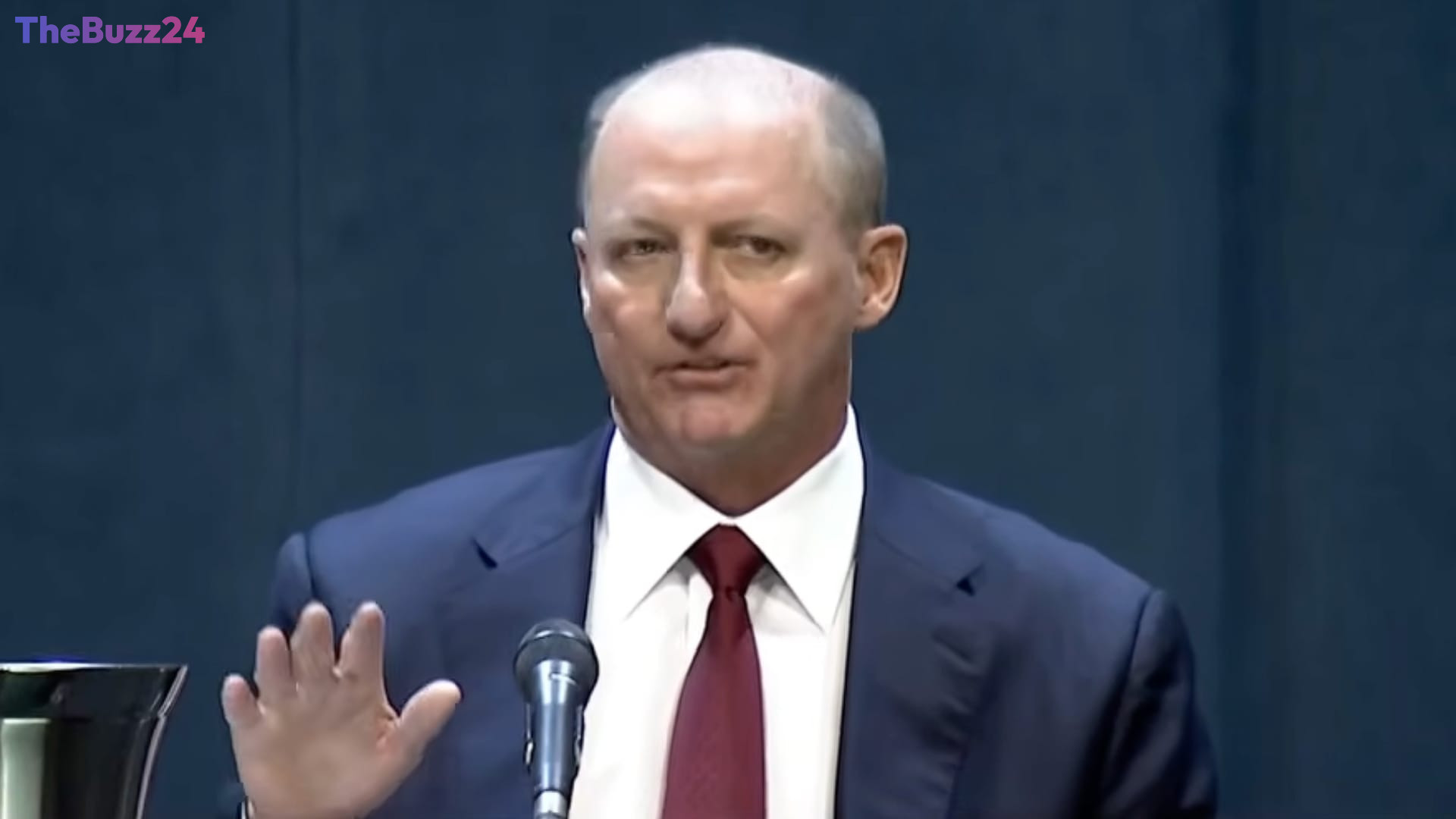
Berkshire Hathaway Reshapes Portfolio: Massive Alphabet Boost and Return to Airlines Signal New Era Under Greg Abel
Berkshire Hathaway has embarked on a sweeping reorganization of its multi-billion-dollar equity portfolio, marking a definitive shift in strategy under the leadership of Chief Executive Officer Greg Abel. This major first-quarter overhaul represents a departure from previous positions managed by portfolio manager Todd Combs, signaling a fresh tactical direction for the Omaha-based conglomerate. The adjustments feature a calculated mix of aggressive new acquisitions, substantial increases in existing positions, and the total liquidation of several high-profile holdings.
The most striking maneuver of the quarter was a massive expansion of Berkshire’s stake in Google’s parent company, Alphabet. The conglomerate boosted its holdings in the tech giant by an extraordinary 224%, elevating Alphabet to its seventh-largest equity position with a market valuation of approximately $16.6 billion by the end of the first quarter. This high-conviction move, which reportedly carried the blessing of legendary investor Warren Buffett, has already proven lucrative, as Alphabet’s share price surged by 38% following the close of the quarter.
In a surprising pivot, Berkshire Hathaway has re-entered the aviation sector by establishing a new position in Delta Air Lines. This decision marks a significant reversal from 2020, when Warren Buffett famously liquidated all airline holdings during the early chaos of the global pandemic. Beyond aviation, the conglomerate diversified its retail and media exposure, initiating a new stake in department store chain Macy’s and tripling its investment in The New York Times.
Conversely, the restructuring involved aggressive trimming elsewhere. Energy giant Chevron bore the brunt of the sell-off, with Berkshire shedding more than $8 billion worth of its shares. Additionally, the conglomerate significantly reduced or entirely exited its positions in major financial services firms Visa and Mastercard, as well as e-commerce titan Amazon.com, underscoring a rigorous capital reallocation process led by Abel.
Key Takeaways
- Berkshire Hathaway executed a major portfolio restructuring in Q1 under CEO Greg Abel, shifting away from previous positions held by Todd Combs.
- The conglomerate increased its Alphabet holdings by 224% to a value of $16.6 billion and made a surprise return to the airline industry via Delta Air Lines.
- Significant capital was freed up by slashing over $8 billion in Chevron stock and reducing or eliminating stakes in Visa, Mastercard, and Amazon.
Editor’s Analysis & Impact
The recent portfolio adjustments at Berkshire Hathaway highlight a subtle but profound transition in the conglomerate’s investment philosophy under Greg Abel. While Warren Buffett’s foundational value-investing principles remain the bedrock, Abel’s aggressive bet on Alphabet signals a deeper comfort with mega-cap technology as a long-term compounder. More surprisingly, the return to Delta Air Lines suggests a willingness to re-evaluate cyclical industries that were previously abandoned during macroeconomic crises. By trimming defensive giants like Chevron and financial stalwarts like Visa and Mastercard, Berkshire is actively recycling capital into high-conviction growth and recovery plays. This strategic evolution demonstrates agility, proving that even one of the world’s largest investment vehicles can pivot dynamically to capture emerging market efficiencies.
Frequently Asked Questions
Q: Why did Berkshire Hathaway reinvest in Delta Air Lines after selling all airline stocks in 2020?
A: The acquisition of Delta Air Lines shares represents a strategic shift under CEO Greg Abel, indicating a renewed confidence in the aviation sector's long-term recovery and operational resilience post-pandemic.
Q: How significant is Berkshire Hathaway's new position in Alphabet?
A: Berkshire increased its Alphabet holdings by 224% during the first quarter, making the tech giant its seventh-largest equity holding with a valuation of $16.6 billion.
Q: Which major holdings were reduced during this portfolio overhaul?
A: The conglomerate significantly reduced its exposure to Chevron, selling off over $8 billion in shares, and cut or eliminated its stakes in Visa, Mastercard, and Amazon.
AI Disclosure: This article is based on verified data and official reports. Our Team and AI have cross-referenced every financial detail with primary sources to ensure total accuracy.
More from this Category