Uber Board Faces Shareholder Lawsuit Over Safety Failures and Compliance Lapses
A significant lawsuit has been filed against Uber’s board of directors and management, spearheaded by a Detroit-based pension fund. The legal action, lodged in the U.S. District Court for the Northern District of California, alleges that the company’s leadership prioritized profits over essential safety and compliance protocols. This alleged negligence, according to the complaint, has exposed both the company and its shareholders to considerable risk.
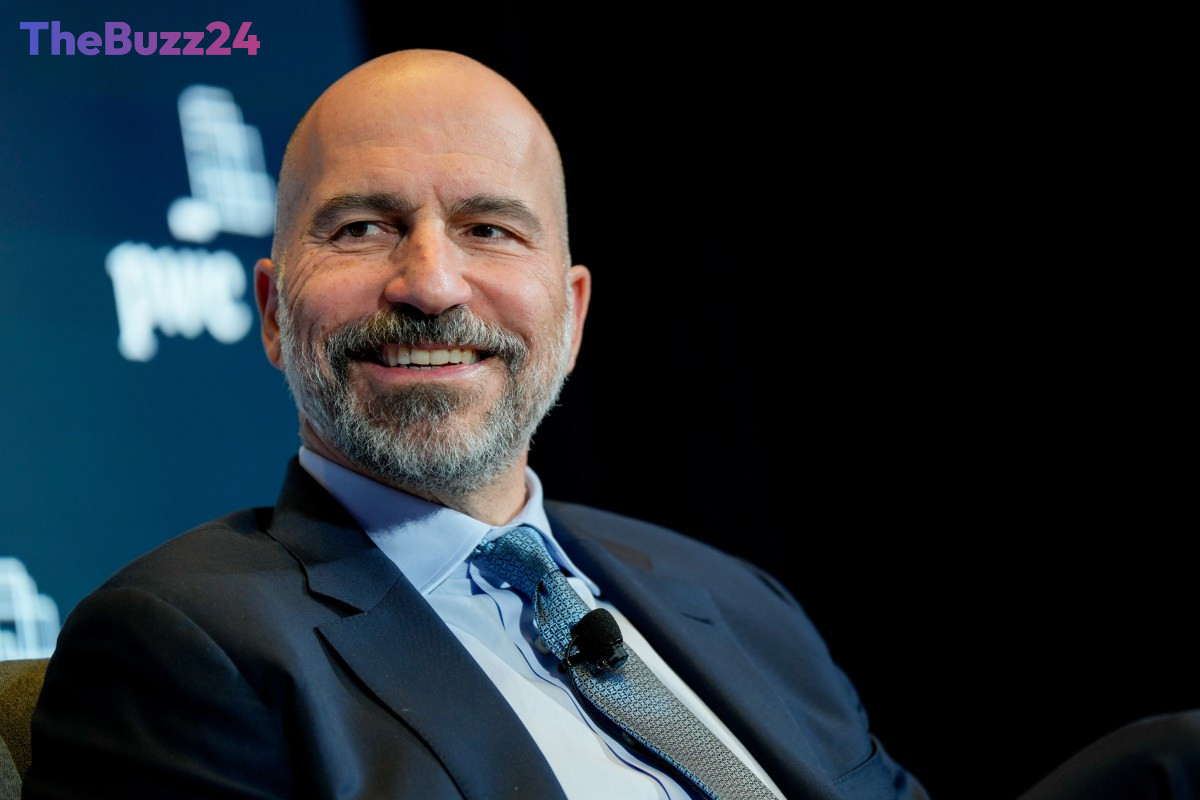
The lawsuit contends that Uber has a history of being a “serial compliance offender,” deliberately cutting corners and fostering a culture that has unfortunately led to numerous legal challenges. These include thousands of claims from individuals alleging sexual assault and harassment by drivers operating on the platform. The suit specifically names CEO Dara Khosrowshahi and asserts that board members failed in their fiduciary duties by disregarding repeated warnings about the company’s inadequate safety and compliance measures.
Plaintiffs are seeking accountability from Uber’s leadership, demanding personal compensation for the alleged harm caused to the company, the return of certain executive compensation, and the implementation of robust oversight and compliance enhancements. The complaint highlights that the victims of this alleged compliance deficit extend beyond those experiencing assault and harassment, also encompassing customers with disabilities and consumers engaging with Uber’s subscription services like Uber One.
In response, Uber has refuted the lawsuit’s claims. A company spokesperson stated that the suit disregards crucial facts and is built upon misleading narratives from previously addressed legal challenges. The company maintains that these accusations have been publicly and legally confronted. Such derivative lawsuits, where shareholders sue a company’s directors on behalf of the corporation, are not uncommon, with similar actions having been filed against major tech firms like Adobe, Apple, and Intel this year.
Key Takeaways
- Shareholders are suing Uber's board and CEO, alleging a pattern of prioritizing profits over safety and compliance.
- The lawsuit cites thousands of claims of sexual assault and harassment by drivers as a result of alleged compliance failures.
- Plaintiffs are seeking financial compensation from leadership and demanding improved oversight measures within the company.
Editor’s Analysis & Impact
This shareholder lawsuit against Uber underscores a critical tension in the gig economy and tech sectors: the balance between rapid growth, profitability, and robust safety and ethical standards. The allegations, if proven, suggest a systemic issue within Uber’s corporate culture that has had tangible legal and reputational consequences. The outcome could set a precedent for how boards of directors are held accountable for compliance failures, particularly in industries with significant public-facing risks. Investors will be closely watching how Uber’s leadership navigates this challenge, as it could impact future regulatory scrutiny and operational strategies.
Frequently Asked Questions
Q: What is a derivative lawsuit?
A: A derivative lawsuit is a legal action in which a shareholder sues a company's board of directors or management on behalf of the corporation itself. This typically occurs when shareholders believe that the company's leadership has harmed the company through negligence or misconduct.
Q: What are the main allegations in the lawsuit against Uber?
A: The lawsuit alleges that Uber's board and management prioritized profits over safety and compliance, leading to a culture that has resulted in numerous lawsuits, including thousands of claims of sexual assault and harassment by drivers. Shareholders are seeking compensation from leadership and improved compliance measures.
Q: How has Uber responded to the lawsuit?
A: Uber has denied the allegations, stating that the lawsuit ignores important facts and is based on misleading narratives from previous legal challenges that the company has already addressed.
AI Disclosure: This article is based on verified data and official reports. Our Team and AI have cross-referenced every financial detail with primary sources to ensure total accuracy.
More from this Category