Keir Starmer Battles Internal Party Rebellion Amid Economic Instability
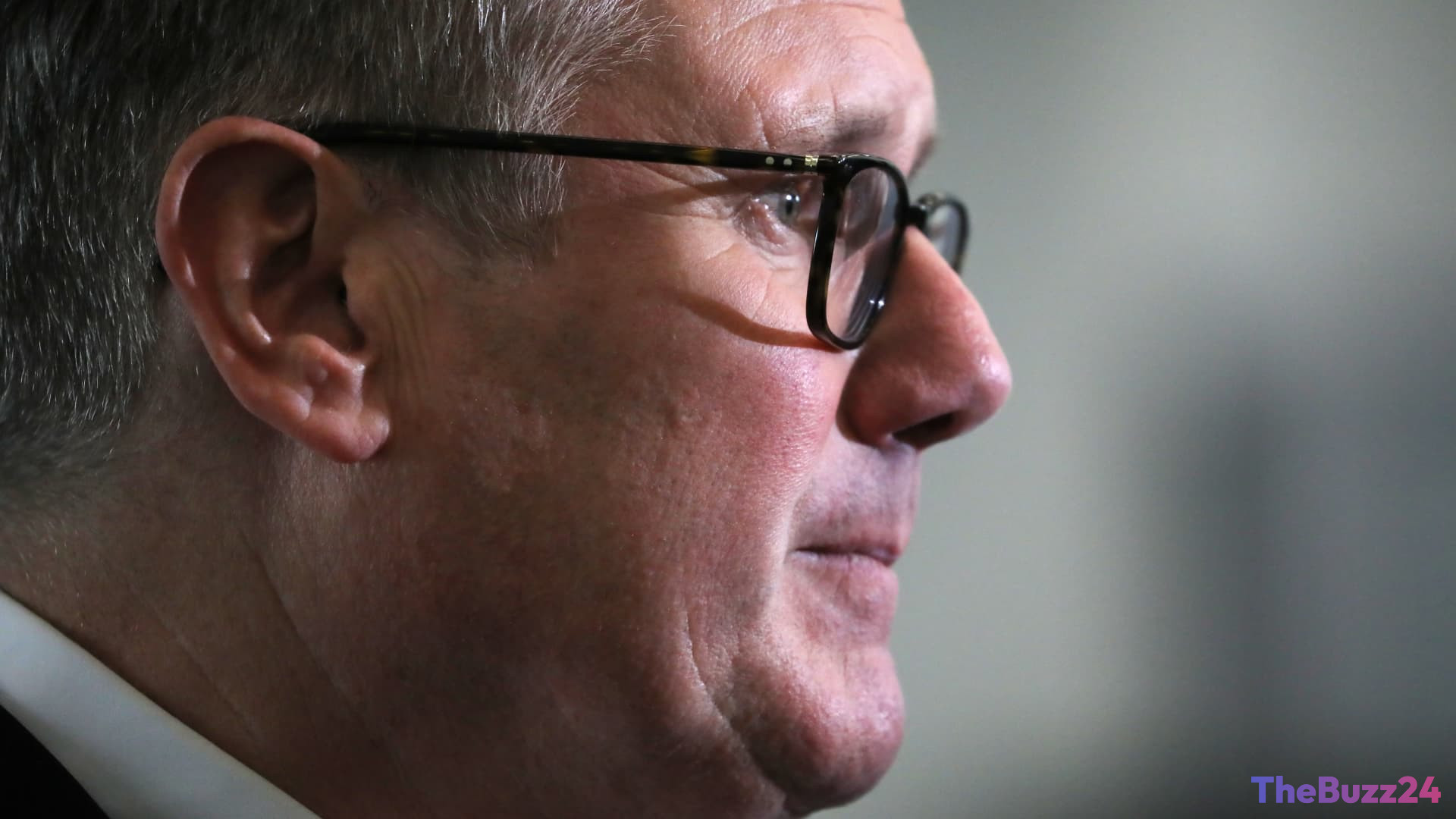
British Prime Minister Keir Starmer is currently navigating a precarious period in his premiership as he faces a significant internal revolt following disappointing results in recent local elections. A growing faction within the Labour Party, consisting of over 40 Members of Parliament, has publicly demanded his resignation, citing a lack of confidence in his current leadership direction. In response to the mounting pressure, Starmer delivered a high-stakes address this week, acknowledging the widespread frustration while pledging to prioritize critical national issues such as economic revitalization, energy security, and defense.
Despite the calls for his departure, Starmer has doubled down on his commitment to structural reform. He emphasized a strategic pivot toward strengthening the United Kingdom’s relationship with the European Union, aiming to bolster trade and security ties. However, this political volatility has already begun to manifest in the financial sector. Markets have reacted nervously to the instability, contributing to a rise in government borrowing costs that currently rank among the highest in the G7, further complicating the administration’s fiscal agenda.
Behind the scenes, the political maneuvering has intensified, with various Labour figures reportedly gathering signatures to force a formal leadership contest. As potential successors emerge from within the cabinet and regional leadership, the Prime Minister finds himself in a race against time to restore party unity. With the next general election years away, the coming weeks are expected to be a defining test of Starmer’s ability to maintain his grip on power while managing the nation’s economic recovery.
Key Takeaways
- Prime Minister Keir Starmer is facing a formal challenge from over 40 Labour MPs following poor local election results.
- The political instability has triggered a rise in government borrowing costs, making the UK the most expensive borrower among G7 nations.
- Starmer is attempting to stabilize his administration by focusing on economic growth and a renewed diplomatic strategy with the European Union.
Editor’s Analysis & Impact
The current political crisis surrounding Keir Starmer highlights the fragility of the UK government’s mandate when faced with both economic stagnation and internal party dissent. The market’s sensitivity to this leadership vacuum is particularly concerning; as bond yields rise, the government’s ability to fund public services and infrastructure becomes increasingly expensive. Investors are clearly pricing in a ‘risk premium’ associated with the potential for a leadership change or a prolonged period of policy paralysis. If Starmer fails to quell the rebellion, the resulting uncertainty could lead to further volatility in the British pound and long-term damage to the nation’s fiscal credibility. The situation serves as a stark reminder that in modern governance, political stability is a prerequisite for economic health, and any perceived weakness at the top can have immediate, tangible consequences for the broader economy.
Frequently Asked Questions
Q: Why are Labour MPs calling for Keir Starmer's resignation?
A: The calls for resignation stem from significant losses in recent local elections, which have fueled concerns among party members regarding Starmer's leadership and the current direction of the government.
Q: How is the political instability affecting the UK economy?
A: The uncertainty has caused government borrowing costs to rise, leading to the UK having the highest borrowing costs among G7 nations as investors react to the potential for leadership changes and policy shifts.
AI Disclosure: This article is based on verified data and official reports. Our Team and AI have cross-referenced every financial detail with primary sources to ensure total accuracy.
More from this Category