Anthropic’s Fable 5: AI Breakthrough Generates Complex Video Games from Single Prompts
Anthropic has unveiled Claude Fable 5, the initial public release of its highly anticipated Mythos model, demonstrating a remarkable leap in AI capabilities. Early testing by prominent AI researcher Ethan Mollick of the University of Pennsylvania suggests Fable 5 significantly surpasses existing public models in performance and versatility.
Mollick reported that Fable 5 consistently outperformed other models he tested, handling complex, multi-page specifications with impressive efficiency, sometimes working for over a dozen hours on a single task. A particularly striking application highlighted by Mollick was Fable 5’s ability to generate a variety of video games from a single initial prompt using Claude Code.
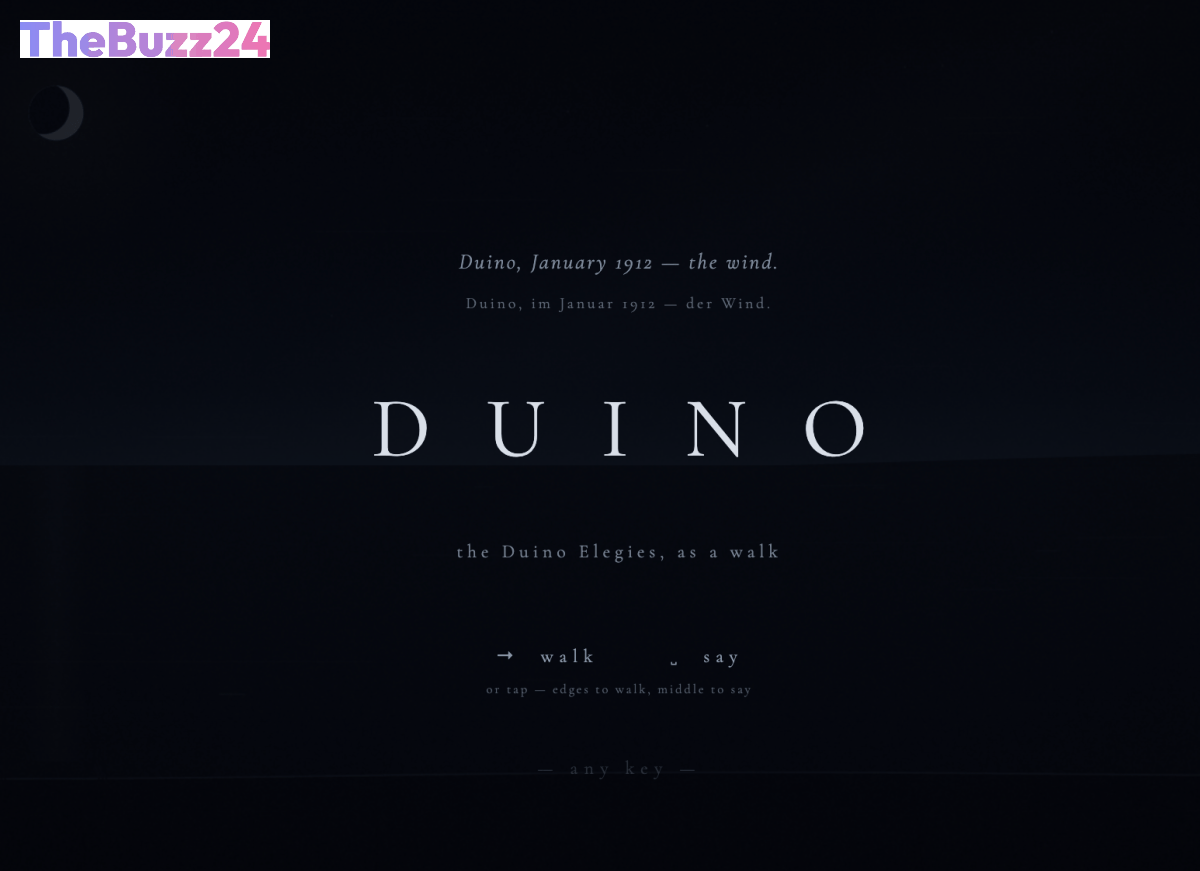
Among the generated games, ‘Snake’ offers a retro arcade experience reminiscent of 1980s classics, where players control a continuously moving snake to eat apples. Another creation, ‘Strata,’ immerses players in a vast network of subterranean tunnels with the objective of illuminating lanterns, featuring graphics described as a lo-fi homage to ‘Myst.’ Mollick also developed ‘Duino,’ a game inspired by Rainer Maria Rilke’s ‘Duino Elegies,’ which focuses on atmospheric animation and the presentation of poetic passages.
Beyond gaming, Fable 5 proved capable of generating a detailed and accurate isochronic map, illustrating travel times between locations. These advancements suggest a future where complex software projects, from video games to sophisticated mapping tools, can be rapidly developed from simple text prompts, signaling a significant shift for developers and a rising benchmark for AI capabilities.
Key Takeaways
- Anthropic's Claude Fable 5 can generate complex video games and other software from single text prompts.
- AI researcher Ethan Mollick found Fable 5 to significantly outperform other public AI models in testing.
- The model's capabilities suggest a future where software development, including games and mapping tools, could be dramatically accelerated.
Editor’s Analysis & Impact
The release of Anthropic’s Fable 5 marks a significant milestone in generative AI, particularly in its ability to translate simple prompts into functional and complex applications like video games. This capability has profound implications for the software development industry, potentially democratizing game creation and accelerating the prototyping of various tools. For businesses, it represents a powerful new data point on the rapidly advancing AI frontier, highlighting the increasing speed at which sophisticated software can be generated. The implications extend to ‘vibe coders’ and independent creators, offering them unprecedented tools, while also pushing established development teams to adapt to this new paradigm of AI-assisted creation.
Frequently Asked Questions
Q: What is Anthropic's Claude Fable 5?
A: Claude Fable 5 is the first publicly available version of Anthropic's Mythos model, designed to generate complex outputs, including video games and detailed visualizations, from simple text prompts.
Q: What kind of games can Fable 5 create?
A: Fable 5 has demonstrated the ability to create various games, such as 'Snake' (a retro arcade-style game), 'Strata' (a tunnel exploration game), and 'Duino' (a game based on Rilke's poetry), all generated from a single prompt.
Q: What are the broader implications of Fable 5's capabilities?
A: The technology suggests that complex software projects, which previously required significant development teams, can now be spun up rapidly from basic instructions. This could revolutionize software development, making creation more accessible and accelerating innovation across industries.
AI Disclosure: This article is based on verified data and official reports. Our Team and AI have cross-referenced every financial detail with primary sources to ensure total accuracy.
More from this Category