Ukraine Targets Russian Energy Infrastructure in Major St. Petersburg Drone Strike
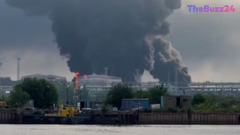
Ukrainian forces have launched a significant drone offensive against critical energy infrastructure in St. Petersburg, marking a strategic escalation in the ongoing conflict. President Volodymyr Zelensky confirmed the operation, identifying the targeted oil terminal as a vital revenue source for the Russian military effort. The strike, which occurred approximately 850 kilometers from the Ukrainian border, reportedly caused substantial damage, with visual evidence showing large plumes of smoke rising from the facility.
Local authorities in St. Petersburg acknowledged the intensity of the assault, with Governor Aleksandr Beglov describing it as a massive drone incursion. While regional officials claimed that dozens of drones were intercepted, the impact on the terminal—a facility capable of processing over 12 million tonnes of petroleum products annually—highlights the vulnerability of Russia’s domestic fuel supply chain. This operation follows a broader pattern of Ukrainian long-range strikes aimed at crippling the economic engine that sustains Moscow’s military operations.
Beyond the energy sector, the conflict continues to play out on both the battlefield and the diplomatic stage. While Russia has attempted to downplay the effectiveness of these strikes, President Vladimir Putin recently signed legislation intended to stabilize domestic fuel markets, signaling that the supply disruptions are being felt at the highest levels of government. Simultaneously, both nations remain locked in a fierce information war, with conflicting reports regarding the status of key frontline towns like Kostyantynivka, as both sides seek to project strength ahead of upcoming international summits.
Key Takeaways
- Ukraine successfully targeted a major oil terminal in St. Petersburg, located deep within Russian territory.
- The strike is part of a broader strategy to disrupt Russia's fossil fuel revenue, which Kyiv claims is essential for funding the war effort.
- Russian authorities have acknowledged the drone attacks and are implementing new measures to address domestic fuel supply shortages.
Editor’s Analysis & Impact
The escalation of long-range drone strikes against Russian energy infrastructure represents a pivotal shift in the conflict’s economic dimension. By targeting high-capacity terminals far from the front lines, Ukraine is effectively forcing Moscow to divert resources toward domestic security and fuel stabilization, rather than purely offensive military operations. This strategy aims to erode the Kremlin’s financial resilience and create internal pressure on the Russian government. Looking ahead, the ability of Ukraine to sustain these deep-strike capabilities will be a critical factor in the war’s trajectory. If these attacks continue to successfully disrupt refining capacity, Russia may face significant logistical challenges that could complicate its long-term military sustainability. The international community will likely monitor these developments closely, as they directly influence global energy market stability and the geopolitical leverage of both nations.
Frequently Asked Questions
Q: Why is Ukraine targeting Russian oil terminals?
A: Ukraine views these facilities as legitimate military targets because they generate the revenue necessary for Russia to continue its invasion and sustain its war effort.
Q: How has Russia responded to the recent drone strikes?
A: Russia has increased its air defense efforts, claimed to have intercepted numerous drones, and introduced new legislation aimed at boosting domestic fuel supplies to counter shortages caused by the attacks.
AI Disclosure: This article is based on verified data and official reports. Our Team and AI have cross-referenced every financial detail with primary sources to ensure total accuracy.
More from this Category