United Airlines Implements Restrictions on AI-Driven Flight Bookings to Bolster Security
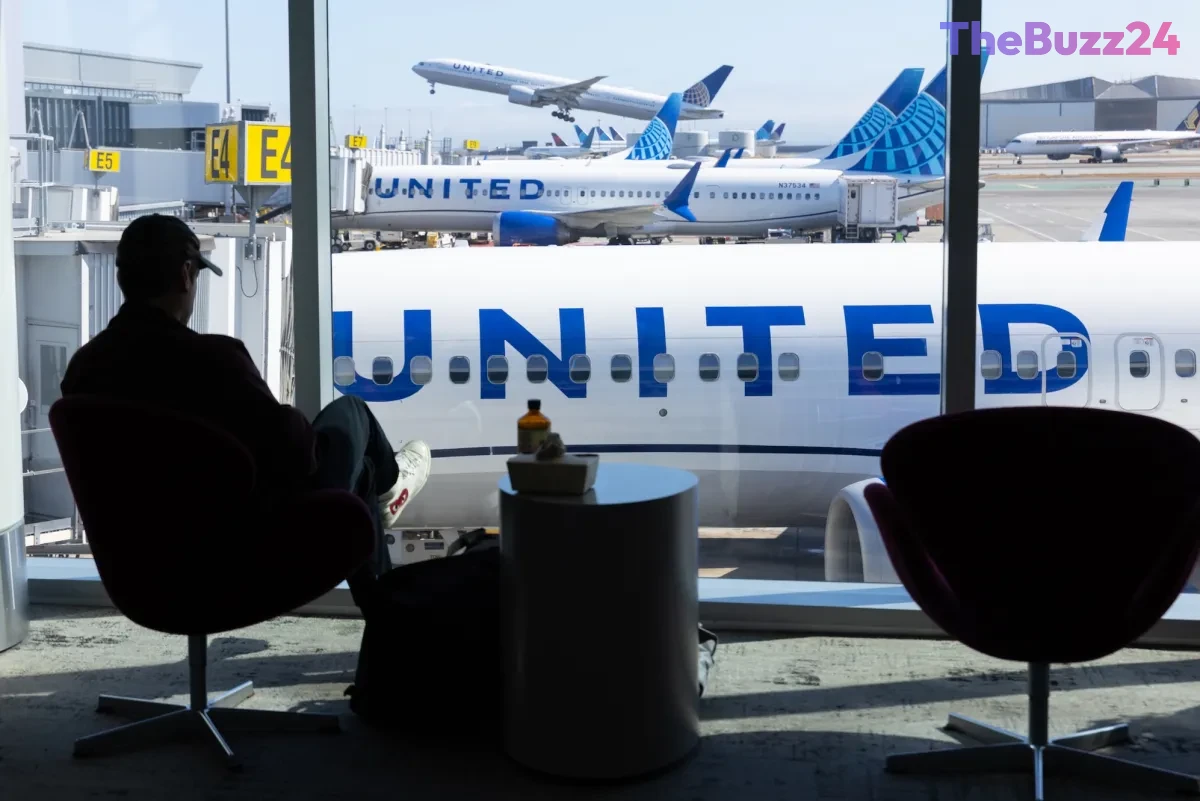
United Airlines has announced a significant policy shift, moving to restrict the ability of autonomous AI agents to book flights and manage reservations on behalf of customers. This decision stems from growing concerns regarding cybersecurity vulnerabilities and the potential for these tools to bypass critical safety regulations.
The airline highlighted that the practice of sharing account credentials with third-party AI assistants poses a severe risk to sensitive user data. Such exposure could lead to unauthorized account modifications, unintended financial transactions, or the misuse of MileagePlus miles. Furthermore, the company noted that relying on AI could conflict with federal aviation mandates, which require human interaction during certain processes, such as confirming that checked luggage does not contain prohibited items.
To mitigate these risks, United is updating its booking, ticketing, and distribution policies. These restrictions will be applied directly across its digital platforms and indirectly through travel agencies and third-party aggregators. This move aligns with recent warnings from the financial sector, including Bank of America, regarding the dangers of sharing passwords with automated assistants.
Key Takeaways
- United Airlines is blocking unauthorized AI agents from accessing its booking and reservation systems.
- The primary drivers for this decision are cybersecurity risks related to credential sharing and compliance with federal aviation safety rules.
- The restrictions will impact direct digital users as well as third-party travel agencies and aggregators.
Editor’s Analysis & Impact
United Airlines’ decision marks a pivotal moment in the tension between rapid AI adoption and corporate security protocols. As autonomous agents become more sophisticated, the ‘identity gap’—the difficulty in distinguishing a human user from a bot—presents a massive liability for service-oriented industries. By drawing a line in the sand, United is prioritizing regulatory compliance and data integrity over the convenience of automation. This move is likely to trigger a broader trend across the travel and finance sectors, forcing AI developers to create more secure, ‘permissioned’ ways for agents to interact with sensitive APIs. In the long term, we may see a standardized framework for ‘verified human’ interactions to satisfy both legal requirements and security standards.
Frequently Asked Questions
Q: Why is United Airlines concerned about AI agents?
A: The airline is concerned about cybersecurity risks from shared credentials and the potential for AI to violate federal regulations that require human confirmation during check-in.
Q: Will this affect how I book my flights?
A: If you are booking flights yourself through the website or app, your experience should remain unchanged; the restriction specifically targets autonomous third-party AI assistants acting on a user's behalf.
AI Disclosure: This article is based on verified data and official reports. Our Team and AI have cross-referenced every financial detail with primary sources to ensure total accuracy.
More from this Category