United States Delists Syria From Terrorism Sponsor List After Nearly Five Decades
In a monumental geopolitical shift, the United States has officially removed Syria from its state sponsors of terrorism designation, effectively ending a 47-year sanction period that began in 1979. US Secretary of State Marco Rubio announced the decision, attributing the policy change to the Syrian government’s proactive measures to distance itself entirely from international extremist activities and terrorism.
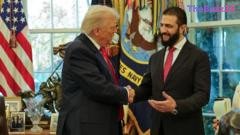
This historic reversal clears the path for private sector investment and paves the way for the war-torn nation’s gradual reintegration into the global financial architecture. US Treasury Secretary Scott Bessent emphasized that the measure is designed to stimulate economic growth and foster long-term stability within the region. The Trump administration has notably aligned itself with Syria’s new leadership under President Ahmed al-Sharaa, whose transitional administration took charge following the ousting of former leader Bashar al-Assad in late 2024.
Alongside Syria’s removal from the primary sponsor list, the Islamist faction Hayat Tahrir al-Sham (HTS)—previously functioning as an al-Qaeda affiliate before severing ties in 2016—has also been cleared from Washington’s global terrorist organizations registry. While Syrian Foreign Minister Asaad Hassan al-Shaibani hailed the decision as a vital step toward ending decades of international isolation, foreign policy experts note that substantial security risks remain as the nation navigates a complex geopolitical landscape involving regional tensions with Israel and Turkey.
Key Takeaways
- The US removed Syria from its state sponsors of terrorism list after 47 years, ending major economic and trade barriers.
- Syria's new president, Ahmed al-Sharaa, and his former faction HTS have been cleared of US terrorist designations.
- Washington aims to integrate Syria into the global economy and counter the influence of rivals like Russia and China.
Editor’s Analysis & Impact
The removal of Syria from the US state sponsors of terrorism list marks a profound realignment of Middle Eastern geopolitics. By lifting economic sanctions and welcoming President Ahmed al-Sharaa’s transitional government, Washington is attempting to pull Damascus away from the sphere of influence traditionally occupied by nations like Russia and Iran. From an economic perspective, this policy shift opens the floodgates for international private sector investments, infrastructure rebuilding projects, and normalized trade relations. However, the move is fraught with calculated risks. Syria lacks a deeply established representative government, remains internally volatile, and sits precariously between conflicting regional powers such as Israel and Turkey. Investors must weigh the potential high-yield opportunities of a rebuilding economy against severe geopolitical and compliance uncertainties in the near term.
Frequently Asked Questions
Q: Why did the US remove Syria from the terrorism sponsor list?
A: The US government cited Syria's positive actions under its new leadership to completely distance itself from international terrorism and foster regional stability.
Q: What countries remain on the US state sponsors of terrorism list?
A: Following Syria's removal, only three countries remain on the designated list: Cuba, North Korea, and Iran.
Q: How does this decision impact the Syrian economy?
A: The lifting of the designation removes severe financial sanctions, US foreign aid restrictions, and penalties on trading partners, paving the way for private sector investment and global economic reintegration.
AI Disclosure: This article is based on verified data and official reports. Our Team and AI have cross-referenced every financial detail with primary sources to ensure total accuracy.
More from this Category