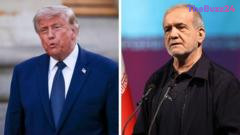
US and Iran Sign Landmark Memorandum to End Hostilities and Reopen Strait of Hormuz
A significant diplomatic breakthrough has been reached as the United States and Iran have formally signed a 14-point Memorandum of Understanding (MoU) aimed at ending the ongoing conflict between the two nations. The agreement, finalized during the G7 summit, establishes an immediate cessation of military operations and sets a 60-day timeline for negotiating a comprehensive final peace treaty. Central to the deal is the reopening of the Strait of Hormuz, a critical maritime chokepoint, which is expected to stabilize global energy markets.
Under the terms of the agreement, both nations have committed to respecting each other’s sovereignty and territorial integrity. The US has pledged to lift its naval blockade and remove economic sanctions, while Iran has agreed to abandon any pursuit of nuclear weapons. Furthermore, the deal outlines a $300 billion reconstruction fund for Iran, supported by regional partners, though the US has clarified that it will not be providing direct financial contributions. The agreement also addresses the status of frozen Iranian assets, which are slated to be released as part of a performance-based compliance framework.
While the document provides a roadmap for de-escalation, several complex issues remain to be resolved, including the specific mechanisms for monitoring nuclear material and the long-term management of the Strait of Hormuz. The US administration has emphasized that the deal is strictly performance-based, meaning that the benefits afforded to Iran are contingent upon its adherence to the agreed-upon terms. Both sides have expressed an intent to finalize these details through continued diplomatic engagement over the next two months, with the ultimate goal of securing a binding resolution through the United Nations Security Council.
Key Takeaways
- The US and Iran have signed a 14-point agreement to immediately cease military operations and negotiate a final peace deal within 60 days.
- The deal mandates the reopening of the Strait of Hormuz for commercial traffic and the lifting of US naval blockades and economic sanctions.
- Iran has committed to abandoning nuclear weapon development, with compliance monitored by the IAEA and tied to the release of frozen assets and reconstruction funding.
Editor’s Analysis & Impact
The signing of this Memorandum of Understanding represents a seismic shift in Middle Eastern geopolitics, potentially ending months of volatility that rattled global oil markets and threatened regional stability. By decoupling the conflict from the previous rigid diplomatic frameworks, the current administration has prioritized immediate economic and security objectives, specifically the restoration of maritime trade routes. However, the success of this agreement hinges entirely on the ‘performance-based’ verification process. If Iran fails to meet its nuclear non-proliferation commitments, the fragile peace could collapse, leading to a return of severe sanctions. Furthermore, the exclusion of direct US financial involvement suggests a strategy of leveraging regional allies to facilitate Iran’s economic recovery, which may face scrutiny from domestic political factions and international observers wary of the long-term implications for regional power balances.
Frequently Asked Questions
Q: Is the United States required to pay money to Iran under this agreement?
A: No. While the agreement establishes a $300 billion reconstruction fund for Iran, the US is not required to contribute any funds. The plan relies on regional partners and international investment.
Q: What happens to Iran's nuclear program under the new deal?
A: Iran has agreed not to procure or build a nuclear weapon. Existing enriched uranium is expected to be 'downblended' under the supervision of the International Atomic Energy Agency (IAEA) as part of the compliance process.
AI Disclosure: This article is based on verified data and official reports. Our Team and AI have cross-referenced every financial detail with primary sources to ensure total accuracy.
More from this Category