US Consumers Show Surprising Resilience Amid Inflationary Headwinds, Early Earnings Reveal
Early third-quarter earnings reports are painting a picture of a remarkably resilient U.S. consumer, defying widespread concerns about high inflation and rising interest rates. Companies across various sectors, including travel and beverages, are reporting steady spending from Americans, suggesting that household budgets are holding up better than anticipated, despite economic pressures.
While fears of soaring fuel prices and increased borrowing costs loomed over the quarter, many businesses have observed that these challenges have not yet significantly deterred consumer spending. Retail sales data for September, which saw a notable increase, further supports this trend, with spending at gas stations contributing to the rise. This sustained purchasing power indicates that consumers are prioritizing certain expenditures, even as they navigate an ‘uneven environment’ marked by geopolitical uncertainties and persistent inflation.
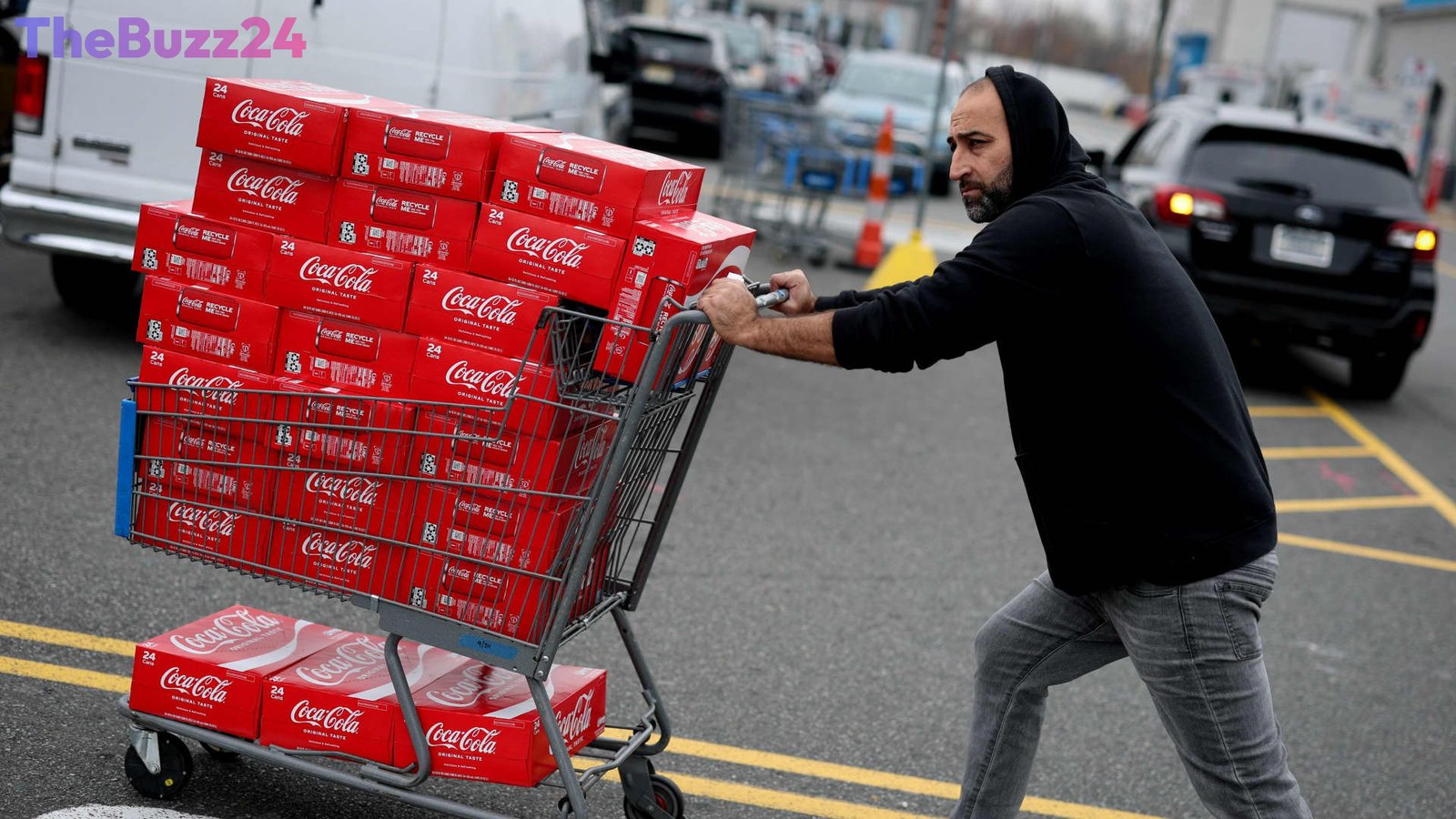
However, the narrative of consumer resilience is not uniform across all industries. While giants like Coca-Cola reported steady demand and even increased their full-year forecasts, and Royal Caribbean saw a surge in bookings for its vacation experiences, other companies are experiencing a more mixed reality. Sherwin-Williams, for instance, met revenue expectations but fell short on earnings, attributing its performance to higher costs and a challenging demand landscape. Similarly, appliance manufacturer Whirlpool reported a decline in North American sales and revised its full-year revenue guidance downwards, highlighting that some sectors are indeed feeling the pinch.
Despite these variations, the overarching theme from the initial earnings season is one of consumer tenacity. Executives from companies like UPS, which is navigating a strategic shift while managing its logistics network, also noted the consumer’s ability to withstand economic pressures, particularly as the crucial holiday shopping season approaches. This resilience, while encouraging for businesses, also underscores the complex economic landscape where pockets of strength coexist with areas of strain.
Key Takeaways
- U.S. consumers are demonstrating unexpected resilience in their spending habits during the third quarter, despite high inflation and interest rates.
- While major companies like Coca-Cola and Royal Caribbean report steady demand, some sectors like home appliances are experiencing a slowdown.
- The strong consumer spending, particularly in travel and leisure, suggests a prioritization of experiences and value-seeking behavior amidst economic uncertainty.
Editor’s Analysis & Impact
The early third-quarter earnings season offers a crucial insight into the current state of the U.S. economy, particularly the spending power of its consumers. The ‘resilient’ consumer narrative, if it holds, suggests that the economy may be better equipped to handle inflationary pressures than previously feared. This could influence monetary policy decisions, potentially leading to a more cautious approach from the Federal Reserve. For businesses, this resilience presents an opportunity, but also a challenge to adapt strategies to meet evolving consumer priorities, balancing value with demand. The divergence in performance across sectors highlights the need for nuanced market analysis, as not all industries are benefiting equally from this consumer strength.
Frequently Asked Questions
Q: What does 'consumer resilience' mean in an economic context?
A: Consumer resilience refers to the ability of households to maintain their spending levels and economic activity despite facing economic challenges such as high inflation, rising interest rates, or job market uncertainty.
Q: Which sectors are showing the most resilience in consumer spending?
A: Early reports indicate that sectors like travel and leisure (e.g., cruise lines) and essential goods (e.g., beverages) are demonstrating strong consumer demand. However, some durable goods sectors, like home appliances, are experiencing weaker sales.
Q: How are companies adapting to this consumer behavior?
A: Companies are focusing on offering value to consumers, managing costs effectively, and adjusting their forecasts based on observed demand. Some are also strategically repositioning their businesses, like UPS in its partnership with Amazon, to align with current market conditions.
AI Disclosure: This article is based on verified data and official reports. Our Team and AI have cross-referenced every financial detail with primary sources to ensure total accuracy.
More from this Category