Venus Vanishes: Rare Daytime Lunar Occultation Dazzles Skywatchers
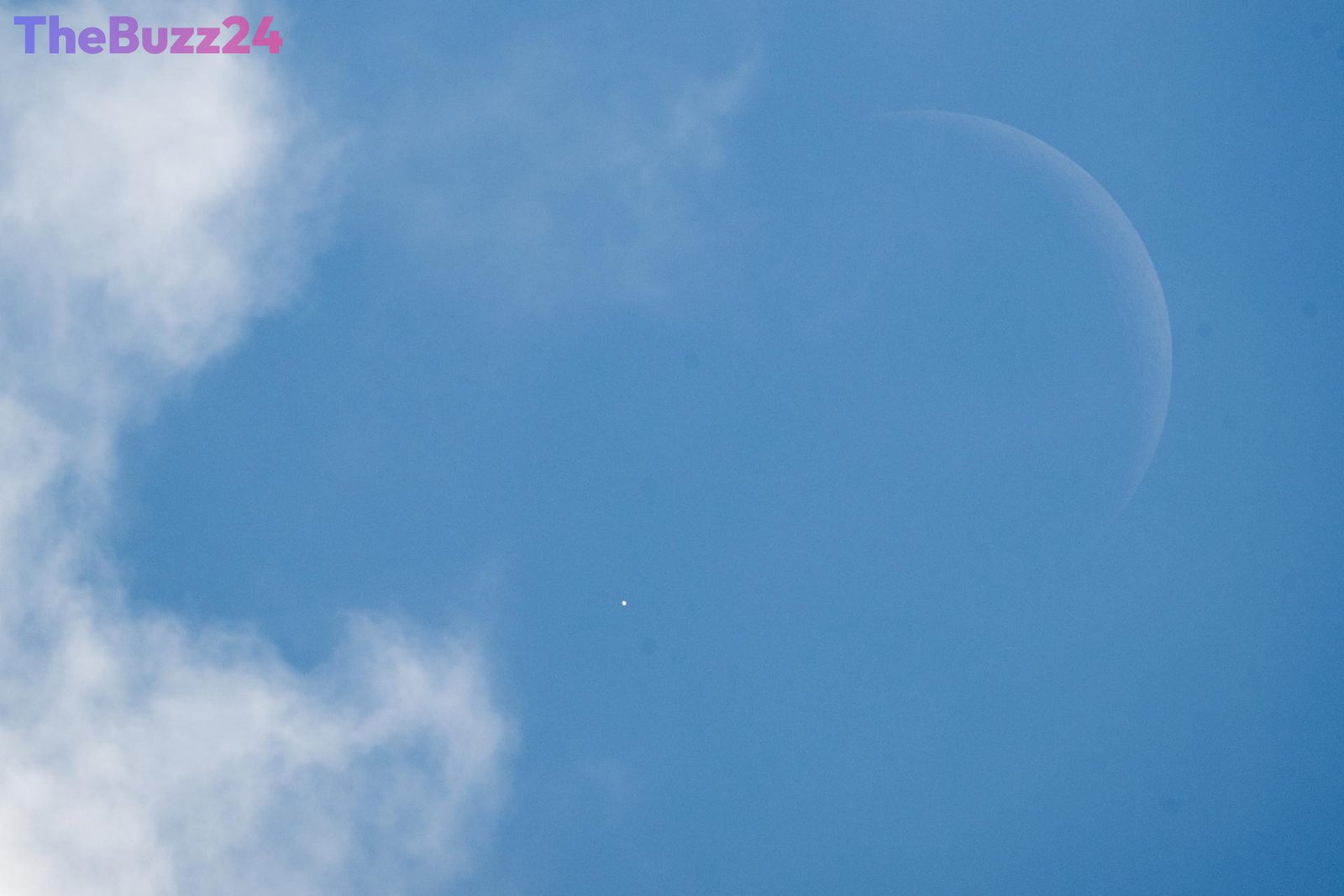
On Wednesday, June 17, an extraordinary celestial spectacle unfolded as Venus briefly disappeared behind the Moon, an event known as a lunar occultation. This rare phenomenon, visible to observers across the United States and parts of Canada, occurred during daylight hours, adding an element of surprise and wonder for those fortunate enough to witness it.
A lunar occultation happens when the Moon passes directly between Earth and another celestial body, momentarily obscuring it from view. This particular event marked the first of three such occurrences involving Venus and the Moon scheduled for 2026. While many enjoyed the daytime display, two more opportunities to observe Venus being hidden by the Moon are on the horizon later this year.
For those who missed the June 17 event, or are eager for another chance, the next lunar occultation of Venus is set for September 14. This event will be observable from significant portions of Asia, Africa, Europe, and western Russia. The year’s final occultation will take place on November 7, offering a viewing opportunity for audiences in southern South America. These recurring events provide unique chances for astronomers and casual observers alike to appreciate the dynamic movements within our solar system.
Key Takeaways
- A rare daytime lunar occultation of Venus occurred on June 17, visible in the US and Canada.
- This event was the first of three lunar occultations of Venus scheduled for 2026.
- Additional viewing opportunities for Venus occultations are scheduled for September 14 (Asia, Africa, Europe, Russia) and November 7 (southern South America).
Editor’s Analysis & Impact
The recent lunar occultation of Venus highlights the predictable yet captivating nature of celestial mechanics. Such events, while not uncommon in the grand scheme of astronomical occurrences, offer valuable opportunities for public engagement with science and astronomy. The recurring nature of these occultations throughout 2026 provides multiple chances for global audiences to witness this phenomenon, potentially sparking interest in space observation and planetary science. For astronomers, these events are also useful for refining orbital data and understanding the precise positions of celestial bodies.
Frequently Asked Questions
Q: What is a lunar occultation?
A: A lunar occultation is an astronomical event where the Moon passes directly in front of another celestial object, such as a planet or star, from the perspective of an observer on Earth, thereby hiding it from view.
Q: Can lunar occultations happen during the day?
A: Yes, lunar occultations can occur during the day if the Moon and the celestial object being occulted are both above the horizon and positioned such that the Moon passes in front of the object from the observer's viewpoint.
Q: How often do lunar occultations of Venus occur?
A: The frequency of lunar occultations of Venus depends on the relative orbital positions of the Earth, Moon, and Venus. While they are not daily occurrences, they happen periodically, with multiple events sometimes clustered within a single year, as seen with the three scheduled for 2026.
AI Disclosure: This article is based on verified data and official reports. Our Team and AI have cross-referenced every financial detail with primary sources to ensure total accuracy.
More from this Category