Visual Evidence Reveals Extent of Devastation in Spokane Wildfire Zones
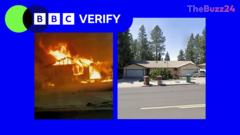
Recent wildfire activity in Spokane, Washington, has left a trail of destruction, with residential neighborhoods and personal property suffering significant damage. Comparative visual analysis, utilizing pre-fire imagery and footage captured in the immediate aftermath, highlights the severity of the blaze as it swept through local streets.
The imagery documents the stark contrast between the previously intact suburban landscape and the current state of charred homes and incinerated vehicles. These visual records serve as a grim testament to the intensity of the fire, which forced evacuations and left many residents facing the total loss of their property.
Local authorities and emergency management teams continue to assess the full scope of the disaster as the smoke clears. The documentation of these affected areas is critical for both insurance evaluations and long-term recovery efforts, as the community begins the difficult process of clearing debris and planning for reconstruction in the wake of the catastrophe.
Key Takeaways
- Comparative imagery confirms extensive property damage in Spokane following recent wildfires.
- The destruction includes residential homes and vehicles, indicating a high-intensity fire event.
- Visual documentation is currently being used to assess the scale of the loss for recovery and insurance purposes.
Editor’s Analysis & Impact
The devastation in Spokane underscores a growing trend of high-intensity wildfires impacting suburban and urban-adjacent areas, a phenomenon increasingly linked to shifting climate patterns and prolonged drought conditions. From a market perspective, this event will likely trigger a surge in insurance claims, potentially leading to higher premiums and stricter underwriting standards for homeowners in fire-prone regions of the Pacific Northwest. Furthermore, the incident highlights the urgent need for improved municipal emergency management and urban planning that prioritizes fire-resistant infrastructure. As these events become more frequent, the economic burden on local governments and private insurers will necessitate a shift toward proactive mitigation strategies, such as improved forest management and the implementation of more rigorous building codes designed to withstand extreme heat and ember intrusion.
Frequently Asked Questions
Q: How was the extent of the Spokane wildfire damage determined?
A: The damage was assessed by comparing high-resolution imagery of the streets taken before the fires with video footage and photographs captured immediately after the blaze.
Q: What types of property were primarily affected by the fires?
A: The visual evidence confirms that residential homes and personal vehicles were among the primary assets destroyed during the wildfire event.
AI Disclosure: This article is based on verified data and official reports. Our Team and AI have cross-referenced every financial detail with primary sources to ensure total accuracy.
More from this Category