Washington State Faces Severe Wildfire Crisis Amid Record-Breaking Drought
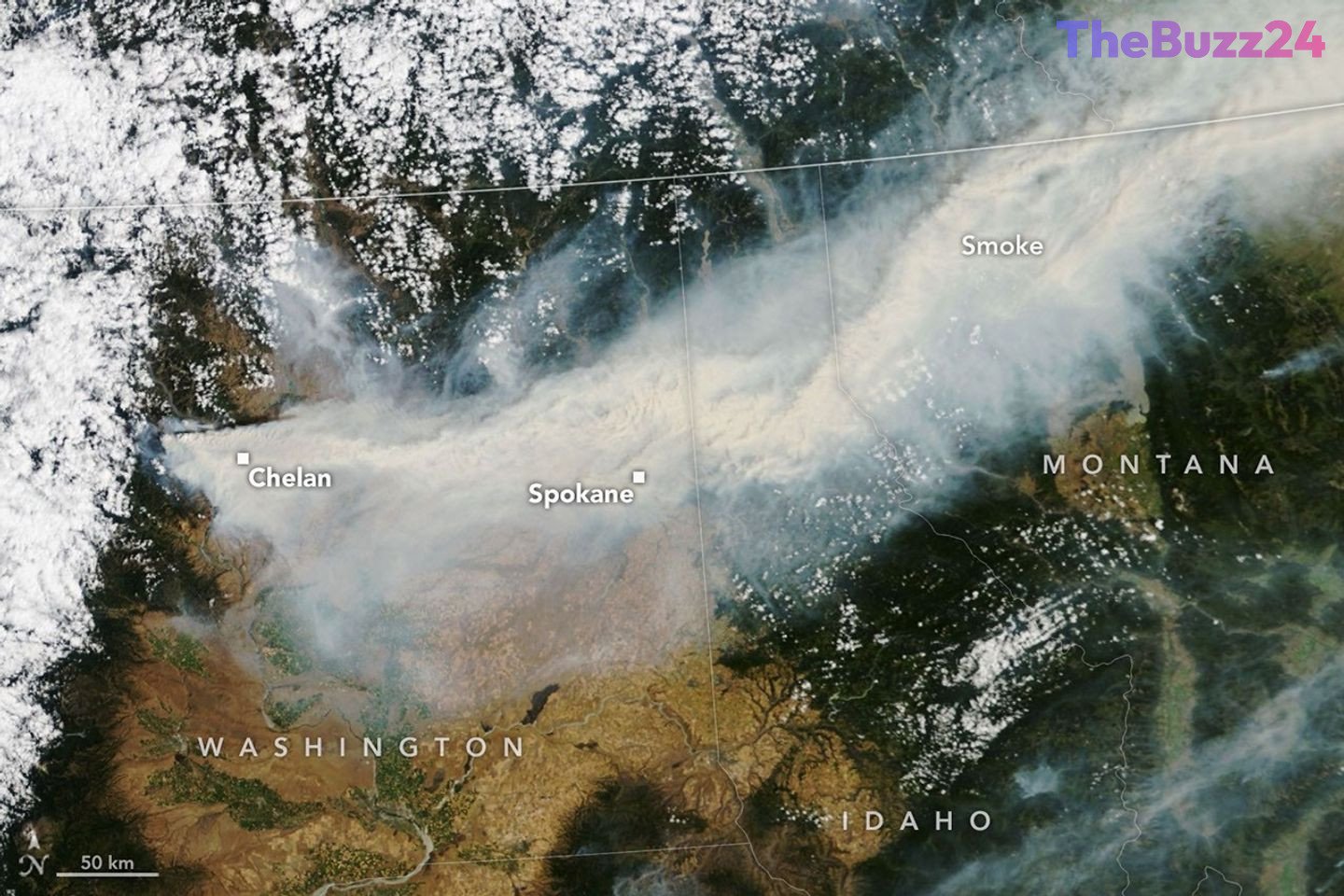
Eastern Washington is currently grappling with a severe wildfire season, as multiple blazes have forced evacuations and blanketed the region in hazardous smoke. The Little Giant fire, burning west of Chelan, has consumed over 38,500 acres since its ignition on July 15. With zero containment, the fire continues to threaten local air quality, pushing conditions into the ‘very unhealthy’ range for residents in Chelan, Leavenworth, and Wenatchee.
Simultaneously, a cluster of fires near Spokane—including the Old Trails, Fairview, and Autumn Lane fires—has caused significant destruction. These blazes have scorched more than 8,000 acres and resulted in damage or destruction to over 600 structures. Mandatory evacuation orders remain in effect for parts of Spokane and Stevens counties as emergency crews struggle to contain the rapidly spreading flames.
The current situation is the culmination of an exceptionally difficult fire season, exacerbated by persistent drought and a lack of winter snowpack. By the beginning of August 2026, Washington had already recorded over 1,000 fires, burning approximately 425,000 acres—the highest total since 2021. The severity of the conditions prompted the National Weather Service to issue a ‘particularly dangerous situation’ alert, a rare designation reflecting the extreme risk posed by high temperatures, strong winds, and parched vegetation.
Key Takeaways
- Over 425,000 acres have burned in Washington state so far in 2026, marking the most active fire season since 2021.
- The Little Giant fire and a cluster of Spokane-area fires have caused widespread air quality issues and the destruction of over 600 structures.
- Extreme weather conditions, including drought and high winds, led to the state's first-ever 'particularly dangerous situation' fire alert.
Editor’s Analysis & Impact
The escalating wildfire situation in Washington highlights the growing intersection of climate volatility and regional infrastructure vulnerability. The reliance on ‘particularly dangerous situation’ alerts signals that traditional fire management strategies are being tested by more frequent, high-intensity events driven by long-term drought. Economically, the destruction of hundreds of structures in the Spokane area will place significant strain on local insurance markets and emergency response budgets. Looking forward, the state will likely need to shift toward more aggressive forest management and infrastructure hardening to mitigate the risks posed by these increasingly common extreme weather cycles. The broader implication is a permanent shift in how the Pacific Northwest must prepare for fire seasons that are no longer seasonal, but year-round threats to public safety and property.
Frequently Asked Questions
Q: What caused the current surge in wildfires across Washington?
A: The fires are primarily fueled by persistent drought conditions, low winter snowpack, and extreme weather events characterized by high temperatures and strong winds.
Q: How many structures have been impacted by the Spokane area fires?
A: Preliminary reports indicate that more than 600 structures have been destroyed or damaged by the cluster of fires near Spokane.
AI Disclosure: This article is based on verified data and official reports. Our Team and AI have cross-referenced every financial detail with primary sources to ensure total accuracy.
More from this Category