Tehran Celebrates as Conditional Ceasefire Reopens Vital Strait of Hormuz
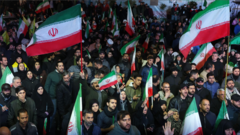
Thousands of citizens gathered in the streets of Tehran this week to mark a significant, albeit temporary, de-escalation in regional tensions. The public display of unity followed the announcement of a conditional two-week ceasefire between the United States and Iran, aimed at curbing the hostilities that have disrupted the Gulf region for over a month.
Under the terms of the agreement, Iran has pledged to guarantee the secure transit of commercial vessels through the Strait of Hormuz, a critical artery for global energy and maritime trade. In exchange, the United States has agreed to suspend its current campaign of military strikes against Iranian targets. This pause follows a volatile period of direct military engagement, which included retaliatory actions from both sides across various locations in the Gulf.
The diplomatic breakthrough was achieved through the mediation efforts of Pakistan’s Prime Minister Shehbaz Sharif, who worked to bridge the gap between the two nations. While the ceasefire is effective immediately, its conditional nature underscores the fragility of the current peace. International observers remain cautious, noting that while the agreement provides a necessary reprieve for global shipping, the long-term stability of the region remains dependent on ongoing diplomatic negotiations.
Key Takeaways
- A two-week conditional ceasefire has been established between the United States and Iran to halt recent military hostilities.
- Iran has committed to ensuring the safe passage of international shipping through the Strait of Hormuz.
- Pakistan's Prime Minister Shehbaz Sharif served as the primary mediator to facilitate the agreement.
Editor’s Analysis & Impact
The establishment of this ceasefire serves as a critical circuit breaker in a conflict that threatened to destabilize global energy markets. By securing the Strait of Hormuz, the agreement provides immediate relief to the shipping and insurance industries, which have been grappling with the risks of regional escalation. However, the ‘conditional’ nature of the truce suggests that the underlying geopolitical grievances remain unresolved. The market impact will likely be a temporary stabilization of oil prices and a reduction in maritime risk premiums. Looking ahead, the success of this two-week window will be the primary indicator of whether a more permanent diplomatic framework can be constructed or if the region will return to a state of heightened military alert once the ceasefire expires.
Frequently Asked Questions
Q: What is the primary goal of the ceasefire?
A: The primary goal is to de-escalate regional military tensions and ensure the safe passage of commercial vessels through the Strait of Hormuz.
Q: How long is the ceasefire expected to last?
A: The current agreement is a conditional truce set for a duration of two weeks.
AI Disclosure: This article is based on verified data and official reports. Our Team and AI have cross-referenced every financial detail with primary sources to ensure total accuracy.
More from this Category