Tensions Escalate: JD Vance Challenges Pope Leo Over Stance on Iran Conflict
A significant diplomatic and ideological rift has emerged between the current U.S. administration and the Vatican, as Vice-President JD Vance publicly criticized Pope Leo for his vocal opposition to the ongoing war in Iran. The friction follows a series of high-profile discussions between the Pope and former President Donald Trump, during which the pontiff characterized the military engagement as a source of “absurd and inhuman violence.”
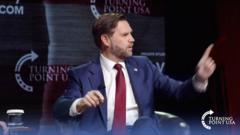
During a recent appearance at a Turning Point USA event in Georgia, Vice-President Vance addressed the controversy directly, suggesting that the spiritual leader should exercise caution when commenting on complex geopolitical and theological matters. The event, which saw Vance briefly interrupted by a heckler, underscored the polarizing nature of the administration’s foreign policy and the public’s reaction to the Vatican’s involvement in political discourse.
Pope Leo, who holds the distinction of being the first American to serve as Pope, has shown no signs of backing down from his critical position. In a recent statement, the pontiff emphasized that he remains undeterred by the Trump administration’s disapproval, asserting that his primary duty is to advocate for the Gospel’s message regardless of political pressure. This standoff highlights a deepening divide between the current executive branch and the moral authority of the Catholic Church on matters of international conflict.
Key Takeaways
- Vice-President JD Vance publicly admonished Pope Leo for criticizing the U.S. stance on the war in Iran.
- Pope Leo maintains that his moral obligation to speak out against violence supersedes political concerns.
- The conflict highlights a growing ideological tension between the current administration and the Vatican's leadership.
Editor’s Analysis & Impact
The public confrontation between Vice-President JD Vance and Pope Leo represents a rare and high-stakes clash between secular political power and religious moral authority. By challenging the Pope, the administration is attempting to solidify its foreign policy narrative, yet it risks alienating a significant portion of the electorate that views the papacy as a moral compass. This friction suggests that the administration is increasingly willing to confront traditional institutions that oppose its geopolitical strategies. Looking ahead, this dispute could influence domestic political alignments, particularly among Catholic voters, and may complicate future diplomatic engagements between the U.S. and the Holy See. The willingness of the Pope to openly defy the administration signals a shift toward a more activist, interventionist role for the Vatican in global political affairs.
Frequently Asked Questions
Q: Why is Vice-President JD Vance criticizing Pope Leo?
A: Vice-President Vance is criticizing the Pope for his vocal opposition to the U.S. involvement in the war in Iran, which the Pope has described as "absurd and inhuman violence."
Q: What is Pope Leo's response to the administration's criticism?
A: Pope Leo has remained resolute, stating he has no fear of the administration and is committed to speaking out on moral issues as part of his religious duty.
AI Disclosure: This article is based on verified data and official reports. Our Team and AI have cross-referenced every financial detail with primary sources to ensure total accuracy.
More from this Category