White House Sparks Constitutional Clash Over $810 Million Budget Freeze
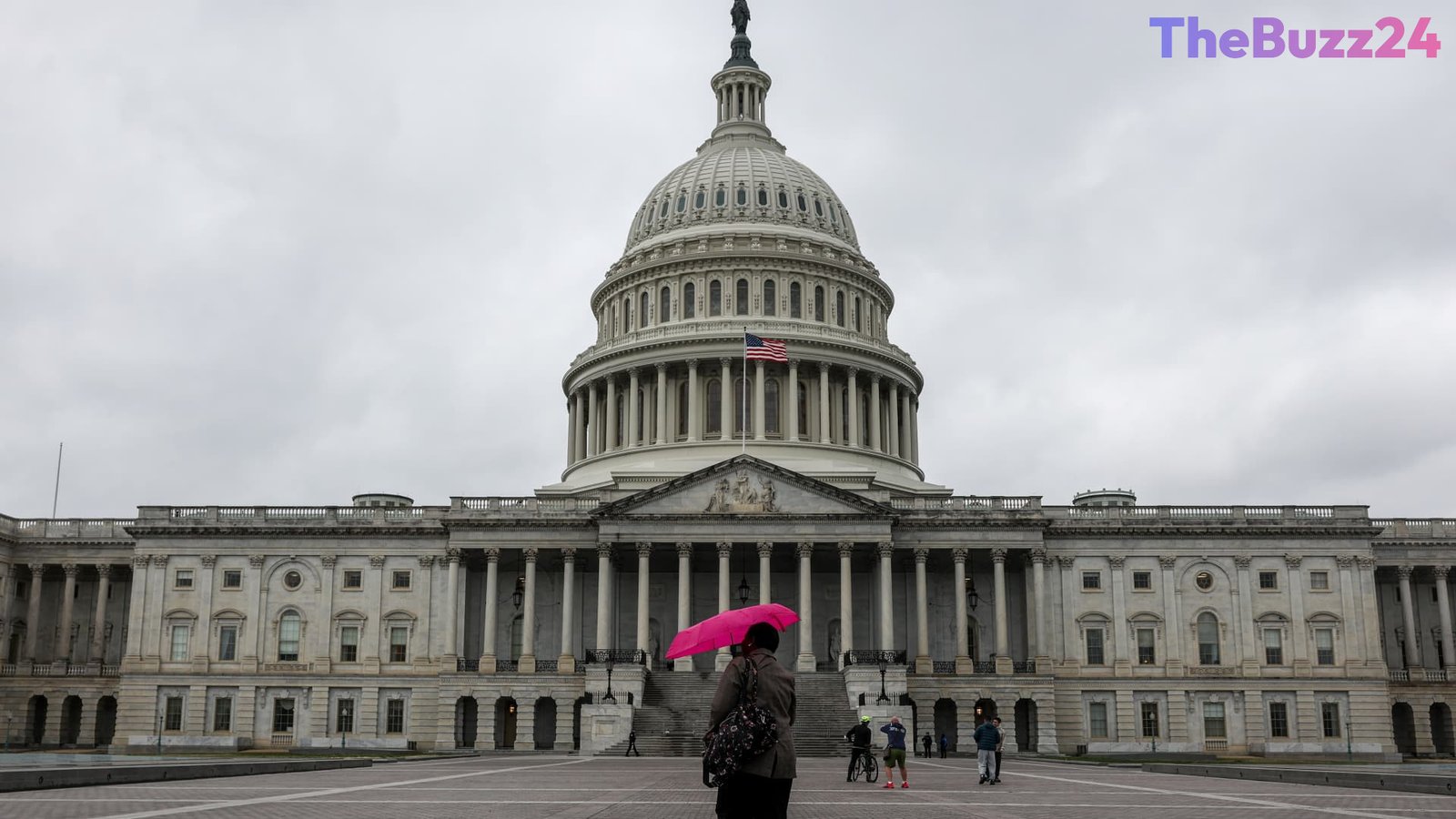
The White House has initiated a controversial budgetary maneuver to block $810 million in funding previously approved by Congress. By utilizing a mechanism known as a “pocket rescission,” the administration is targeting specific education and healthcare initiatives, sparking immediate pushback from lawmakers who argue the move oversteps executive authority.
The proposed cuts heavily impact the Department of Health and Human Services (HHS), including $567 million earmarked for support programs aiding refugees, asylees, and other non-citizens, alongside $28 million designated for health research. Additionally, funding for Department of Education programs supporting immigrant students is also on the chopping block. A pocket rescission occurs when the executive branch submits a request to withhold funds so close to the end of the fiscal year that the money expires before Congress can complete its legally mandated 45-day review period.
This maneuver has drawn sharp criticism from key congressional figures, including Senator Susan Collins, a Republican from Maine who chairs the Senate Appropriations Committee. Collins condemned the action as an attempt to undermine Congress’s constitutional “power of the purse,” pointing to findings from the independent Government Accountability Office (GAO). The GAO has previously asserted that the Impoundment Control Act (ICA) does not permit the executive branch to let funds expire through pocket rescissions without explicit congressional approval.
This is not the first time the administration has tested these legal boundaries. Just last year, the White House blocked $4.9 billion in foreign aid using the same tactic, representing the first use of pocket rescissions in nearly half a century. The ongoing dispute highlights a deepening institutional struggle over federal spending power and the limits of executive authority.
Key Takeaways
- The White House is attempting to block $810 million in congressionally approved funding using a controversial 'pocket rescission' maneuver.
- The funding cuts primarily target Health and Human Services programs for refugees and non-citizens, as well as immigrant education programs.
- Lawmakers and the Government Accountability Office (GAO) argue the move is unlawful and violates the Impoundment Control Act by bypassing Congress's constitutional authority.
Editor’s Analysis & Impact
This latest budgetary standoff highlights a growing constitutional friction between the executive and legislative branches over the “power of the purse.” By utilizing pocket rescissions, the administration is attempting to bypass congressional intent, setting a precedent that could fundamentally alter how federal budgets are executed. The immediate impact will be felt by vulnerable populations, particularly refugees and immigrant students, as critical integration and support programs face sudden funding freezes. In the long term, this maneuver is likely to trigger protracted legal battles and prompt Congress to draft tighter legislative guardrails around the Impoundment Control Act. For markets and public sector contractors, such fiscal unpredictability introduces operational risks, signaling that even fully appropriated federal funds remain vulnerable to political maneuvering.
Frequently Asked Questions
Q: What is a pocket rescission?
A: A pocket rescission is a budget maneuver where the president requests to cancel congressionally approved funding so close to the end of the fiscal year that the funds expire before Congress can complete its legally mandated 45-day review period.
Q: Why is this move controversial?
A: Critics, including the Government Accountability Office (GAO) and key lawmakers, argue that pocket rescissions are unlawful because they allow the executive branch to unilaterally withhold and expire funds without the congressional approval required by the Impoundment Control Act.
Q: Which programs are affected by these cuts?
A: The cuts target $567 million in HHS programs for refugees and non-citizens, $28 million in HHS research, and various Department of Education programs designed for immigrant students.
AI Disclosure: This article is based on verified data and official reports. Our Team and AI have cross-referenced every financial detail with primary sources to ensure total accuracy.
More from this Category