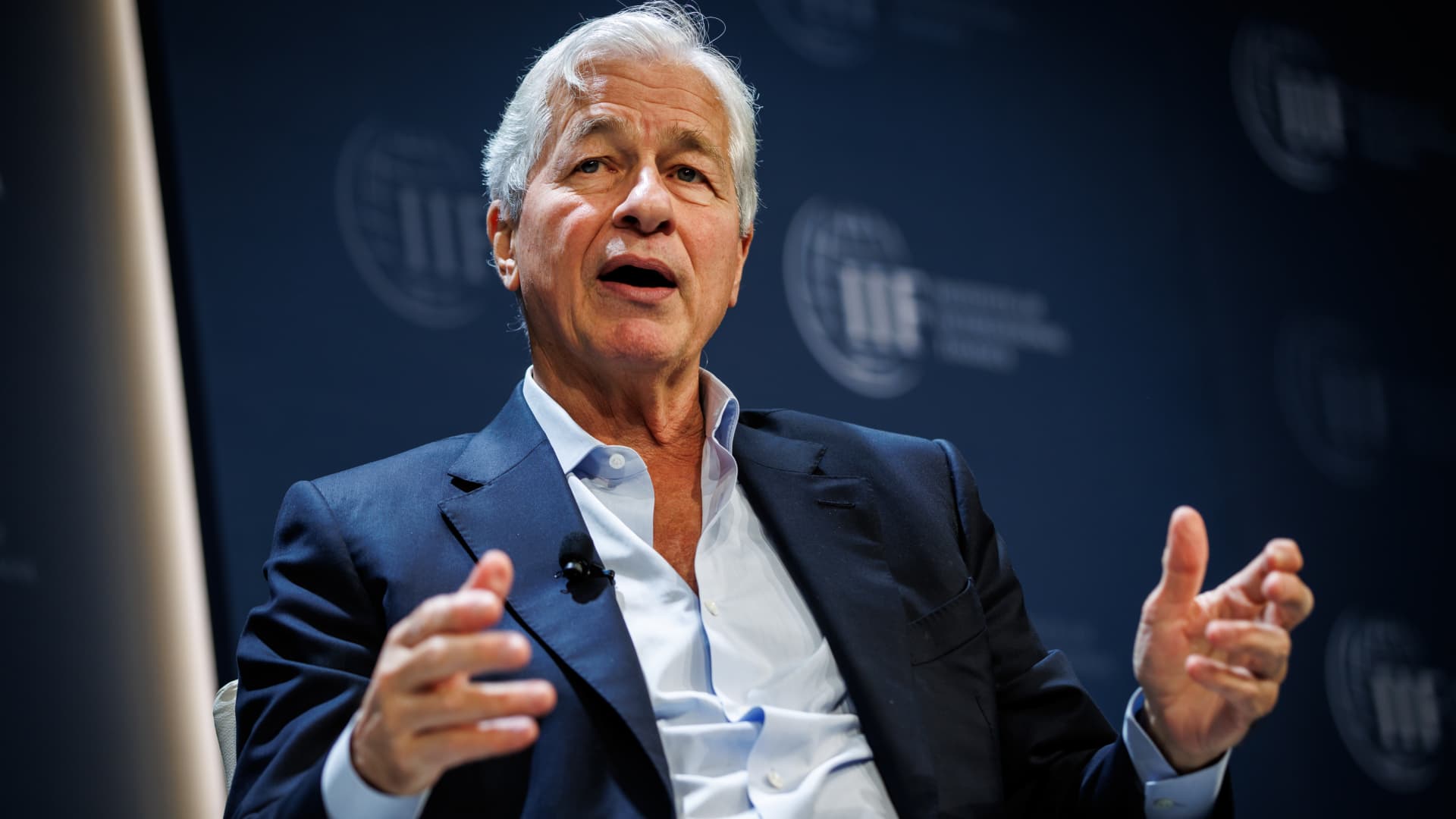
The AI Double-Edged Sword: JPMorgan Chase CEO Warns of Escalating Cyber Risks
Jamie Dimon, CEO of JPMorgan Chase, has issued a significant warning regarding the dual-natured impact of artificial intelligence on the financial sector. While acknowledging that AI holds long-term promise for enhancing security, Dimon emphasized that current advancements are primarily creating complex new vulnerabilities. These technological leaps are providing bad actors with sophisticated tools to exploit systems, making the modern cybersecurity landscape increasingly difficult to navigate.
In a proactive attempt to understand these emerging threats, JPMorgan Chase has been testing Anthropic’s Mythos AI model. The results were telling: the model successfully identified thousands of potential weaknesses within corporate software, highlighting a critical need for immediate remediation. This capability demonstrates how quickly AI can uncover flaws that might have previously gone unnoticed by human auditors.
Dimon also pointed out that the interconnected nature of the global financial system—comprising various exchanges and third-party partners—creates a level of exposure that even massive capital investments cannot entirely eliminate. Because institutions are linked, a vulnerability in one area can pose a risk to the entire network, making cybersecurity a relentless, full-time necessity.
Despite the focus on high-tech solutions, the emphasis must remain on fundamental cybersecurity hygiene. Dimon urged organizations to prioritize essential protocols, such as rigorous data protection, robust network security, and consistent hardware maintenance. These basic defenses remain the most effective way to mitigate the heightened risks brought about by the rapid evolution of AI-driven attack vectors.
Key Takeaways
- AI models like Anthropic's Mythos can rapidly identify thousands of software vulnerabilities, accelerating the threat landscape.
- The interconnectedness of global financial institutions creates systemic risks that are difficult to control through individual efforts alone.
- Foundational cybersecurity practices, such as data protection and network security, remain the most vital defense against AI-driven attacks.
Editor’s Analysis & Impact
The warnings from JPMorgan Chase leadership signal a paradigm shift in how financial institutions must approach risk management. As AI lowers the barrier to entry for sophisticated cyberattacks, the ‘arms race’ between attackers and defenders will accelerate. The fact that a model like Mythos can uncover thousands of flaws in a single testing cycle suggests that traditional manual auditing is no longer sufficient. Moving forward, we can expect massive capital shifts toward AI-driven defensive technologies. However, the industry must also grapple with the systemic risk posed by third-party dependencies. A single vulnerability in a shared exchange or service provider could trigger a domino effect across the global economy, making collective security standards just as important as individual institutional defenses.
Frequently Asked Questions
Q: How does AI change the nature of cyber threats?
A: AI allows adversaries to automate the discovery of system flaws and create more complex, rapid attack vectors, making cyber warfare more efficient for bad actors.
Q: What role did Anthropic's Mythos play in this discovery?
A: Mythos is an AI model used by JPMorgan Chase to test software; it successfully identified thousands of potential vulnerabilities, demonstrating the power of AI to find system weaknesses.
Q: What are the most effective defenses against AI-driven attacks?
A: While advanced AI tools are helpful, fundamental cybersecurity hygiene—including rigorous data protection, network security, and consistent hardware maintenance—remains the most effective defense.
AI Disclosure: This article is based on verified data and official reports. Our Team and AI have cross-referenced every financial detail with primary sources to ensure total accuracy.
More from this Category