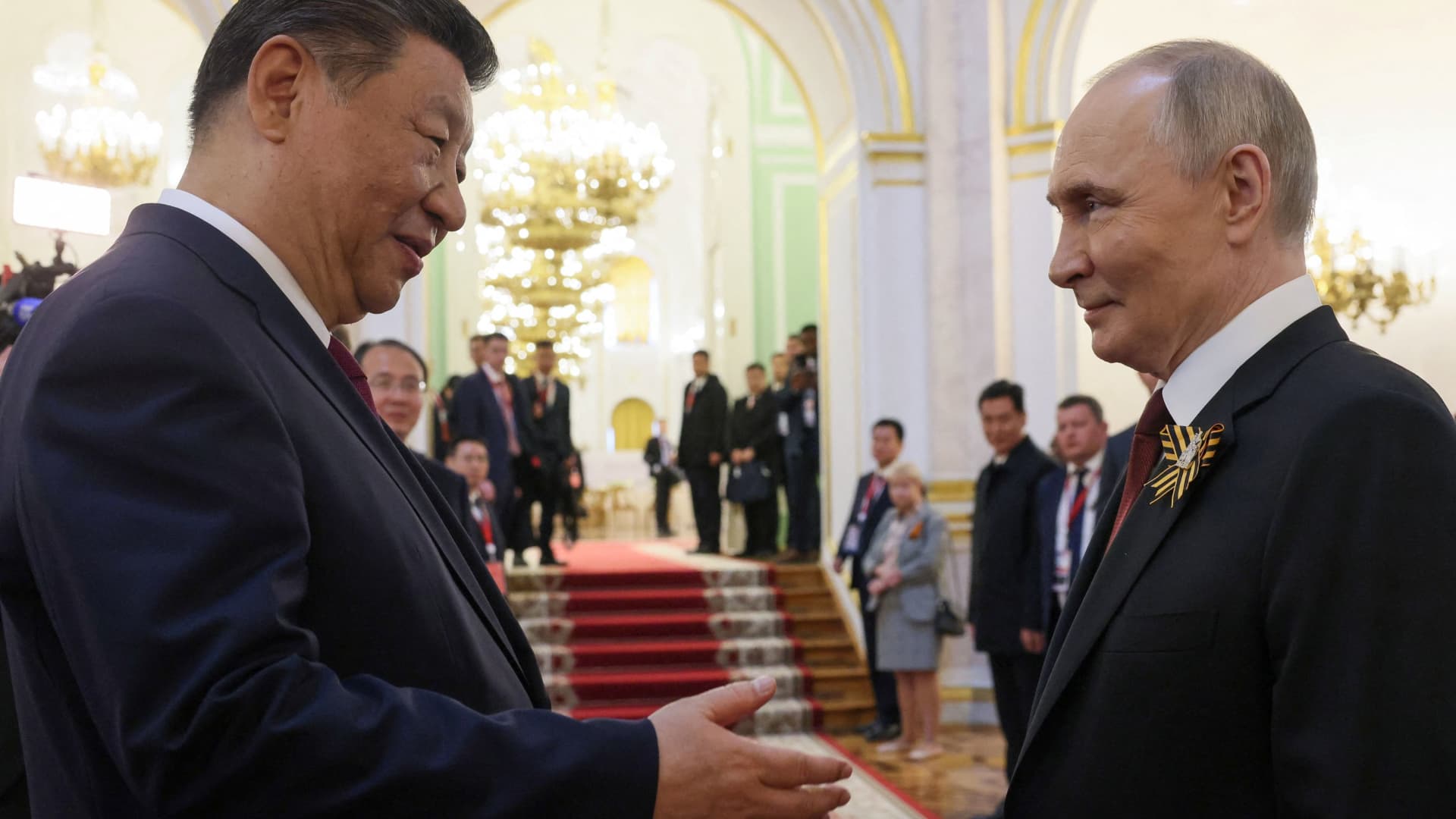
Russia Pledges Energy Security to China Amid Middle East Instability
Russia has formally signaled its readiness to increase energy exports to China, positioning itself as a reliable supplier for nations facing potential shortages due to the ongoing geopolitical volatility in the Middle East. As global energy markets react to military tensions involving Iran, Moscow is looking to solidify its role as a primary energy partner for Beijing, ensuring that both nations can maintain economic stability despite global supply chain disruptions.
During high-level diplomatic meetings in Beijing, Russian officials emphasized the country’s capacity to fill resource gaps created by regional conflicts. The discussions highlighted a strategic alignment between the two nations, aimed at mitigating the economic impact of fluctuating oil and gas prices. By deepening their energy cooperation, both countries seek to insulate their domestic markets from the volatility currently affecting international trade routes, particularly those passing through the Strait of Hormuz.
The partnership between Moscow and Beijing remains focused on long-term energy security, with both governments expressing concern over the destabilizing effects of current military actions in the Middle East. While Russia has seen a rise in export revenues from increased trade with China and India, the broader economic pressure on global supply chains remains a significant concern. Both nations are now prioritizing the development of robust, independent energy corridors to ensure that their industrial and economic growth remains insulated from external geopolitical shocks.
Key Takeaways
- Russia is actively positioning itself to replace energy supply gaps for China caused by Middle East instability.
- The strategic partnership between Moscow and Beijing is being leveraged to create a more resilient, independent energy supply chain.
- Both nations are concerned about the economic impact of regional conflicts on maritime trade routes and global oil price volatility.
Editor’s Analysis & Impact
The deepening energy alliance between Russia and China represents a significant shift in the global geopolitical landscape. By aligning their energy policies, these two nations are effectively creating a counter-bloc to Western-dominated supply chains, which are currently vulnerable to Middle Eastern instability. For the energy market, this suggests a long-term trend toward bifurcated trade routes, where Asian demand is increasingly met by Eurasian land-based pipelines rather than maritime shipments through contested waters. While this provides short-term economic security for both Russia and China, it also signals a permanent move away from globalized energy dependency. Future implications include a potential decline in the influence of traditional maritime chokepoints and a sustained reliance on bilateral agreements that bypass conventional international market mechanisms, ultimately reshaping global energy pricing structures.
Frequently Asked Questions
Q: Why is Russia increasing energy supplies to China?
A: Russia is aiming to provide energy security to China to mitigate the impact of global supply chain disruptions and price volatility caused by ongoing conflicts in the Middle East.
Q: How does the Middle East conflict affect China's energy imports?
A: China relies heavily on maritime routes through the Strait of Hormuz for oil imports. Military actions in the region have led to supply chain challenges and a recent dip in import volumes, prompting China to seek more stable, land-based energy partnerships.
AI Disclosure: This article is based on verified data and official reports. Our Team and AI have cross-referenced every financial detail with primary sources to ensure total accuracy.
More from this Category