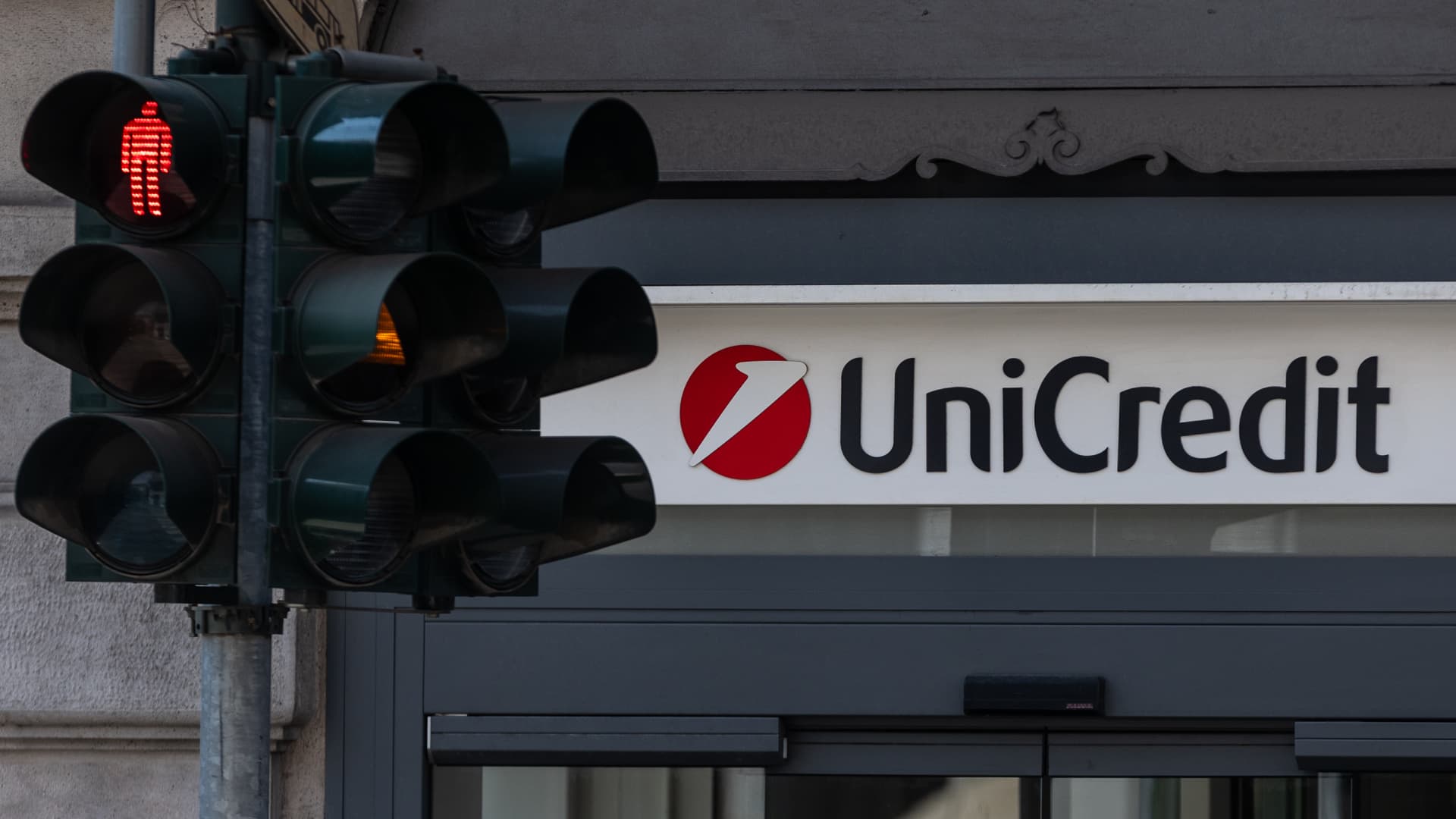
UniCredit Pushes Aggressive Strategy to Absorb Commerzbank
UniCredit has unveiled a strategic roadmap aimed at integrating Commerzbank into its operations, marking a significant move toward establishing a unified pan-European banking powerhouse. CEO Andrea Orcel has framed the proposal as a vital step to modernize the German lender, suggesting that a merger would create a dominant market force capable of delivering substantial cross-border synergies. Having increased its stake in Commerzbank to over 30%, UniCredit projects that this integration could unlock 1.1 billion euros in additional value by 2030.
The proposed initiative, dubbed ‘Unlocked,’ focuses on mitigating what UniCredit identifies as structural weaknesses within Commerzbank. According to the proposal, the German bank’s current independent trajectory leaves it vulnerable to macroeconomic instability and risks lagging behind in critical areas such as digital transformation and artificial intelligence. UniCredit’s plan involves refocusing Commerzbank on its core German and Polish markets, with the goal of significantly boosting net revenue by 2028. Should a full acquisition proceed, UniCredit intends to operate the bank as a separate entity for 18 months before eventually folding it into its existing German subsidiary, HypoVereinsbank.
However, the takeover bid faces stiff opposition from Commerzbank’s leadership. Executives at the German bank have repeatedly rejected the overtures, arguing that UniCredit has not provided sufficient evidence that a merger would outperform Commerzbank’s current standalone growth strategy. As UniCredit continues to advocate for the necessity of this consolidation to strengthen the European banking sector, the standoff highlights a deepening divide between the two institutions regarding the future of German retail and corporate banking.
Key Takeaways
- UniCredit has increased its stake in Commerzbank to over 30% as part of a push for a full merger.
- The 'Unlocked' initiative aims to modernize Commerzbank's digital infrastructure and focus on core German and Polish markets.
- Commerzbank leadership continues to resist the takeover, citing a preference for their existing independent growth strategy.
Editor’s Analysis & Impact
The attempted acquisition of Commerzbank by UniCredit represents a pivotal moment for European banking consolidation. If successful, the merger would create one of the largest financial institutions in the Eurozone, potentially setting a precedent for more cross-border banking deals within the EU. However, the resistance from Commerzbank reflects deep-seated concerns regarding national sovereignty over financial institutions and the cultural challenges of integrating two distinct corporate entities. From a market perspective, this standoff creates uncertainty for shareholders, as the outcome will dictate whether the German banking sector remains fragmented or moves toward a more centralized, pan-European model. The long-term success of such a merger would depend heavily on UniCredit’s ability to navigate regulatory hurdles and prove that its ‘Unlocked’ strategy can deliver superior returns compared to Commerzbank’s current independent path.
Frequently Asked Questions
Q: What is the primary goal of UniCredit's 'Unlocked' initiative?
A: The initiative aims to integrate Commerzbank into UniCredit's operations to create a dominant pan-European bank, focusing on digital modernization and increased revenue through market consolidation.
Q: Why is Commerzbank resisting the takeover?
A: Commerzbank leadership argues that UniCredit has failed to demonstrate that a merger would provide more value to shareholders than the bank's current independent growth strategy.
AI Disclosure: This article is based on verified data and official reports. Our Team and AI have cross-referenced every financial detail with primary sources to ensure total accuracy.
More from this Category