OpenAI CEO Challenges Competitors Over ‘Fear-Based’ AI Safety Narratives
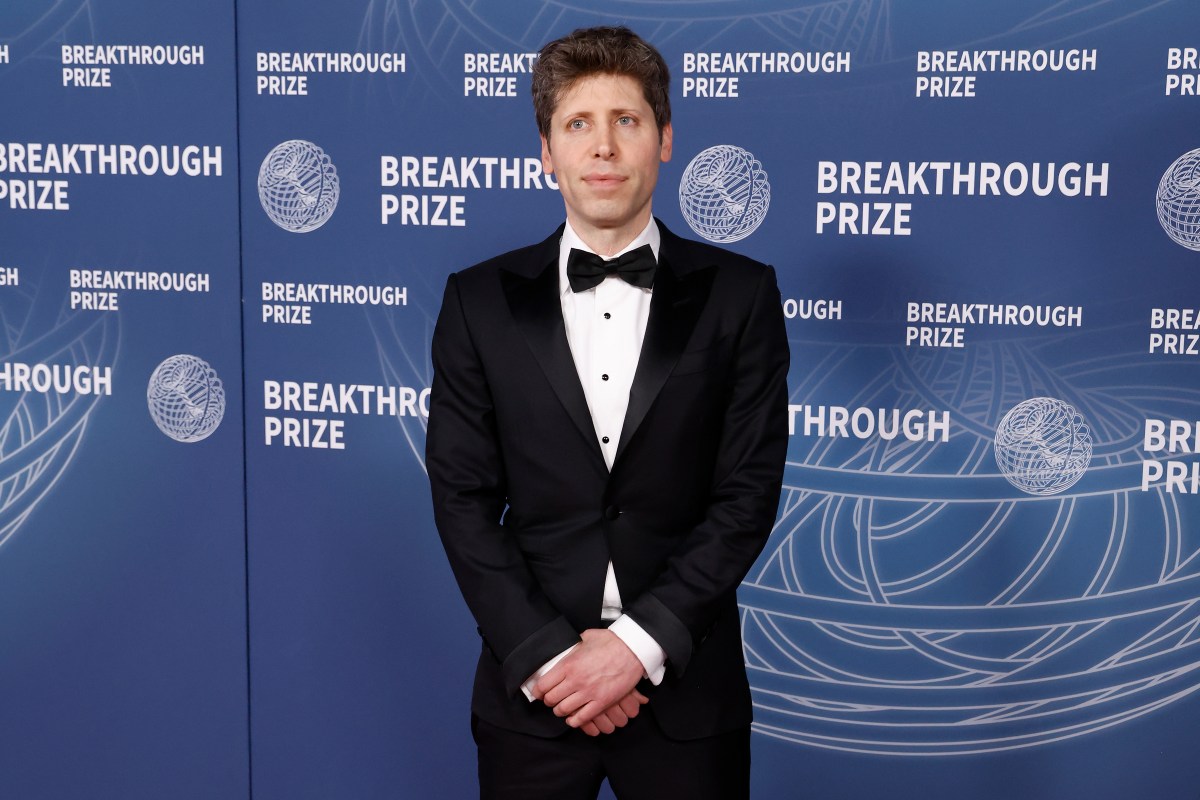
OpenAI CEO Sam Altman has publicly challenged the strategic messaging employed by Anthropic regarding its latest cybersecurity initiative, known as Mythos. The tool, which is currently restricted to a select group of enterprise clients, has been marketed by Anthropic as a highly sensitive technology that requires a cautious, limited rollout to prevent potential weaponization by malicious actors.
Altman has pushed back against this narrative, characterizing the approach as a form of ‘fear-based marketing.’ He contends that by framing advanced artificial intelligence as inherently dangerous, companies can effectively consolidate power and maintain an exclusive grip on the market. According to Altman, such rhetoric often serves to inflate the perceived value of a product by manufacturing a sense of urgency around potential security crises.
This public critique highlights a growing divide within the artificial intelligence sector regarding the intersection of safety protocols and competitive strategy. While the industry is actively grappling with the genuine risks posed by rapidly evolving models, Altman’s comments suggest that some organizations may be leveraging existential risk narratives to influence both public perception and the trajectory of future regulatory oversight. The tension underscores the increasing difficulty of distinguishing between authentic safety precautions and strategic positioning in an increasingly high-stakes market.
Key Takeaways
- Sam Altman has accused Anthropic of using 'fear-based marketing' to promote its restricted cybersecurity tool, Mythos.
- Anthropic justifies the limited release of Mythos by citing potential weaponization risks, a claim Altman views as a strategy for market exclusivity.
- The disagreement reflects a broader industry conflict over whether safety warnings are genuine precautions or calculated tools for competitive advantage.
Editor’s Analysis & Impact
The public disagreement between OpenAI and Anthropic highlights a critical inflection point in the AI industry: the potential weaponization of safety narratives. As AI capabilities advance, the ‘safety’ label has become a potent marketing tool that can either build trust or create artificial barriers to entry. By framing their technology as too dangerous for the general public, firms can signal technical superiority while simultaneously lobbying for regulatory frameworks that favor established players. This trend suggests that future competition in the AI space will not just be fought on technical performance, but on the ability to control the discourse surrounding existential risk. Investors and regulators should remain wary of how these narratives are used to shape market dynamics, as the line between responsible development and strategic gatekeeping continues to blur.
Frequently Asked Questions
Q: What is Mythos?
A: Mythos is a cybersecurity tool developed by Anthropic that is currently restricted to a limited group of enterprise clients due to the company's stated concerns regarding its potential for misuse.
Q: Why does Sam Altman believe Anthropic is using 'fear-based marketing'?
A: Altman argues that Anthropic is using hyperbolic warnings about the dangers of their technology to create an exclusive image and consolidate power, rather than acting out of a genuine, unique safety necessity.
AI Disclosure: This article is based on verified data and official reports. Our Team and AI have cross-referenced every financial detail with primary sources to ensure total accuracy.
More from this Category