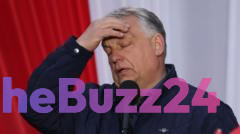
Viktor Orbán Steps Down from Parliament Following Landmark Election Loss
In a major political shift for Hungary, Viktor Orbán has announced he will not take his seat in the national parliament following a decisive electoral defeat that brings his 16-year leadership to an end. The 62-year-old politician confirmed in a video statement that he intends to step back from legislative responsibilities to concentrate on restructuring his nationalist movement. Although his party, Fidesz, managed to secure 52 seats, Orbán has formally returned the mandate he was granted through the party’s proportional representation list.
The election saw a historic landslide victory for the Tisza party, spearheaded by former Fidesz insider Péter Magyar. The party successfully captured a two-thirds majority in the 199-seat parliament, signaling a profound transformation for the nation. The incoming administration has committed to a sweeping overhaul of domestic policy, with a primary focus on tackling systemic corruption and restoring the independence of the judiciary. Furthermore, Magyar has indicated a strategic pivot in foreign policy, aiming to repair and strengthen ties with both the European Union and Ukraine.
As the country prepares for a transition of power, Gulyás Gergely, the former minister overseeing the prime minister’s office, has been tapped to lead the Fidesz parliamentary bloc. While Orbán has vacated his legislative seat, he maintains his role as the leader of Fidesz for the immediate future. His long-term political future is expected to be finalized during a party conference slated for June. The new parliament is scheduled to hold its inaugural session on May 9, officially ushering in a new era for Hungarian governance.
Key Takeaways
- Viktor Orbán has declined his parliamentary seat following a significant electoral defeat that ends his 16-year tenure.
- The Tisza party, led by Péter Magyar, secured a two-thirds majority in the 199-seat parliament.
- The new government plans to prioritize judicial independence, anti-corruption measures, and improved relations with the EU and Ukraine.
Editor’s Analysis & Impact
The departure of Viktor Orbán from the legislative body marks a watershed moment for Central European politics. After 16 years of nationalist governance, Hungary is poised for a significant realignment, both domestically and internationally. The rise of the Tisza party suggests a public mandate for institutional reform and a return to closer alignment with European Union standards. For the broader region, this transition could signal a cooling of populist tensions and a potential shift in the geopolitical stance toward the ongoing conflict in Ukraine. The primary challenge for the incoming administration will be navigating the deep-seated structural changes required to restore judicial independence while managing the internal reorganization of a displaced Fidesz party. Investors and international observers will be closely watching the June Fidesz conference to see if the party pivots toward a more moderate opposition or doubles down on its previous ideological stance.
Frequently Asked Questions
Q: Who won the recent Hungarian election?
A: The Tisza party, led by Péter Magyar, won a two-thirds majority in the 199-seat parliament.
Q: Is Viktor Orbán still the leader of Fidesz?
A: Yes, while he has stepped down from his parliamentary seat, he remains the leader of the Fidesz party for the time being, with his future role to be decided at a conference in June.
AI Disclosure: This article is based on verified data and official reports. Our Team and AI have cross-referenced every financial detail with primary sources to ensure total accuracy.
More from this Category